Penetrating Damp
Penetrating damp is the term for moisture that enters a building from the roof or external walls; it might be a few missing roof tiles, cracks in the masonry or through timber frames and this leads to considerable damage if not addressed. There are many ways that damp can enter a building and early detection is paramount if you want to avoid costly repairs.
The most common form of damp found in London homes, penetrating damp leads to serious damage and costly repairs, plus the origins of the damp must be sourced and damp-proofed prior to repairing any damage. Regular roof inspections are important to ensure that your roof is not compromised in any way and a thorough inspection of the loft is recommended to check for signs of leaks, especially water pipes. Defective mortar is another way that damp can penetrate external walls and damaged seals around window and door frames can also lead to internal plaster damage and timber rot.
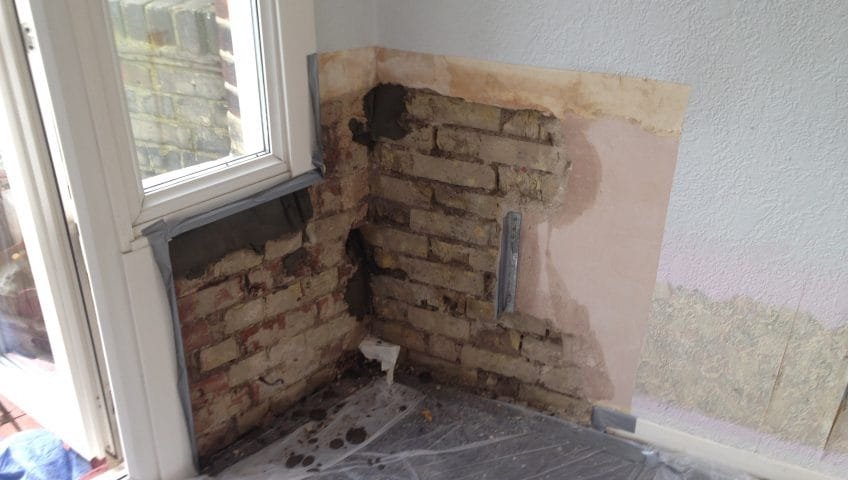
Inspecting Your Home for Signs of Penetrating Damp
A comprehensive inspection looking for signs of penetrating damp should include a thorough inspection of the roof and the loft. Climbing onto a roof is a dangerous activity, which we would not recommend, however, when you book a damp survey with London Damp Specialists, this includes a thorough roof and loft inspection, looking for any signs of damp, mould and timber rot. The exterior walls need to be closely inspected, looking for crumbling mortar and moss growth on masonry, while all door and window frames are points where moisture can enter a building. Many London homeowners make a point of having their home inspected for damp on an annual basis, as you never know when moisture will attack your property.
Tell-Tale Signs of Penetrating Damp
The tell-tale signs of penetrating damp include damp plaster, peeling wallpaper and flaking paint, while this is often accompanied by a damp and musky smell in the house. Condensation is another sign that damp is present and should you notice droplets of water on walls or windows, check to see if you have airflow, which can reduce or eliminate excessive moisture. It makes sense to be vigilant when it comes to penetrating damp and with regular inspections, you get an early warning should damp or mould be present.
Damage That Penetrating Damp Can Cause
Penetrating damp can cause the following:
- Mould growth – Black mould is a serious health hazard that can be fatal with prolonged exposure.
- Damaged paint and plaster – Plaster crumbles when moisture is present and paint bubbles.
- Timber rot – Wet and dry rot is the result of excessive moisture.
- Structural integrity compromised – Damp causes wood to lose its tensile strength.
- Damp patches on walls and ceilings – We offer plaster lab analysis for up to 10 samples.
If you suspect penetrating damp is present in your home, it is imperative that you book a professional independent damp survey from London Damp Specialists. If your home has damp issues, we will locate the cause and make treatment recommendations.
Methods of Treating Penetrating Damp
There are numerous ways to treat penetrating damp, which include:
- Repairing cracks in masonry
- Repointing mortar and render
- Removal of damaged plaster
- Removal of damaging salts on walls left by damp
- Use of waterproof plaster/render on prepared substrate
- Application of waterproof sand and cement external render
When damp is discovered, it is imperative to carry out damp-proofing as soon as possible, the longer you leave it, the worse the damage will be. We only provide independent damp surveys, but we do have a close working relationship with one of London’s top damp-proofing specialists.
Call London Damp Specialists on 020 8528 3277 and book a professional independent damp survey to find out if your London home has damp, mould or timber rot issues. You will receive a detailed report in your inbox the following day.
We cover all areas of London within the M25 and we can usually carry out a survey within a few days of the survey booking.

Customer Testimonials
Penetrating damp can attack a building from the roof or exterior walls; any leak will lead to moisture penetrating the walls and attacking the interior structure. Tell-tale signs include moss growth on exterior walls, peeling wallpaper, bubbling paint and a damp, musky smell in the house. Other signs include mould growth on interior walls and condensation on windows and walls. If you notice any of these signs, you should contact us on 0207 205 4886 or complete the online survey booking form on this website.
There are numerous signs to look for; moss growth on masonry and brickwork, crumbling mortar and stone discolouration. You should also inspect the mastic lines between timber window and door frames and brickwork, as damp can enter if this material is compromised.
You could ask a local roofer to inspect the roof, or better still, book a damp survey with London Damp Specialists. We will inspect the entire building, including a thorough inspection of the roof, interior and exterior. We use state-of-the-art digital equipment to check the loft for damp and mould issues and you receive a detailed report in your inbox the following day.
The short answer is yes. Terraced houses are connected and if damp gets into one house, there is nothing to stop it from creeping into the house next door. Indeed, this is a common issue with terraced houses in London and when we carry out a damp survey, we often source the moisture to an adjoining property. Of course, you should inform your neighbour and we can do a survey on their property.
Damp plaster can be caused by several things; penetrating damp can come from external walls or a leaking roof, while rising damp is another potential cause of moisture getting into plaster. Peeling paint and wallpaper are tell-tale signs of damp plaster and when we carry out a damp survey, we can lab test up to 10 samples of plaster to measure the moisture content. It is critical to source the origin of the moisture and our surveyors use cutting-edge tools and equipment to assess a property.
There are times when a homeowner prefers to wait until they have sufficient funds before carrying out damp-proofing work, which is not a good idea. Damp can quickly cause considerable damage to a building and waiting for a few weeks can result in more damage caused. We strongly recommend that you undertake damp-proofing work as soon as possible and if finances are an issue, you could take out a short-term loan.
Contact Us
If you have some questions, please complete this form:
Book and Pay for a survey
If you are ready to book a survey and pay, please complete this form: