An independent Level 3 damp survey was commissioned for a ground floor flat in Wimbledon (SW19). The property owner arranged the comprehensive evaluation after identifying persistent wall moisture in the kitchen. Instructing an unbiased diagnostic assessment ensured the owner received an evidence-based report free from contractor commercial bias or aggressive upselling.
About the Issue
The homeowner observed high moisture levels and decorative spoiling along the rear wall of the kitchen, specifically concentrated around the cooker area. Additionally, damp patches were forming at the base of the chimney breast. Fearing that rising damp was spreading through the ground floor or that plumbing leaks from the flat above were responsible, they requested a professional inspection to determine the exact cause.
The Challenge
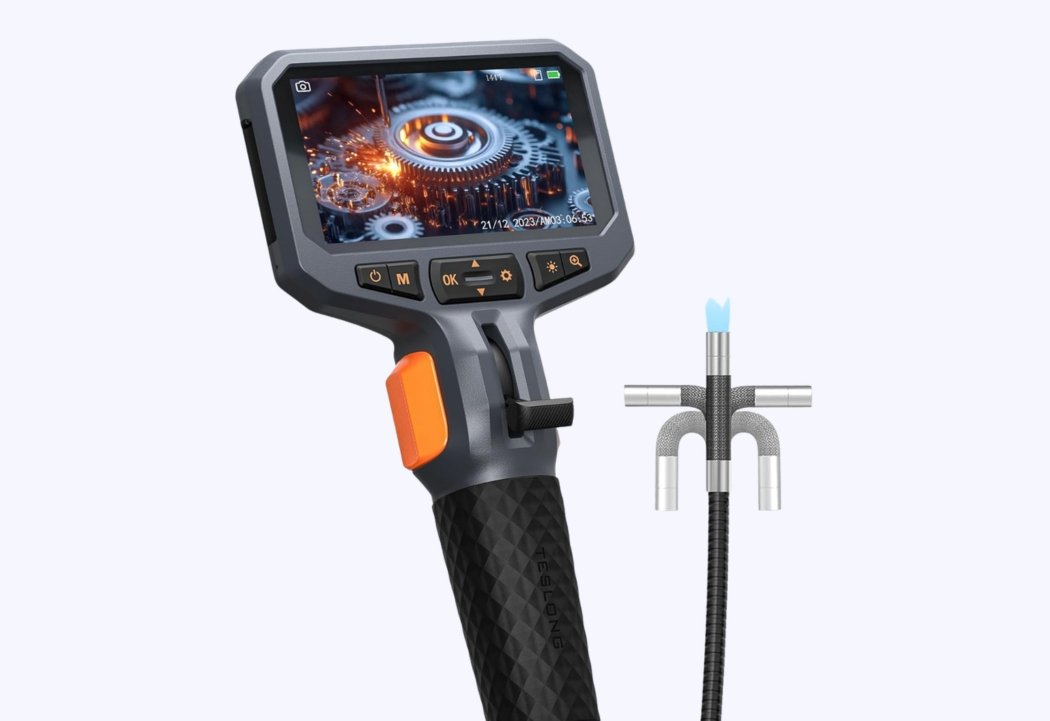
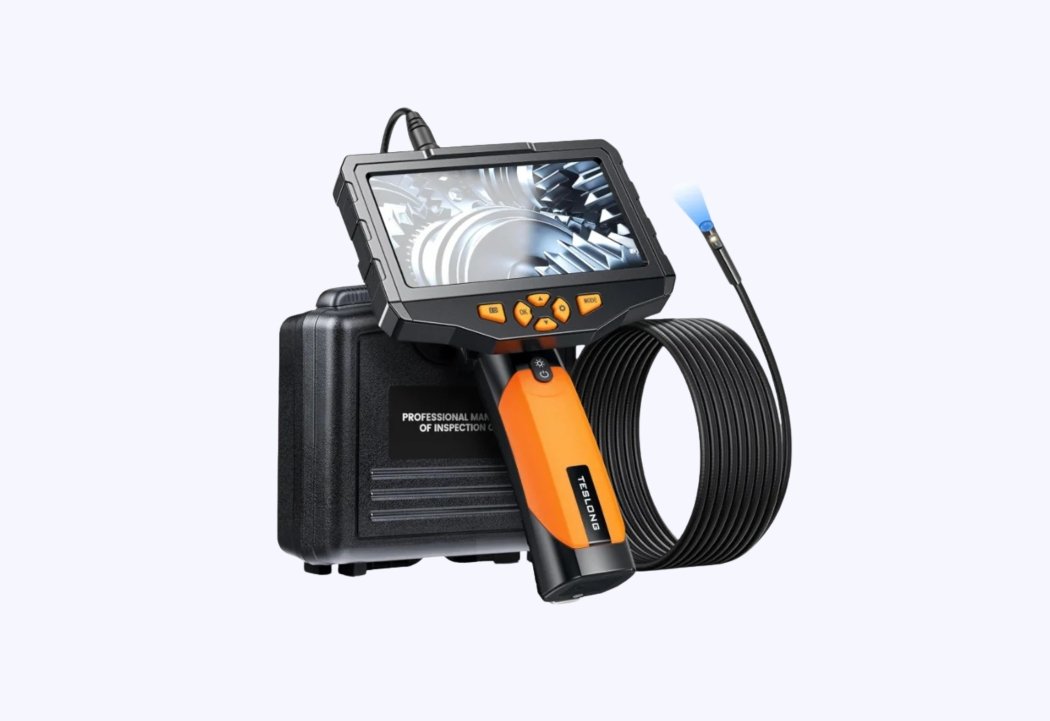
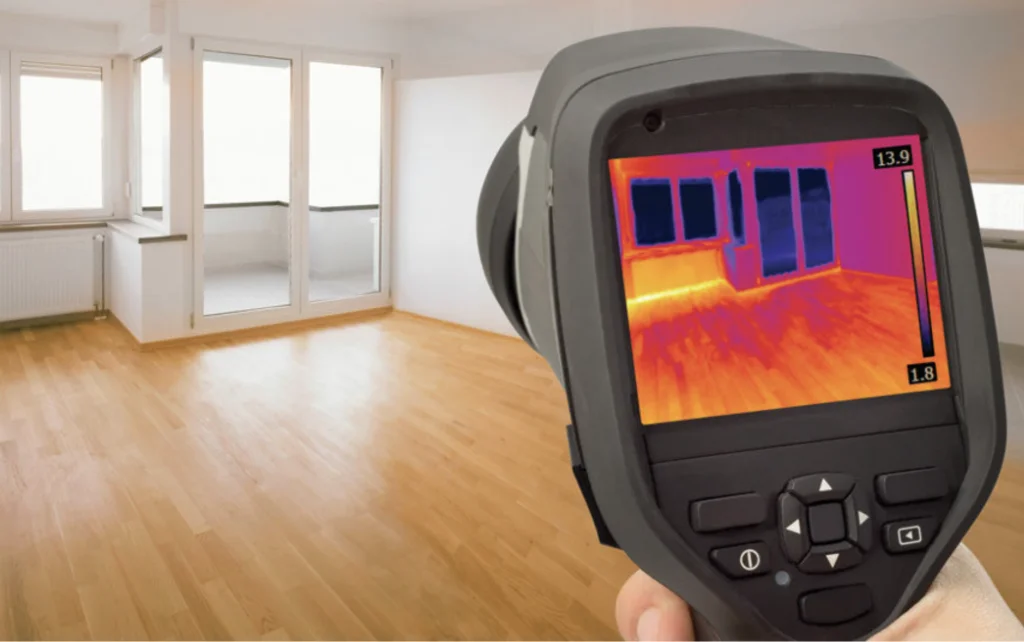
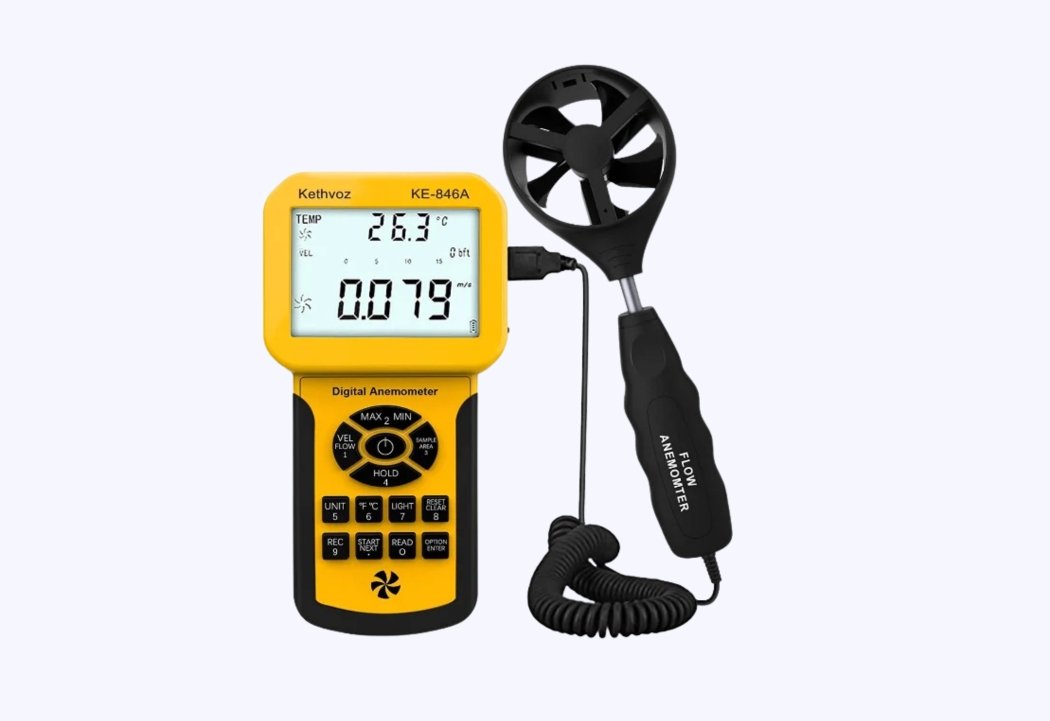
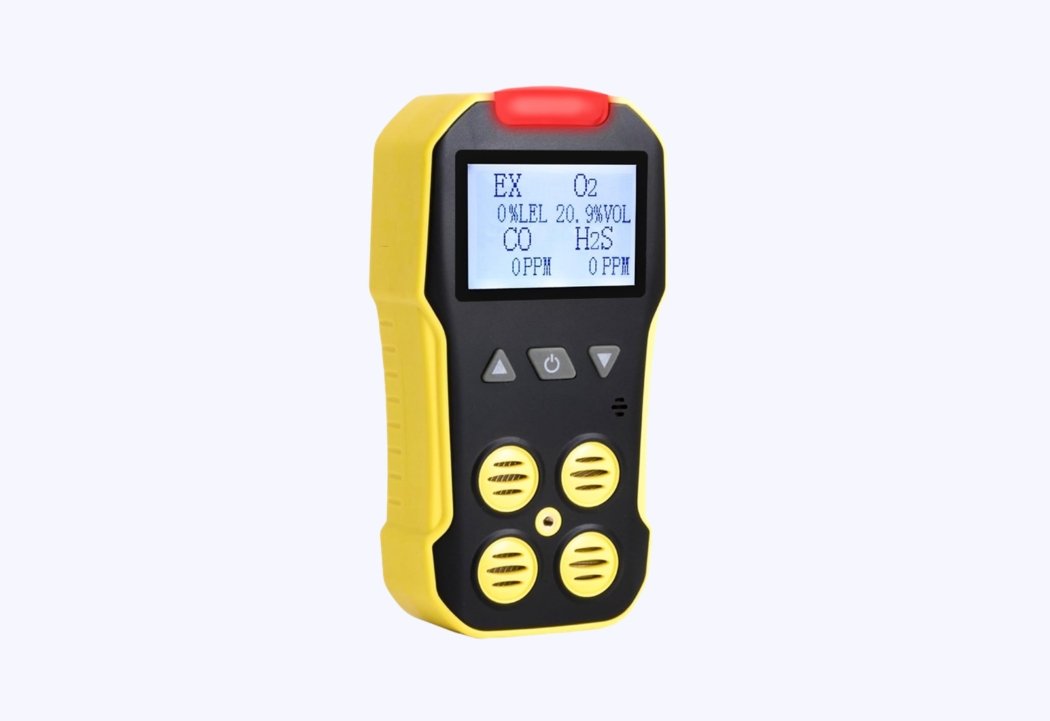
Executing a complete Level 3 damp survey involved inspecting internal living spaces, subfloor zones, plumbing networks, external drainage and roof coverings via an aerial drone. The objective was to map the exact pathway of water ingress affecting the kitchen and chimney structure.
Systematic testing and visual inspection gathered clear factual evidence:
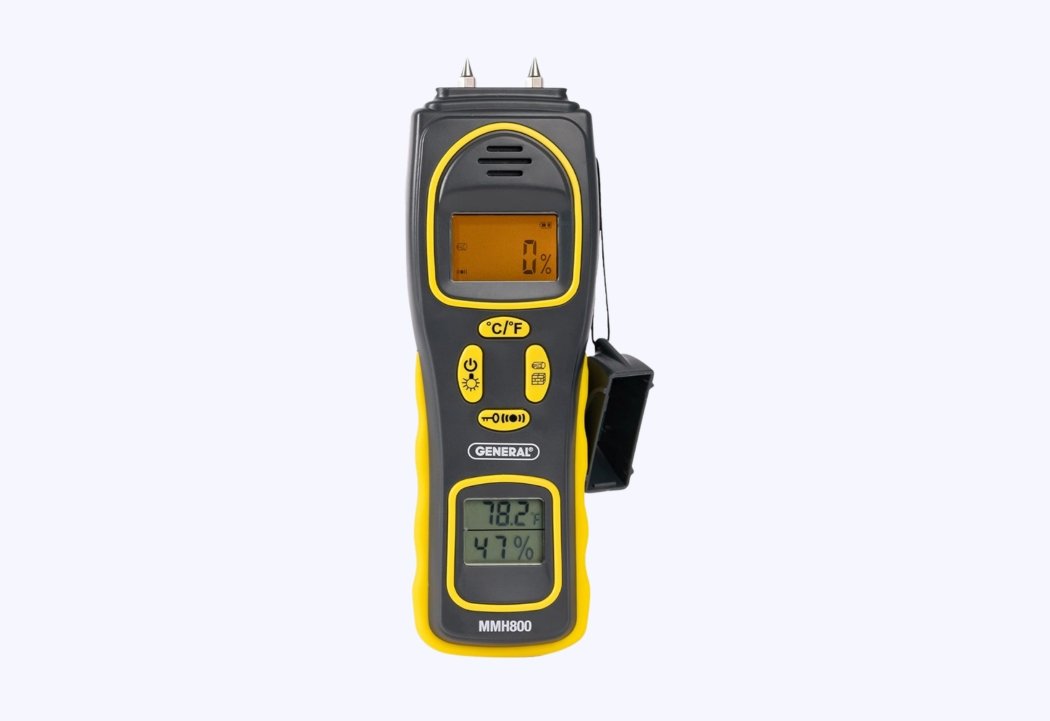
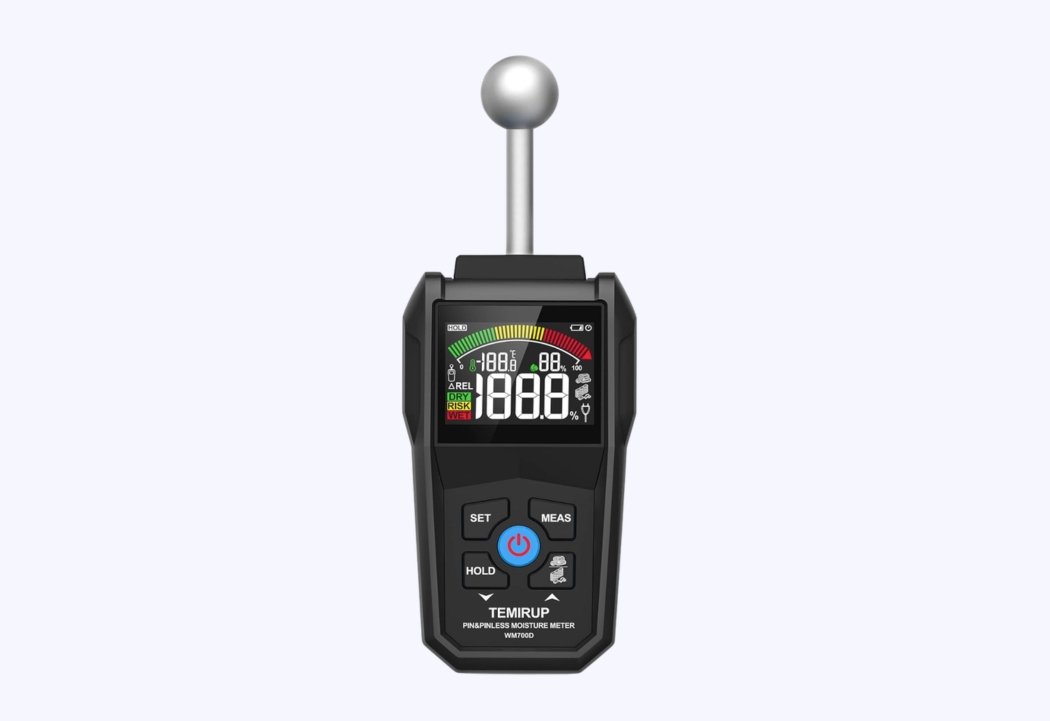
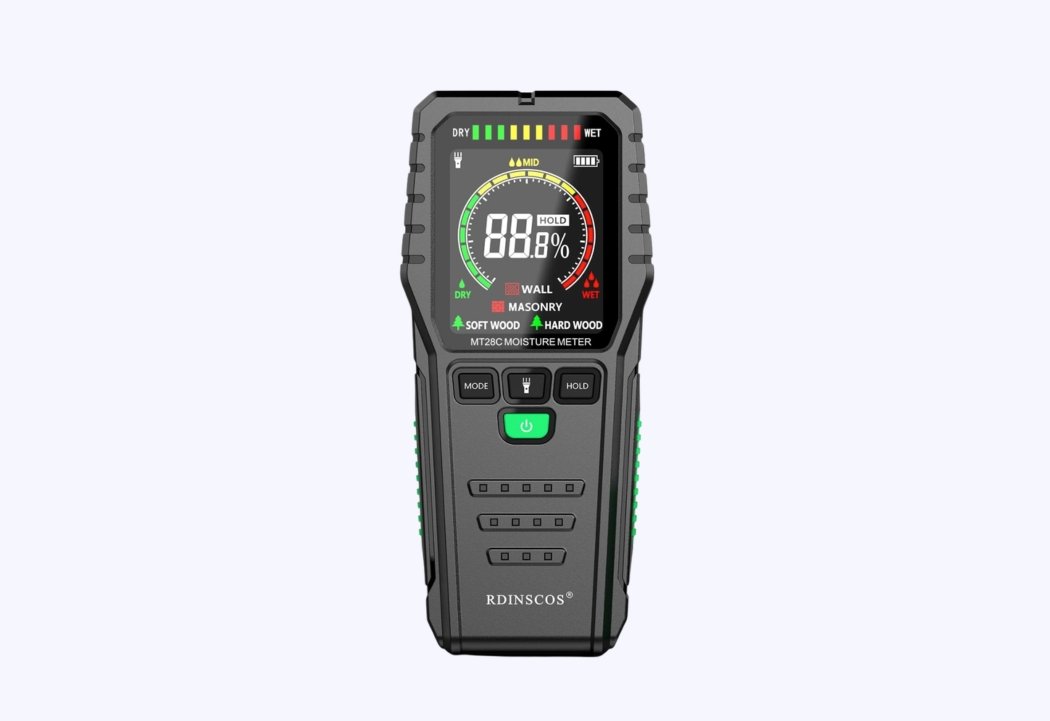
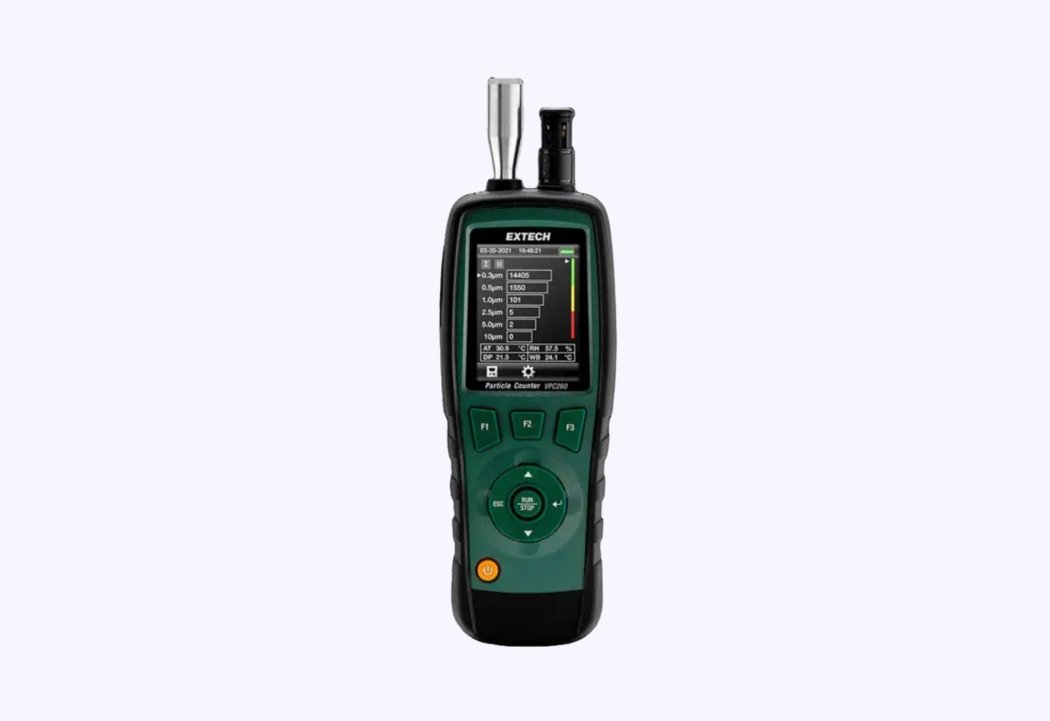
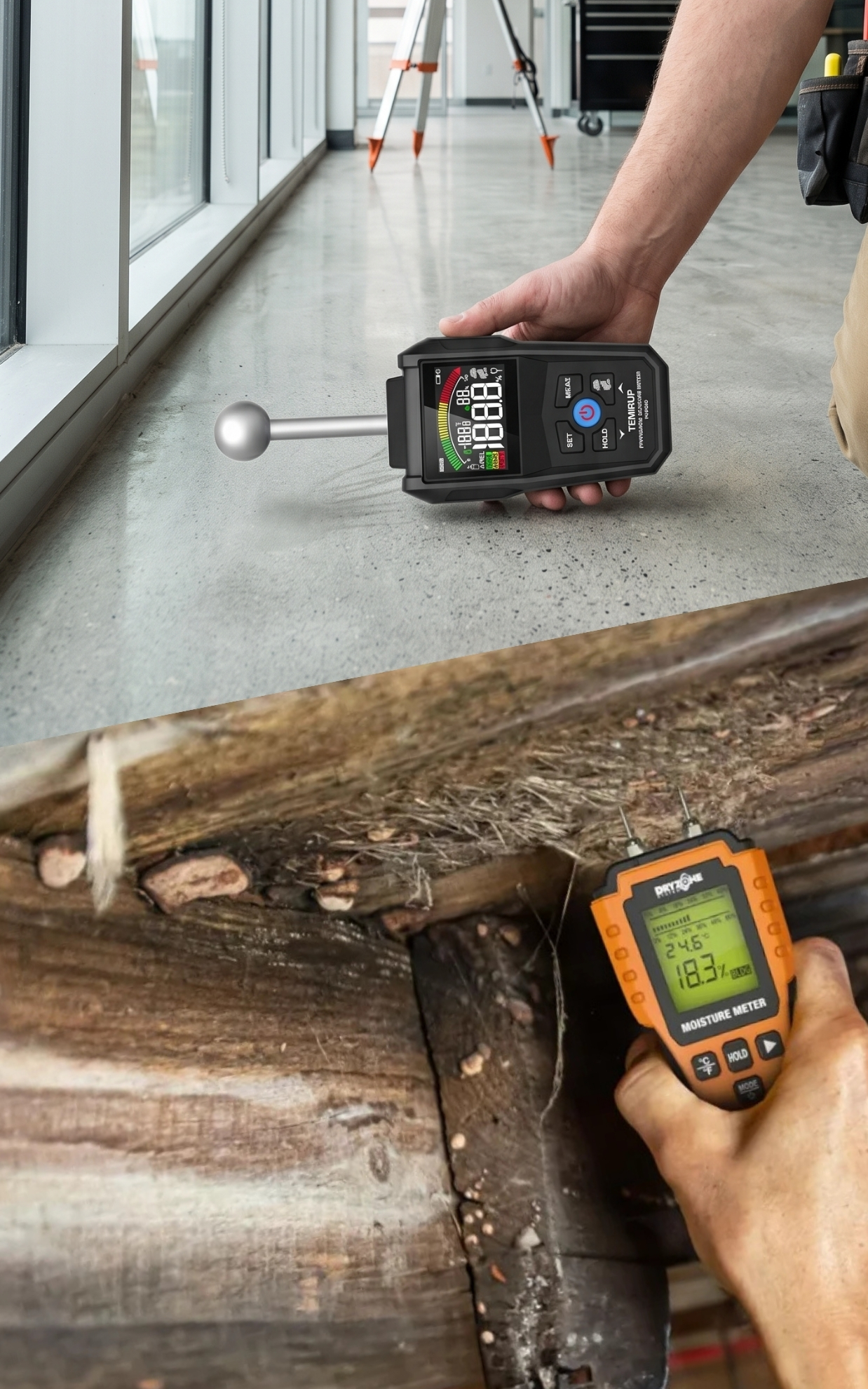
- Electronic moisture meter testing recorded high to very high moisture readings on the rear kitchen wall and elevated readings at low level on the chimney breast.
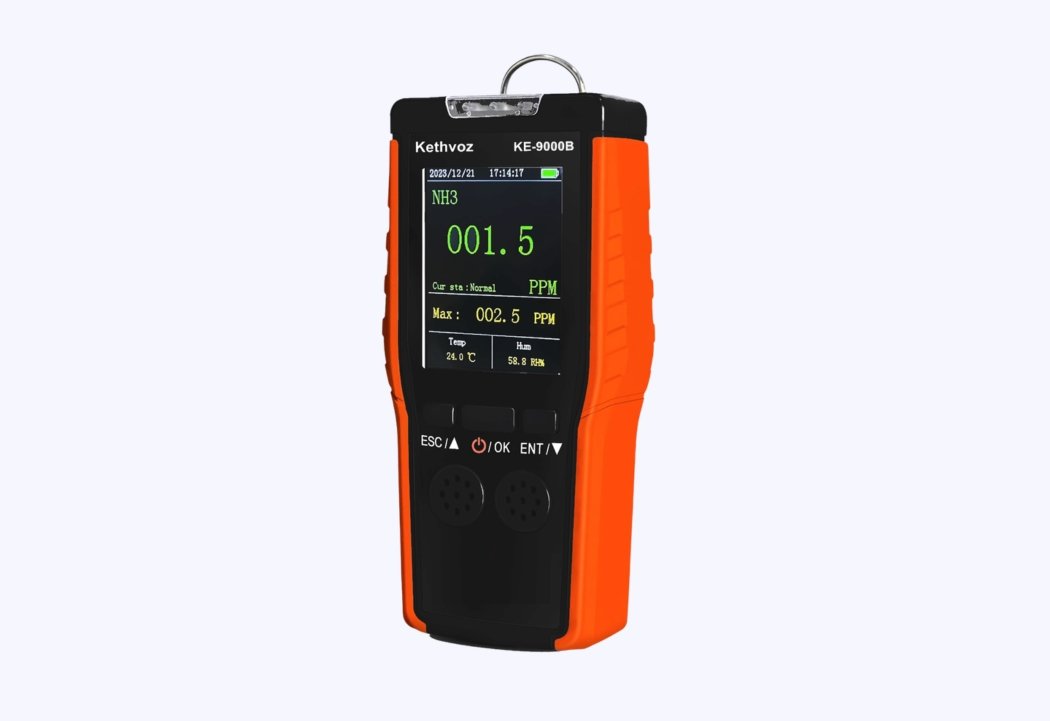
- Hygrometer readings measured internal relative humidity at 52.5%, which sits within acceptable limits and confirmed condensation was not contributing to the damp issues.
- The upstairs kitchen was thoroughly inspected, alongside external pipework and drainage, confirming no plumbing leaks or blockages were present.
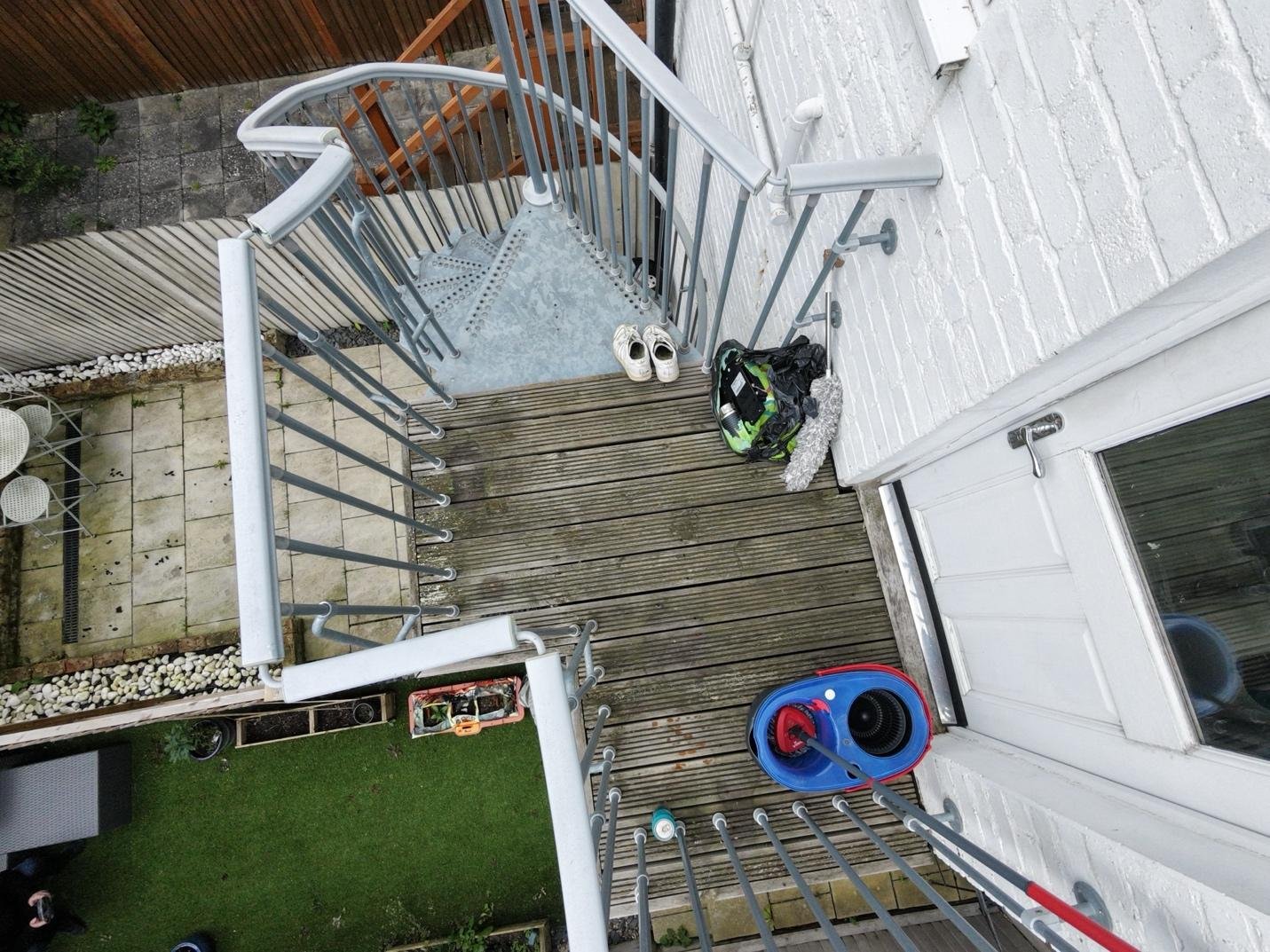
- Inspection of the external staircase servicing the upper flat revealed that prior remedial waterproofing attempts had failed, allowing surface water to penetrate the rear kitchen wall.
- An aerial drone inspection of the roof identified missing or defective chimney caps, permitting rainwater to enter the stack and travel internally down to the base of the chimney breast.
- The overall structural condition, brickwork and pointing were all confirmed to be sound.
The diagnostic reasoning established that both damp locations were suffering from penetrating damp caused entirely by exterior building defects rather than internal humidity, plumbing bursts, or rising damp.
The Solution
To resolve the water ingress and protect the internal finishes, the report outlined a targeted remedial plan quoted at a fixed price of £2,500 + VAT:
- Carefully remove the existing wood decking at the external staircase area.
- Apply a liquid damp proof membrane (DPM) to properly waterproof the staircase surface and prevent further lateral water ingress, before refitting the wood decking.
- Install suitable chimney caps to all chimney pots on the roof to prevent rainwater from entering the chimney stack.
- Install a ventilation grille on the chimney breast at the ground floor level to assist airflow and facilitate internal drying.
- Allow the affected kitchen wall and chimney breast to dry naturally before undertaking any internal redecoration.
The Outcome
The property owner gained complete diagnostic clarity, discovering that their home was structurally sound and free from internal pipe leaks or rising damp. By choosing an independent survey, they avoided paying for unnecessary internal damp proofing injections or wall tanking, resolving the issues through a highly targeted £2,500 external maintenance plan.
Why This Case Matters
Water staining on lower walls and chimney breasts is frequently misdiagnosed as rising damp. Independent diagnostic surveys combine aerial drone imagery with careful external building inspections to identify missing chimney caps and failed exterior surface membranes, protecting homeowners from misdirected and expensive internal construction costs.