An independent Level 3 damp survey was commissioned for a ground floor flat in South Lambeth (SW8). The property owner arranged the inspection after noticing recurring mould growth across external-facing walls and ceiling staining above the rear door. Seeking an objective diagnostic assessment, they instructed a complete health check to identify the exact cause of moisture ingress.
About the Issue
The homeowner observed persistent black mould developing in the bay window area, inside a rear room cupboard and along the exterior bedroom window wall. Fearing that the building’s damp proof course had failed or that rising damp was migrating up from the foundations, they requested a specialist investigation before committing to building work.
The Challenge
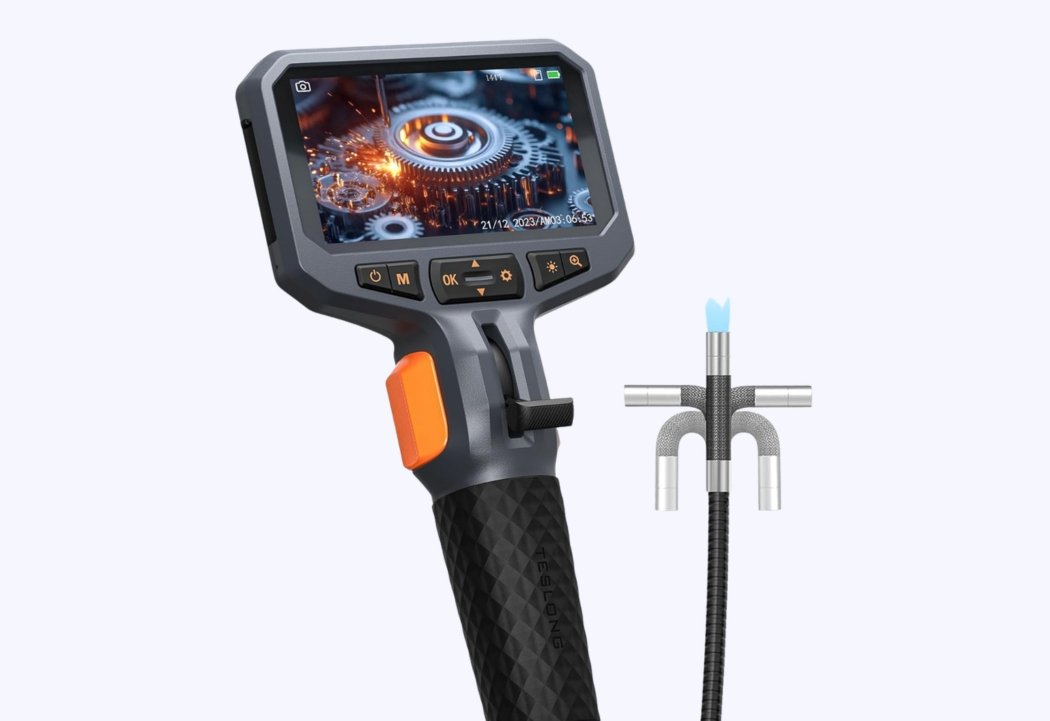
A Level 3 damp survey was carried out to assess all high-risk areas, external masonry, structural timbers and roofline components. The diagnostic process focused on determining whether internal mould resulted from liquid water penetration, DPC breakdown, or atmospheric condensation.
Diagnostic testing provided clear physical evidence across the property:
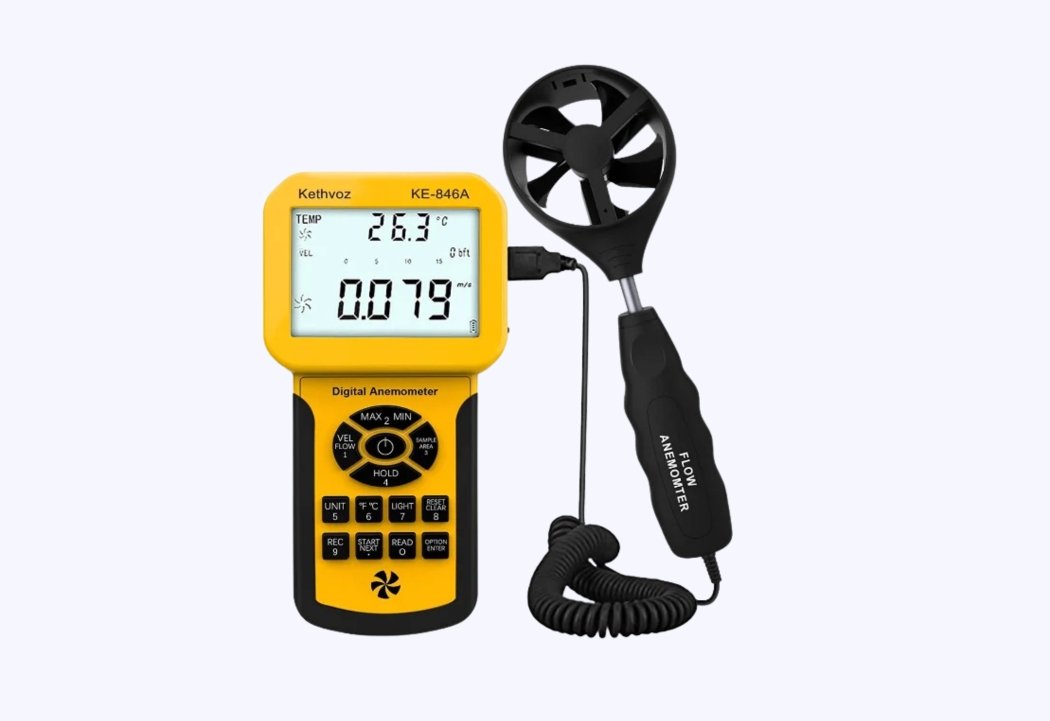
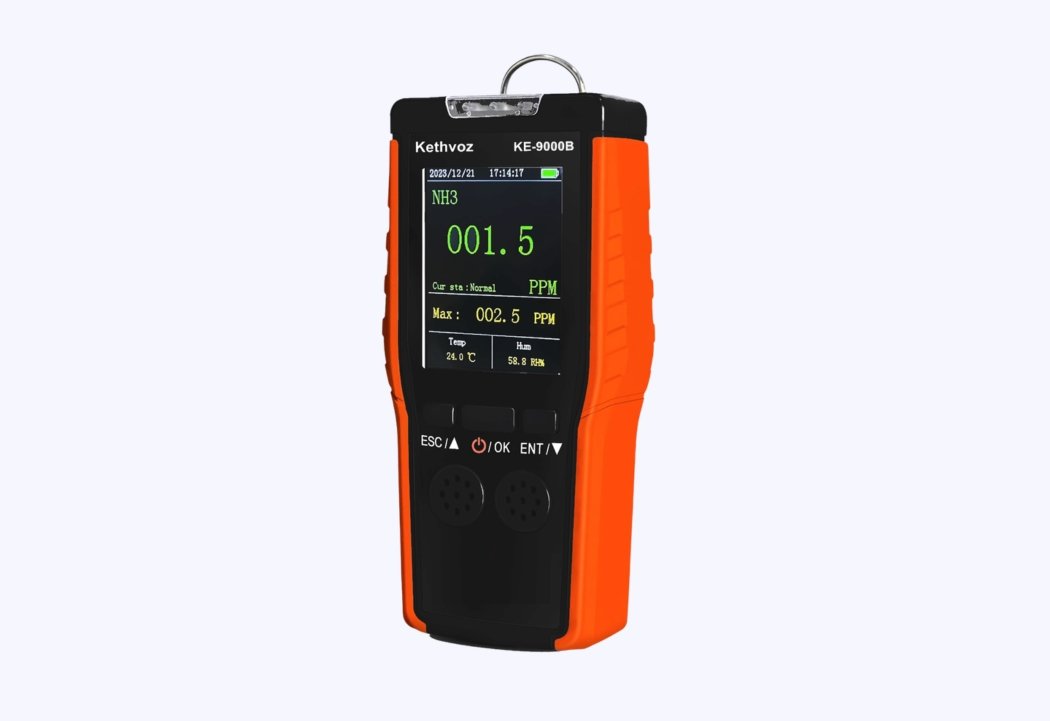
- Hygrometer measurements recorded air humidity at a constant 75%, well above the recommended indoor range of approximately 40–60%.
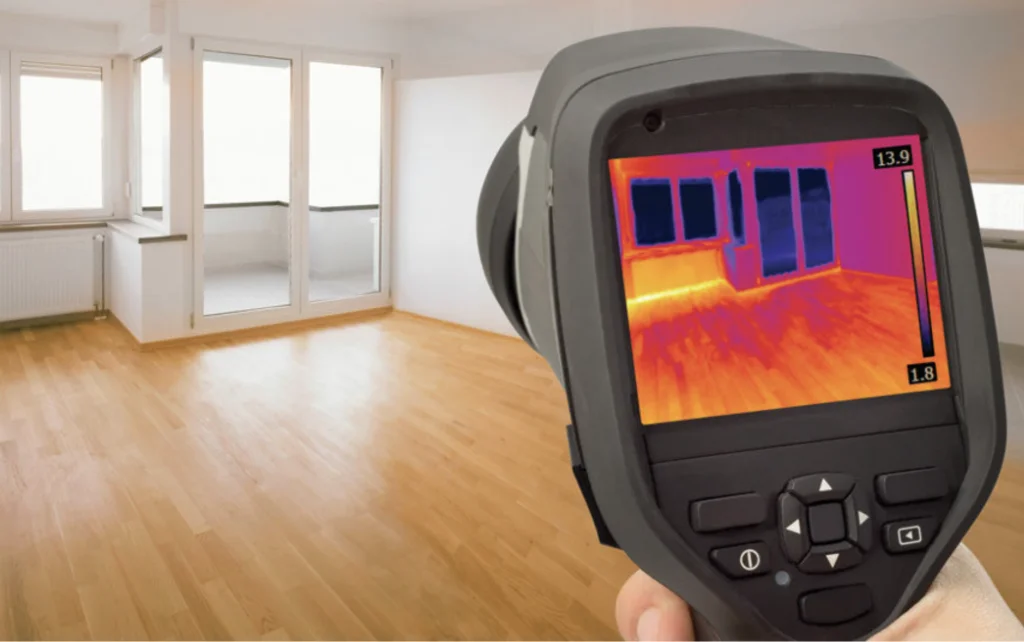
- Infrared thermal imaging identified multiple cold bridges within external wall structures, corresponding directly with internal mould patches.
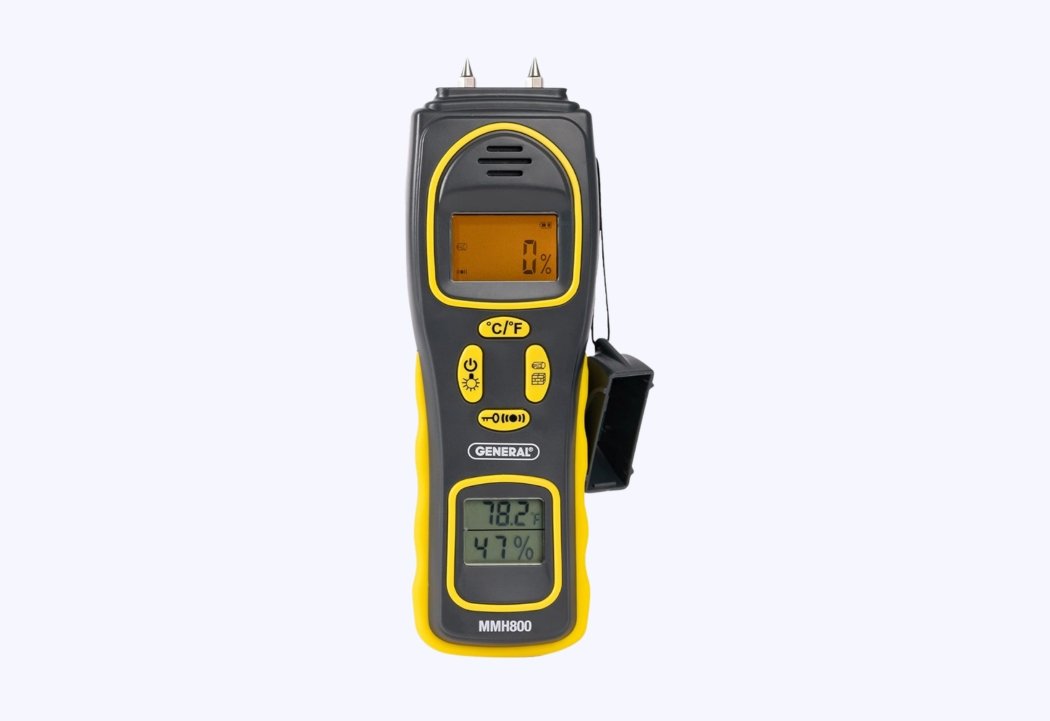
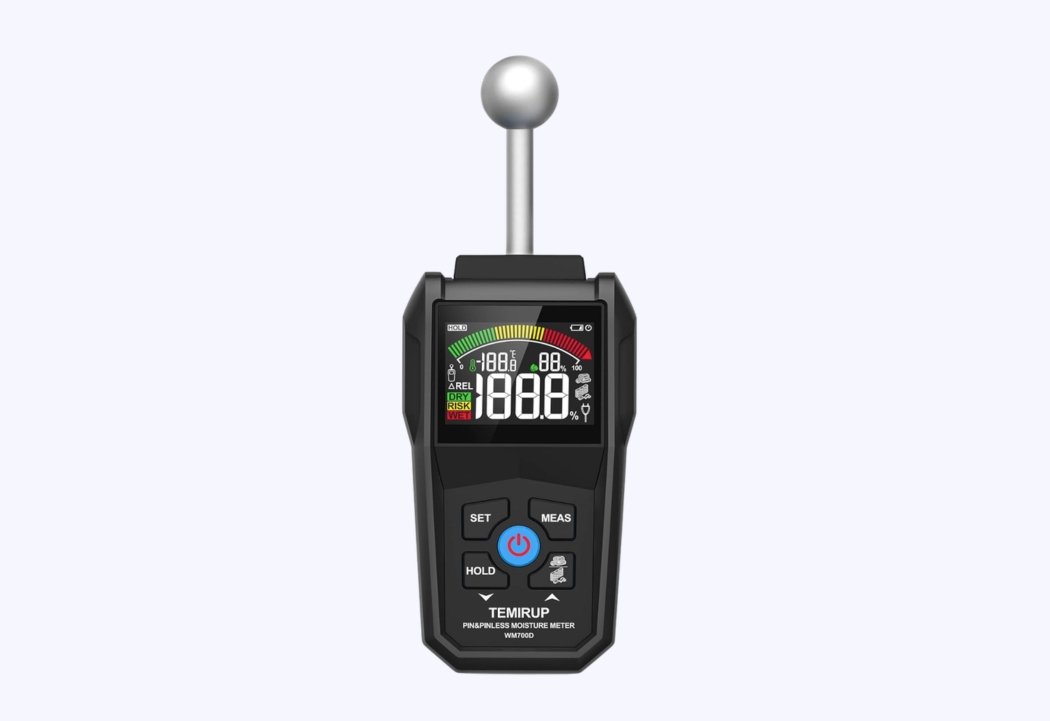
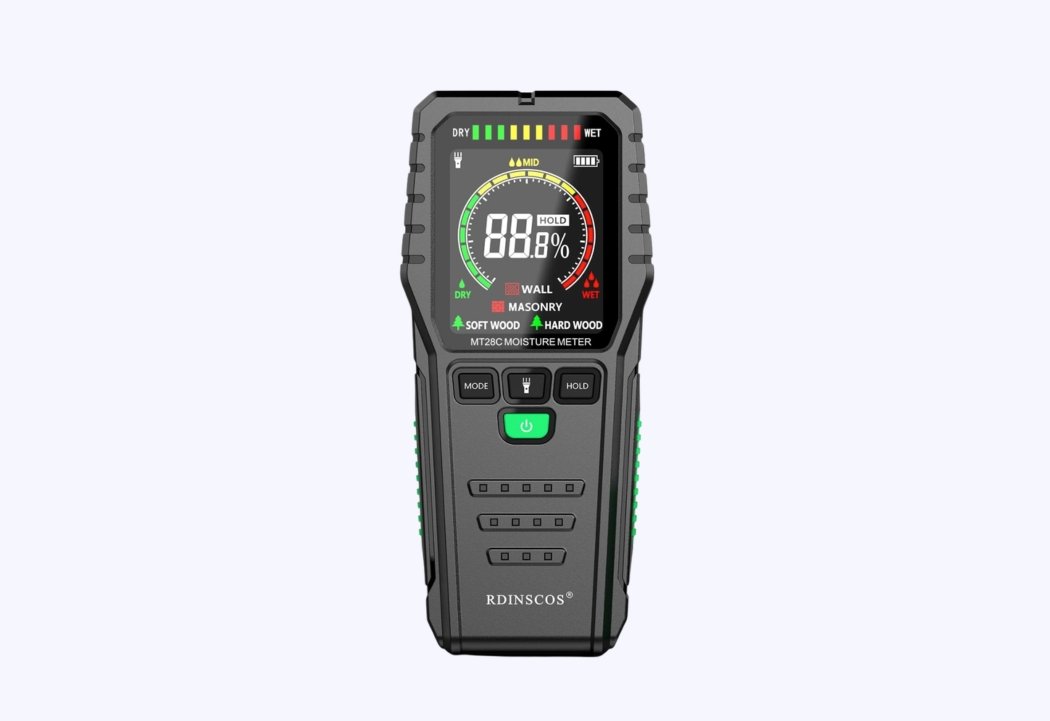
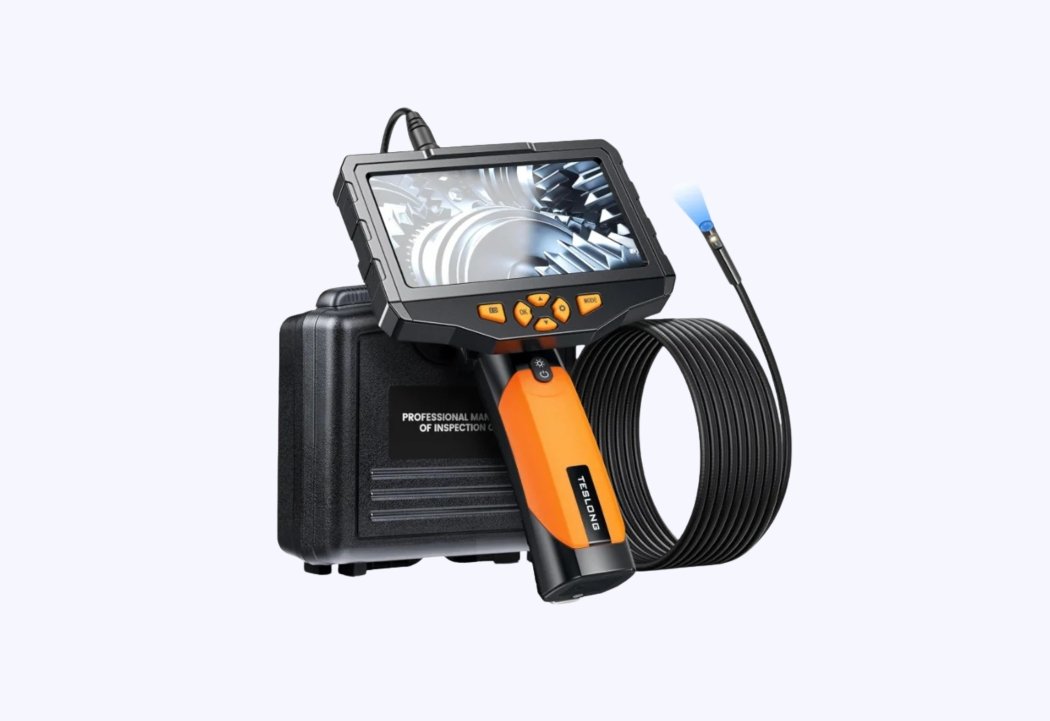
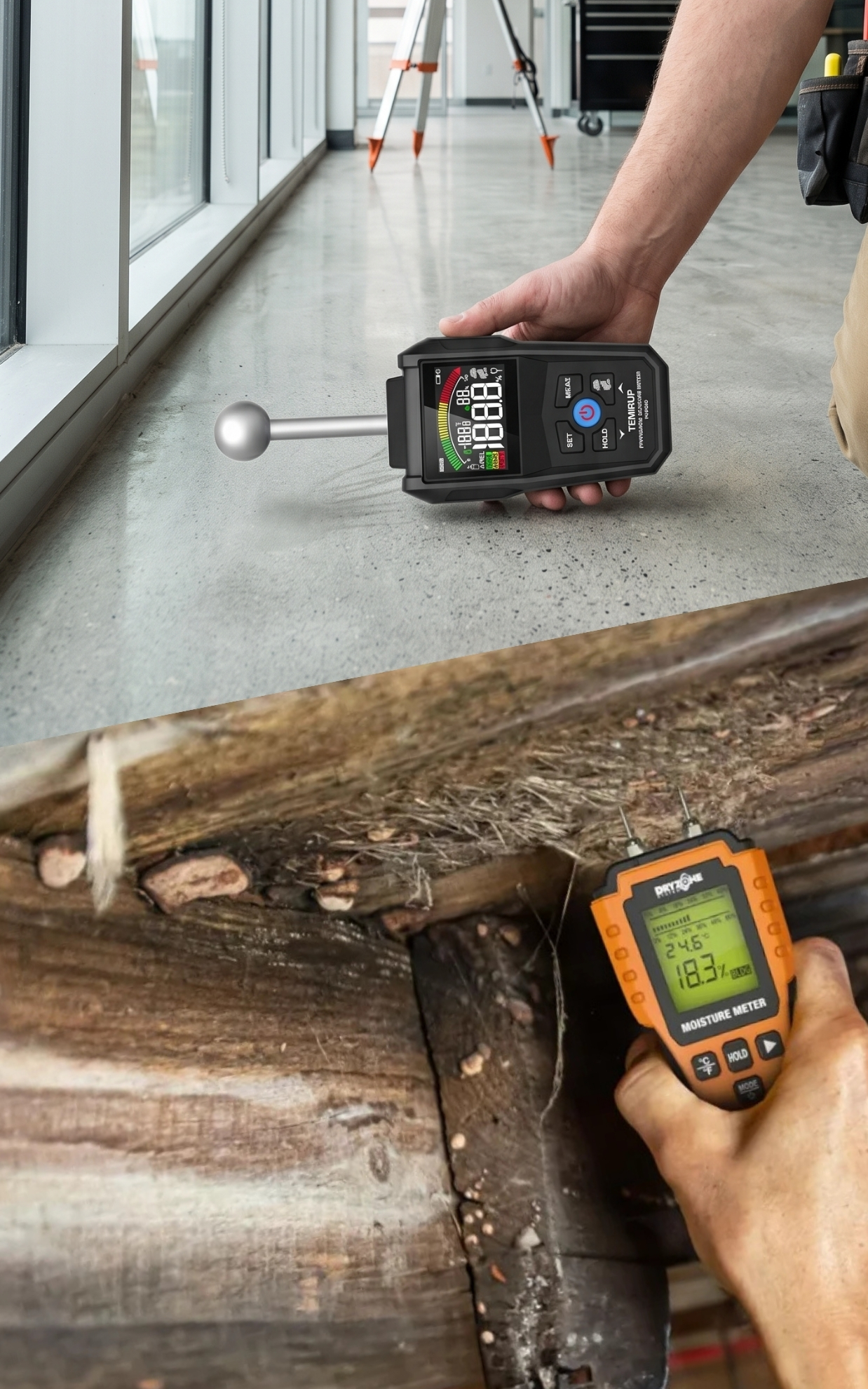
- Moisture meters and visual checks confirmed the damp proof course (DPC) was present, intact and functioning as intended, with zero signs of rising damp.
- Water staining on the ceiling above the rear door was identified as an active localised leak originating from the flat above, while checks on visible pipework, drains, brickwork pointing and structural timbers showed sound condition with no wood rot or woodworm.
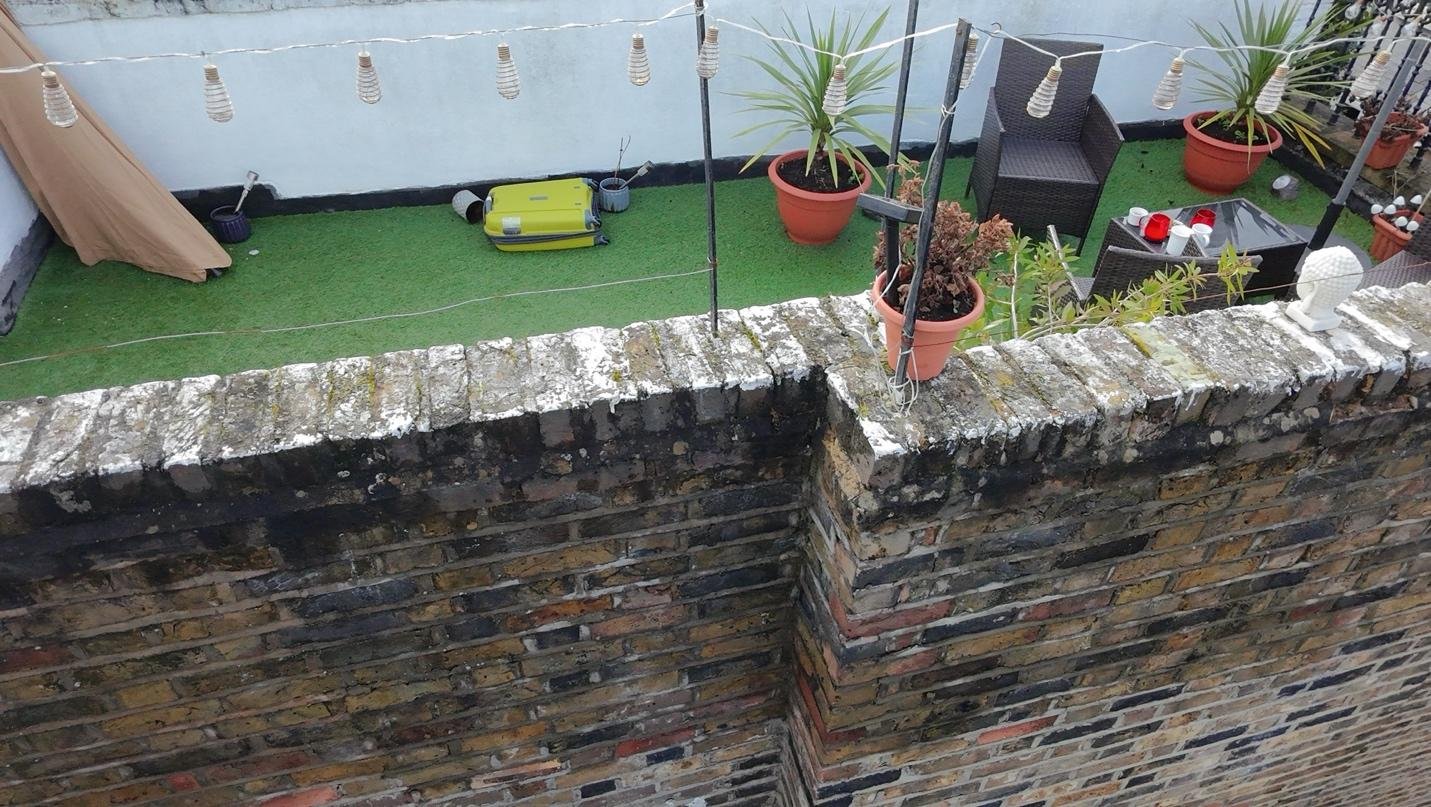
Aerial drone observations of the exterior revealed rear rainwater pipe leaks, a missing gutter end cap, accumulated gutter debris, fungal growth, organic growth on previous roof patch repairs, uncapped chimney pots surrounded by cracked and blown render with degraded pointing and an upstairs balcony wall lacking a coping.
The Solution
To resolve internal environmental conditions and correct external maintenance defects, the report outlined a targeted action plan:
- Keep bathroom doors closed while showering and run the extractor fan until all steam is expelled externally, alongside using adequate ventilation during cooking.
- Deploy a dehumidifier as a short-term moisture control measure.
- Install thermal plasterboard to affected cold walls as a primary long-term treatment to raise surface temperatures and prevent condensation.
- Contact the upstairs occupier or managing agent to investigate and repair the active ceiling leak above the rear door.
- Rectify defective rear guttering by fitting a missing end cap and clearing debris and fungal growth.
- Install suitable chimney caps, renew defective chimney render and repoint the stack.
- Engage a professional roofer to overhaul the roof covering and fit a concrete coping or plinth to the upstairs balcony wall.
The Outcome
The property owner gained total diagnostic clarity, learning that their ground floor flat was structurally sound and the DPC was fully intact. By opting for an independent survey, they avoided paying for unnecessary damp proofing injections and focused their resources on thermal wall lining and external roofline maintenance.
Why This Case Matters
Surface mould on external-facing walls is frequently misdiagnosed as rising or penetrating damp by contractors selling damp proofing treatments. Independent diagnostic surveys use thermal imaging cameras and hygrometers to isolate thermal bridging and atmospheric moisture, ensuring homeowners invest in correct insulation rather than unneeded wall injections.