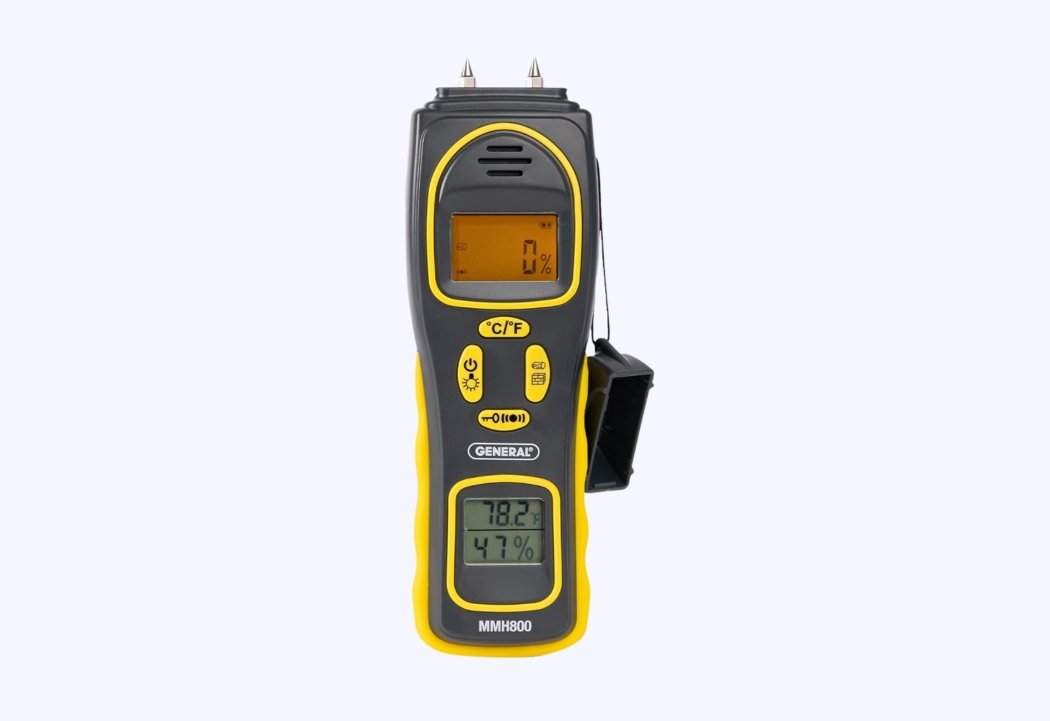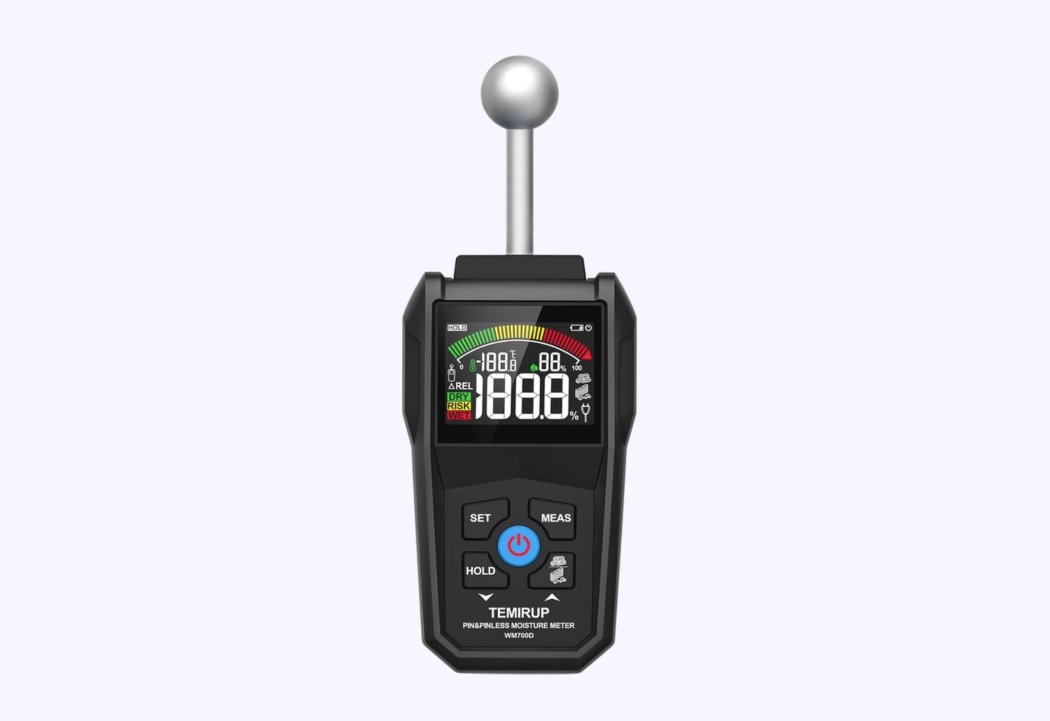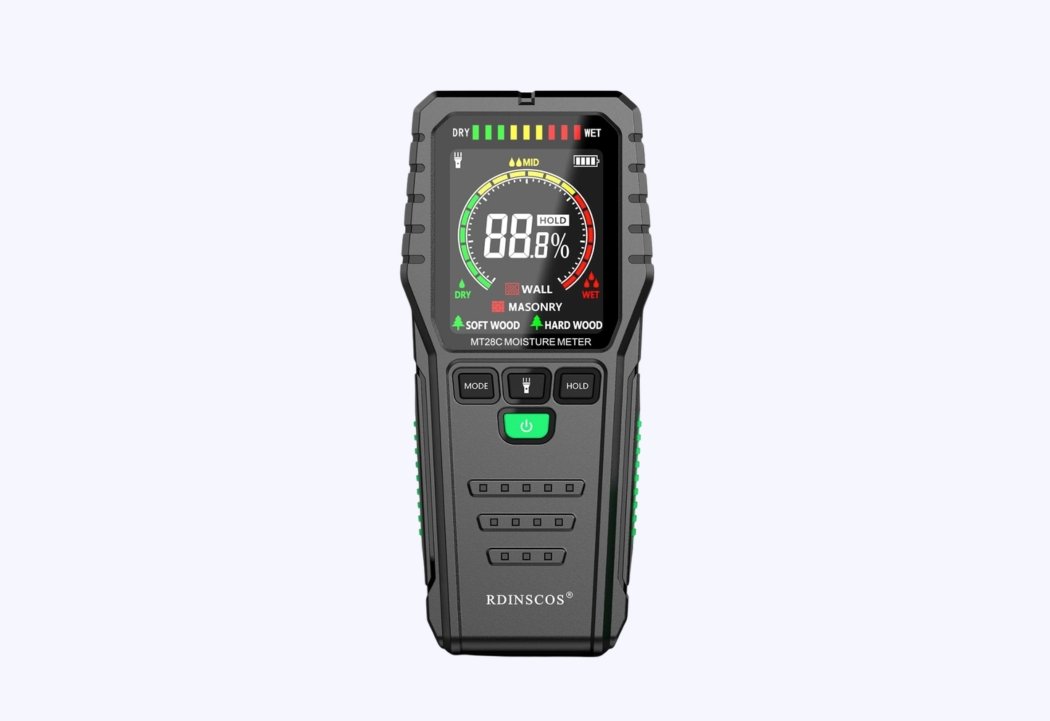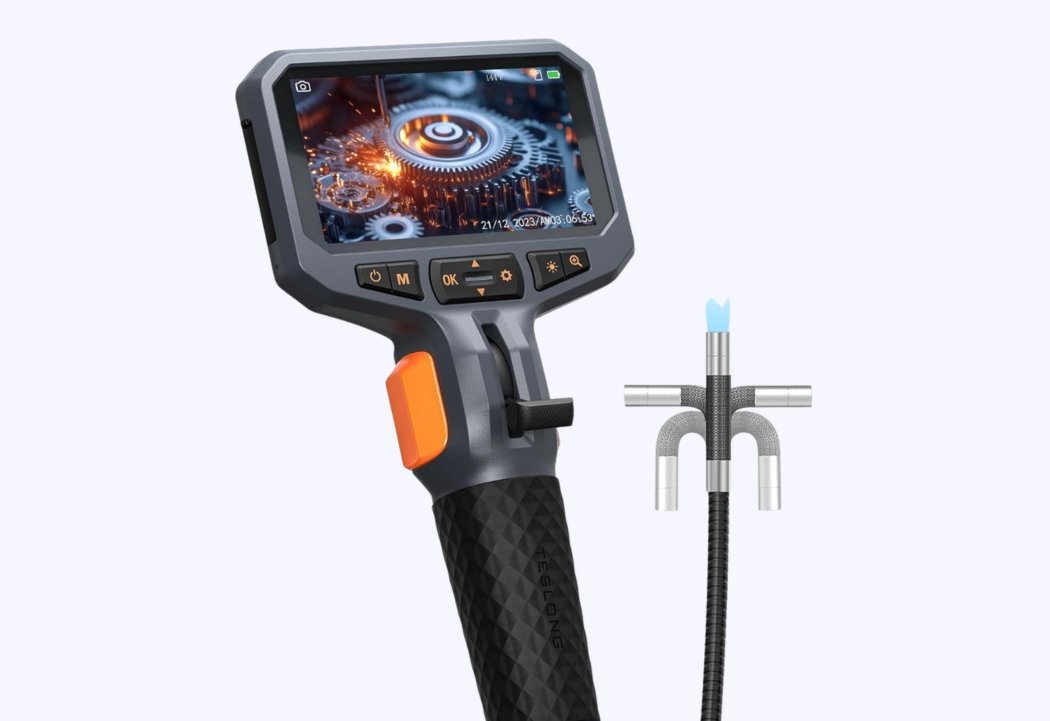
This independent Level 3 damp survey was performed on a ground floor flat in South Lambeth (SW8). Commissioned by the property owner to determine the root cause of recurring wall mould and ceiling dampness, the survey delivered a detailed, fact-based report. The evaluation offered an objective diagnostic assessment without sales pressure.
About the Issue
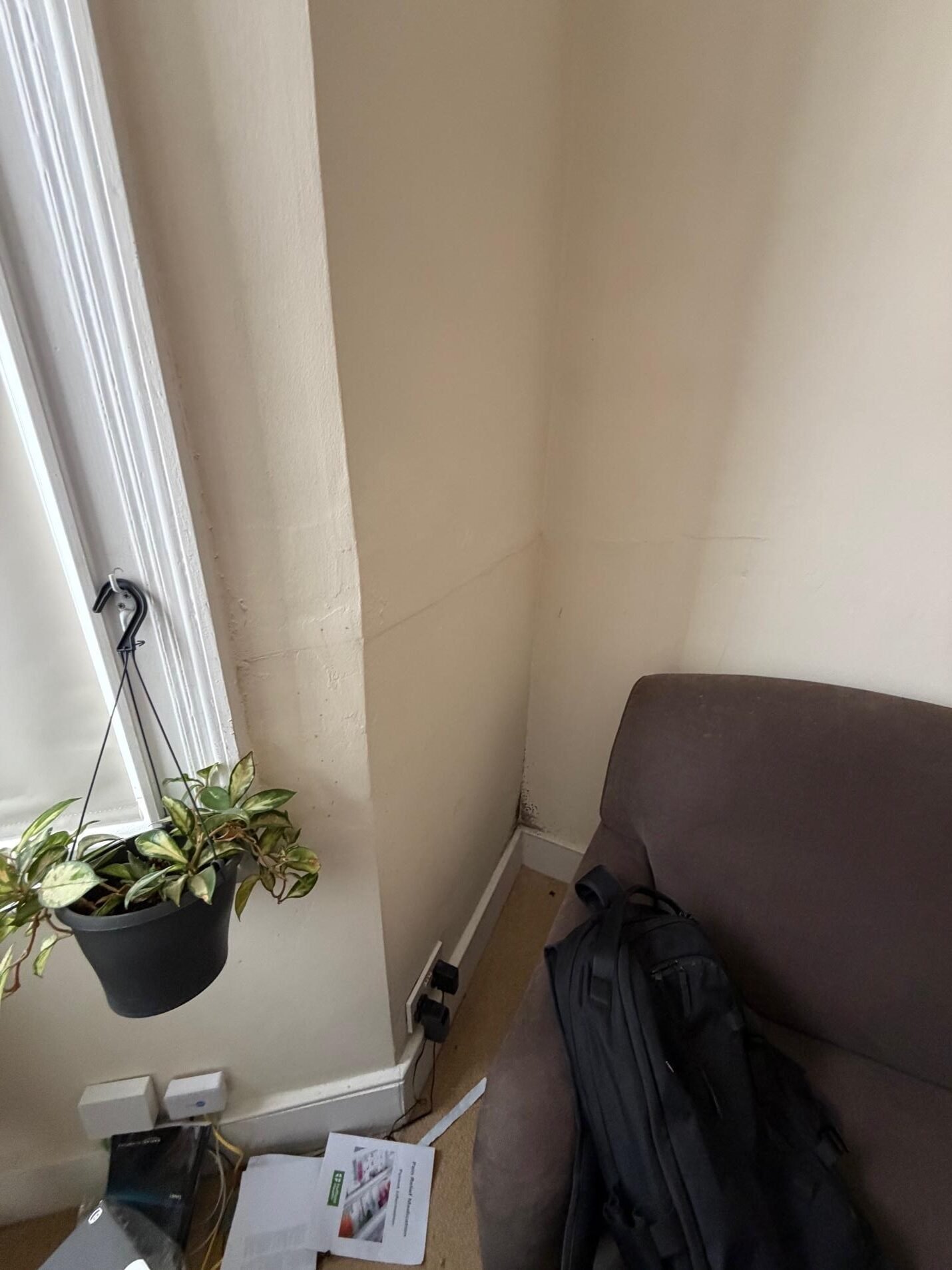
The property owner noticed black mould accumulating in the bay window area, in a rear room cupboard and along the outer bedroom window wall, as well as water marks above the rear door. They feared that rising dampness or leaking pipework was damaging the building fabric.
The Challenge
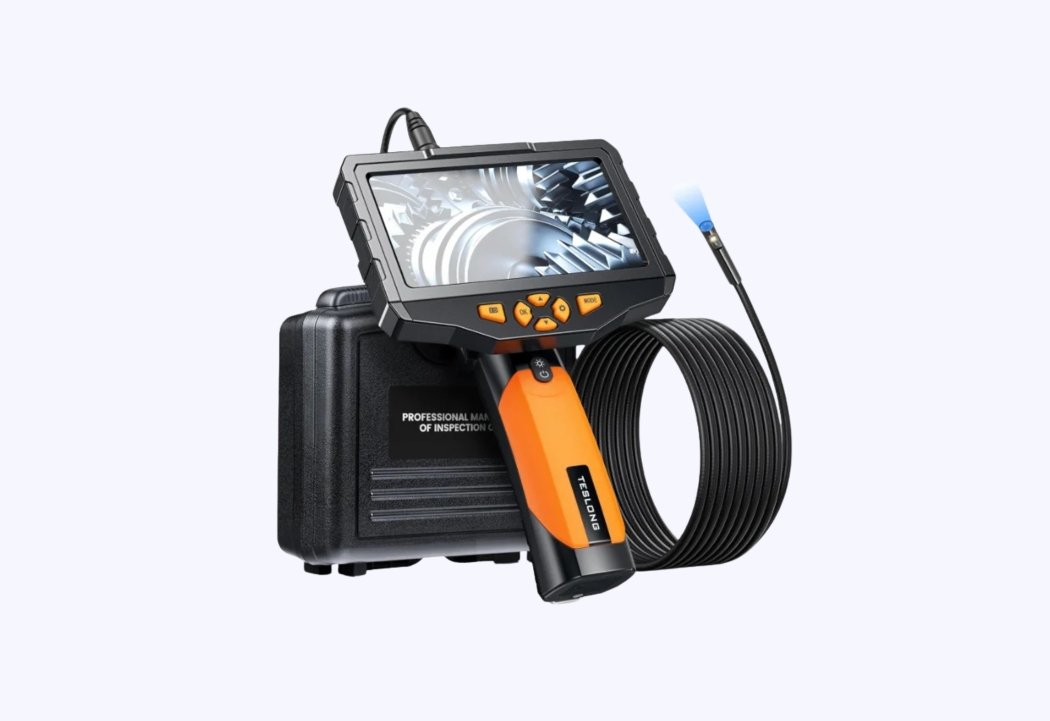
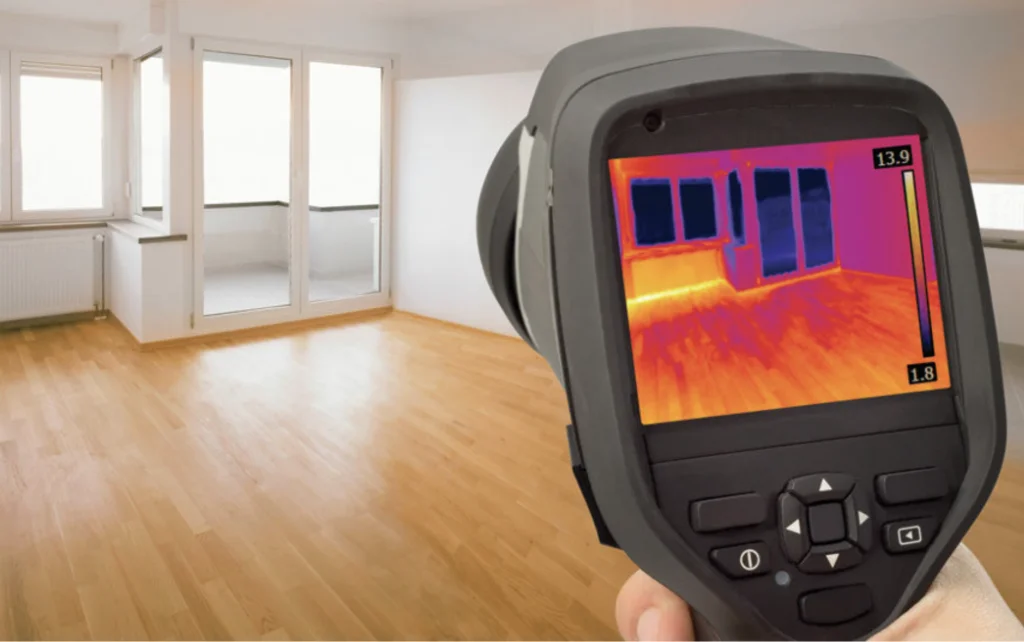
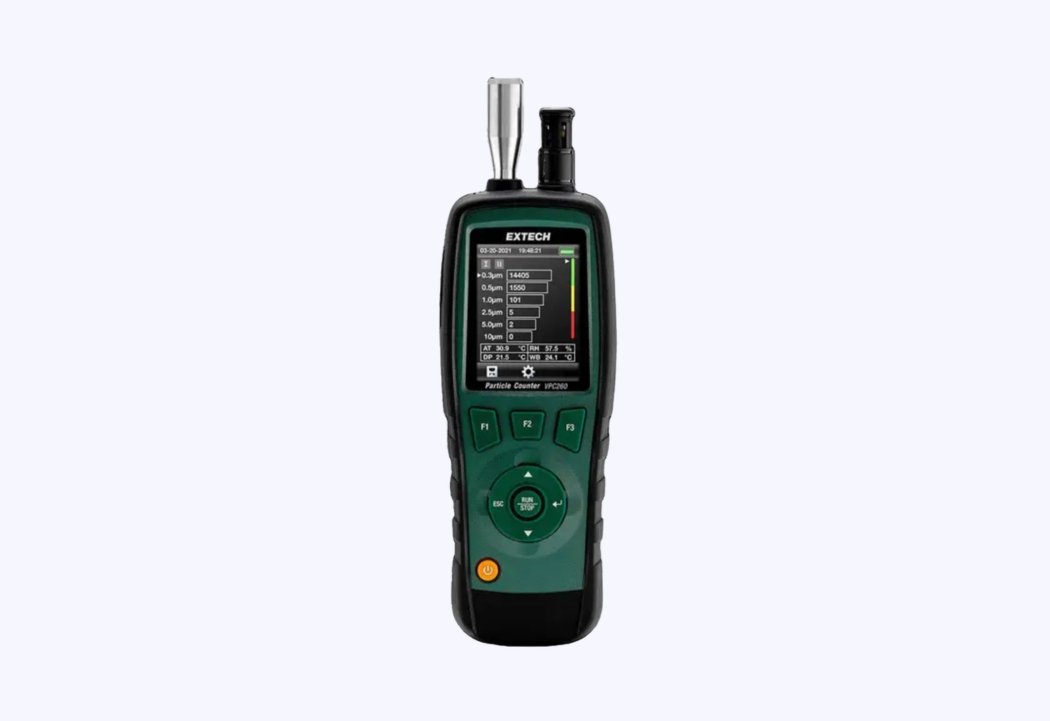
The surveyor performed a top-to-bottom Level 3 assessment covering internal living areas, environmental humidity readings, infrared thermal scans and aerial drone inspections of the roofline.
Key physical readings and diagnostic facts gathered during the check included:
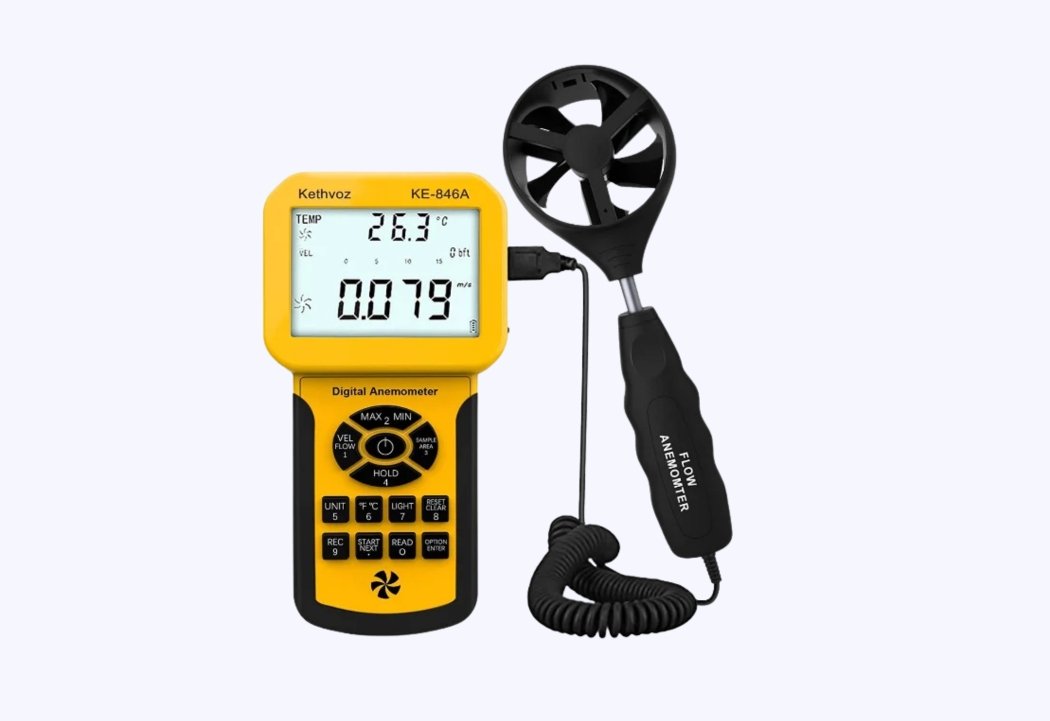
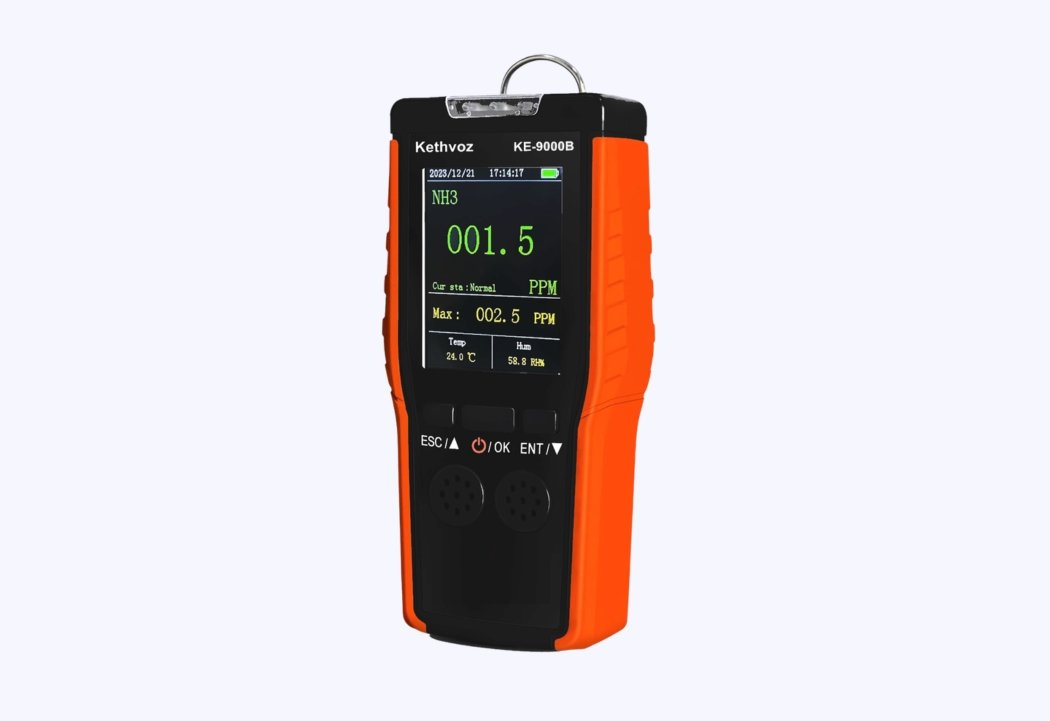
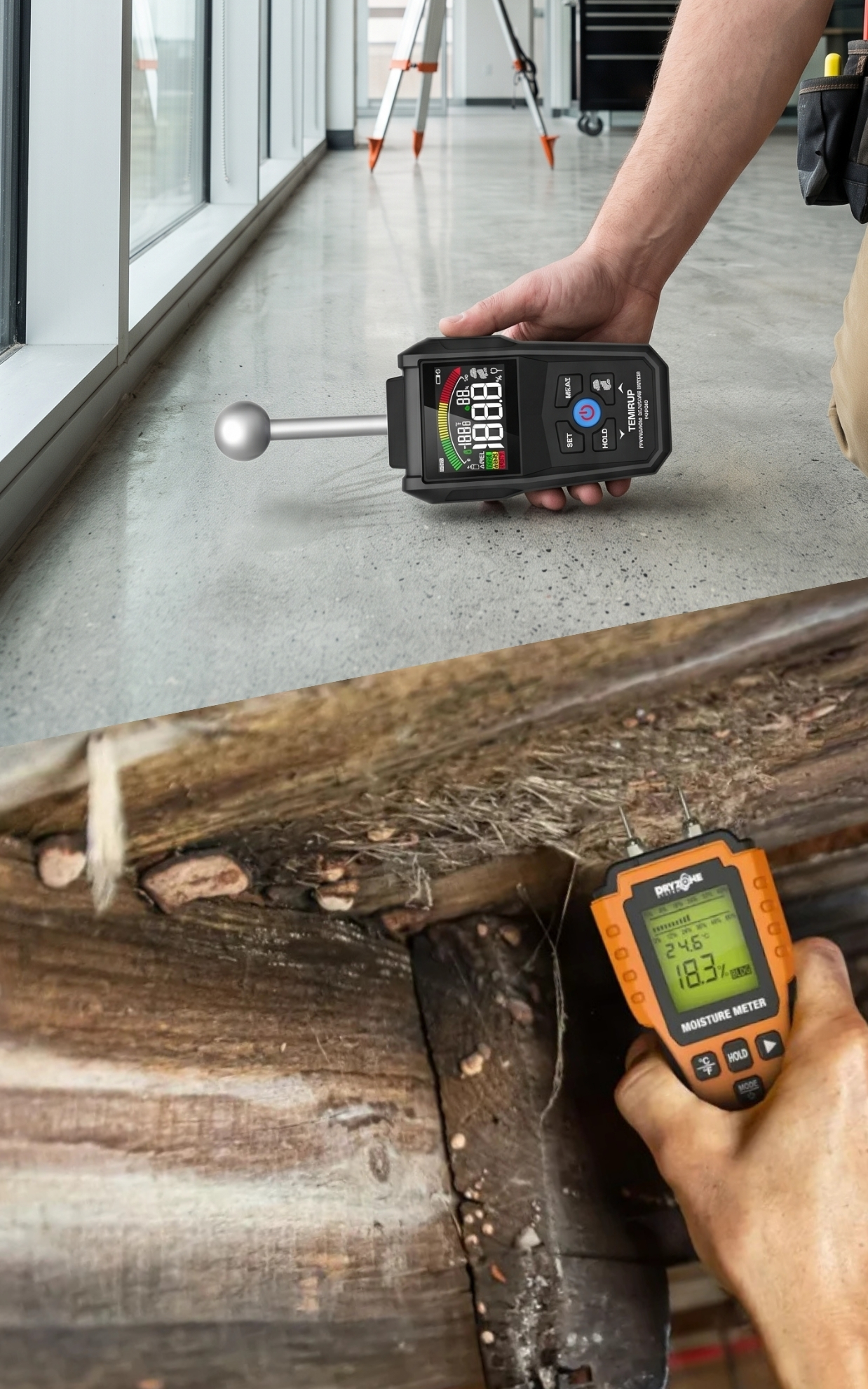
- Atmospheric humidity meters registered 75% relative humidity, significantly higher than the standard indoor benchmark of approximately 40–60%.
- Infrared thermal scans identified cold bridges in wall structures, matching exact spots of internal mould formation.
- DPC checks confirmed the existing damp proof course was intact and successfully blocking rising groundwater.
- Ceiling dampness above the rear door was diagnosed as an active leak from the flat above, while checks on visible plumbing, drainage, pointing and structural wood confirmed zero leaks, rot, or woodworm.
Aerial drone observations noted leaking rear rainwater pipes, a missing end cap, debris and fungal growth in gutters, organic growth on previous roof patch repairs, uncapped chimney pots with blown render and degraded mortar and a balcony wall lacking a protective coping.
The Solution
To permanently resolve the flat’s moisture issues, the report outlined a prioritised remedial roadmap:
- Maintain closed bathroom doors when showering and run the extractor fan until steam vents externally, alongside adequate cooking ventilation.
- Deploy a dehumidifier to control atmospheric moisture as a short-term measure.
- Install thermal plasterboard on affected cold walls to eliminate cold bridging and stop condensation mould.
- Notify the upstairs flat occupant or managing agent to repair the active leak above the rear door.
- Overhaul rear guttering by clearing debris and fungal growth and fitting a missing end cap.
- Fit caps to uncapped chimney pots, renew defective render and repoint the chimney stack masonry.
- Instruct a professional roofer to overhaul the roof covering and install a concrete coping or plinth on the balcony wall.
The Outcome
The property owner received a clean bill of health regarding the building’s structure and damp proof course. Armed with an independent report, they avoided unnecessary damp injection treatments and directed their budget toward thermal insulation and roofline maintenance.
Why This Case Matters
A 75% relative humidity level will trigger condensation on any uninsulated external wall. Independent diagnostic surveys combine thermal imaging with calibrated hygrometers to demonstrate that wall insulation, not chemical damp proofing, is the proper solution for condensation-driven mould.