Level 3 Damp Survey in Harold Wood (RM3)

Back to all Case Studies
Level-3-Damp-Survey-in-Harold-Wood-RM3.jpg

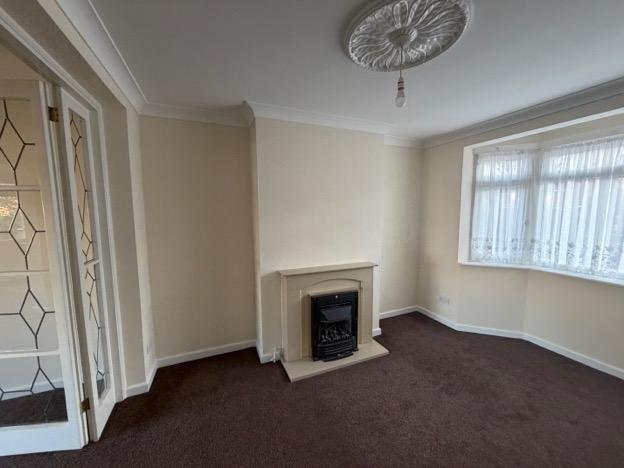
An independent Level 3 damp survey was commissioned for a two-storey residential property in Harold Wood (RM3). The property owner arranged the comprehensive evaluation to establish an accurate baseline of the building’s overall condition and check for hidden moisture risks. Obtaining an objective, specialist health check ensured that any maintenance decisions would be based on diagnostic facts.

About the Issue

The homeowner noticed a minor historical water stain beneath a windowsill and became concerned about potential water penetration. Fearing that this stain might indicate an active roof leak, hidden timber decay, or rising damp, they sought professional verification before committing to repairs.

The Challenge

A Level 3 damp survey was carried out to inspect all accessible internal and external elements, including the roof space, structural timbers, drainage and plumbing systems. The inspection aimed to determine whether surface indications represented active moisture ingress or historical marking.

Diagnostic testing provided clear quantitative evidence across the building:

  • Moisture meter testing across internal walls yielded average readings of approximately 10%, confirming acceptable dry conditions throughout.
  • Environmental checks recorded internal humidity levels at approximately 51%, maintaining a healthy range that prevents condensation and mould.
  • Testing on the stain beneath the windowsill registered no elevated moisture, confirming it was purely historical and inactive.
  • Inspection of accessible timbers showed zero evidence of dry rot, wet rot, or woodworm, while plumbing tests revealed no active leaks.

Outside, the main roof structure was found to be watertight and adequately ventilated, though the roofing felt showed age-appropriate deterioration. The uncapped chimney stack presented a potential pathway for rainwater entry and the rear flat roof exhibited surface staining from water pooling, though no internal penetration occurred. Additionally, while no visible DPC was identified, internal walls showed no rising damp.

The Solution

Because the survey confirmed a clean bill of health regarding active damp, no remedial damp proofing was required. The recommended action plan focused strictly on preventative maintenance:

  • Install chimney caps on the uncapped chimney stack to prevent rainwater ingress.
  • Clean guttering to ensure proper water flow and prevent potential overflow.
  • Monitor water pooling on the rear flat roof and improve drainage or falls if necessary.
  • Perform general roof maintenance as needed over time.

The Outcome

The homeowner received total reassurance that the property was structurally sound and completely free of active damp. By securing an independent evaluation, they avoided spending on unnecessary damp proofing treatments or wall injections.

Why This Case Matters

Visual signs like historical stains or water pooling on flat roofs frequently trigger false alarms, leading uncertified contractors to propose invasive treatments. Independent diagnostic surveys measure actual moisture levels rather than relying on visual assumptions, saving property owners from unneeded building work.

FAQs
Does the historical stain under the windowsill require treatment?

No. Testing recorded no elevated moisture in this area, proving that the stain is historical and inactive.

Why install chimney caps if there is no active damp?

The chimney stack is currently uncapped, leaving it open to potential rainwater entry. Installing caps is a proactive measure to prevent future water ingress.

Were any timber defects or plumbing leaks found?

No. All visible plumbing systems were leak-free and all accessible timbers were completely free from dry rot, wet rot and woodworm.

Ensure your home receives an honest, evidence-based assessment before undertaking any building work.
 

Damp Survey Costs

Transparent pricing with no hidden fees for our independent, unbiased surveys.

Level 1

Level 1

£199 + VAT

What’s included:

  • Inspection of walls
  • Inspection of floors
  • Inspection of ceilings
  • Leak inspection of drains and plumbing
  • Damp information and prevention guide
Level 2

Level 2

£299 + VAT

What’s included:

  • Everything in Level 1
  • Dry rot inspection
  • Wet rot inspection
  • Woodworm inspection
  • Damp information and prevention guide

 Survey Add Ons

Add On 1

£299 + VAT
Lab Analysis Of Plaster

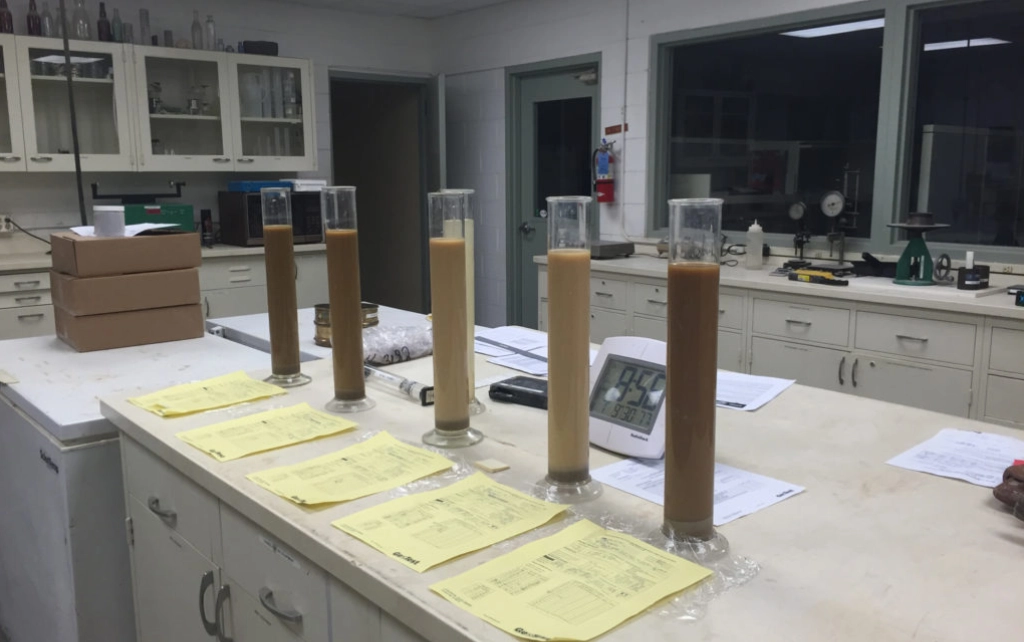
Laboratory analysis Of plaster identifies hygroscopic salts such as chlorides and nitrates. which indicate whether damp is caused by rising groundwater or by plumbing leaks, This testing removes guesswork, allowing the exact source of moisture to be identified so the correct treatment is applied rather than carrying out unnecessary damp-proofing work.

Add to Survey

Add On 2

£299 + VAT
Mould Lab Swab Testing, qPCR on DNA

qPCR DNA mould testing detects microscopic mould spores that are invisible during a normal inspection and van remain hidden behind walls, floors. or inside building rkaterials. It identifies the exact mould species present and the contamination level, allowing hidden mould problems to be confirrned and properly treated before they affect the property or occupants’ health.

Add to Survey

Qualifications: All our surveyors are PCA and CSRT qualified for remedial treatments and also CSSW qualified for structural waterproofing.
Next day report: You will receive the report within 24 hours of the inspection taking place.

These are the tools we use

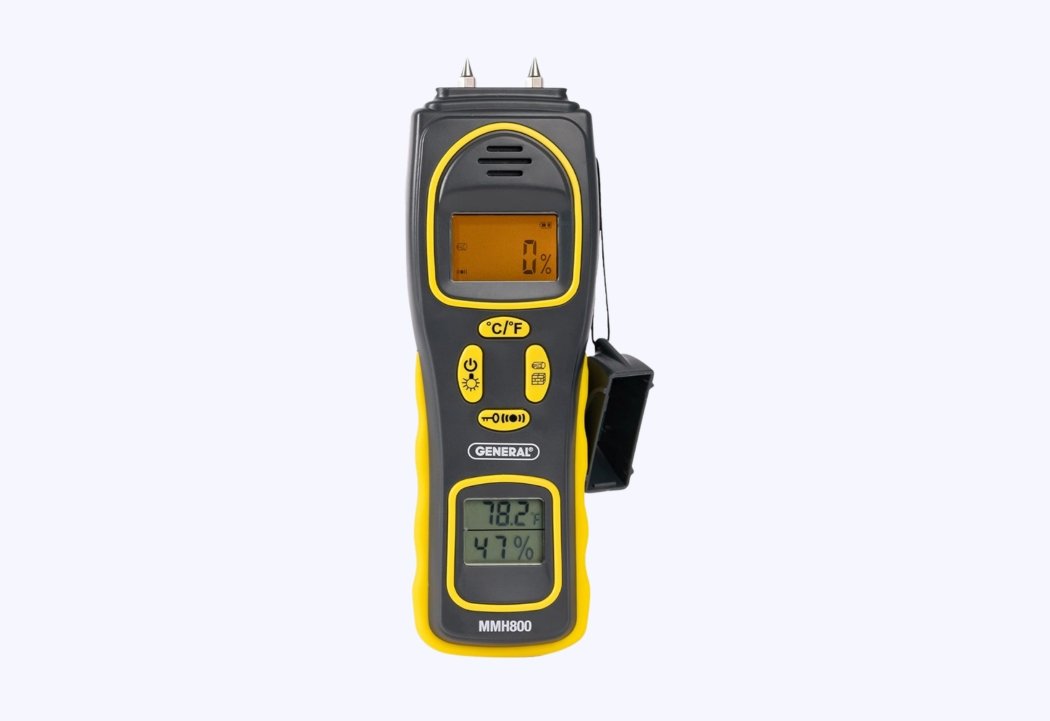
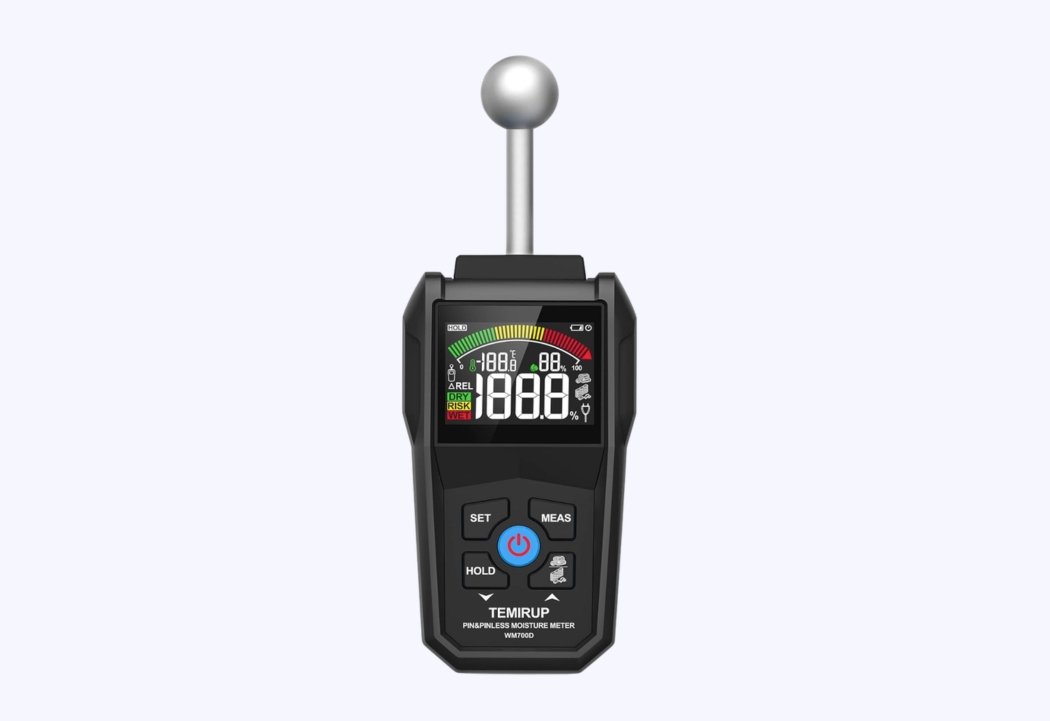
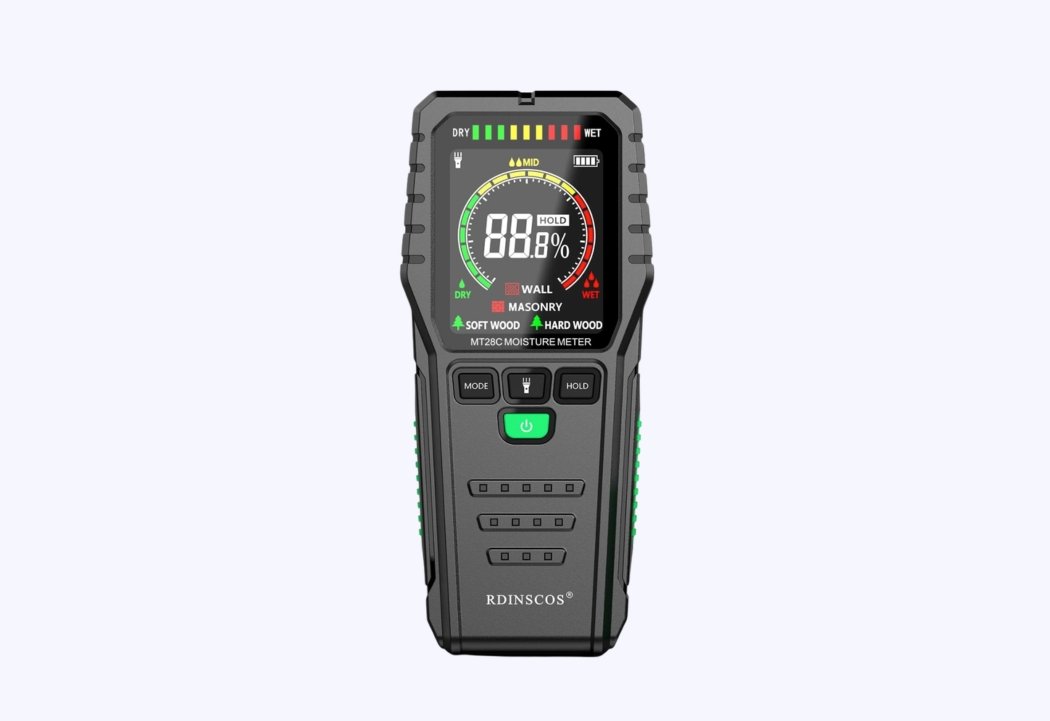
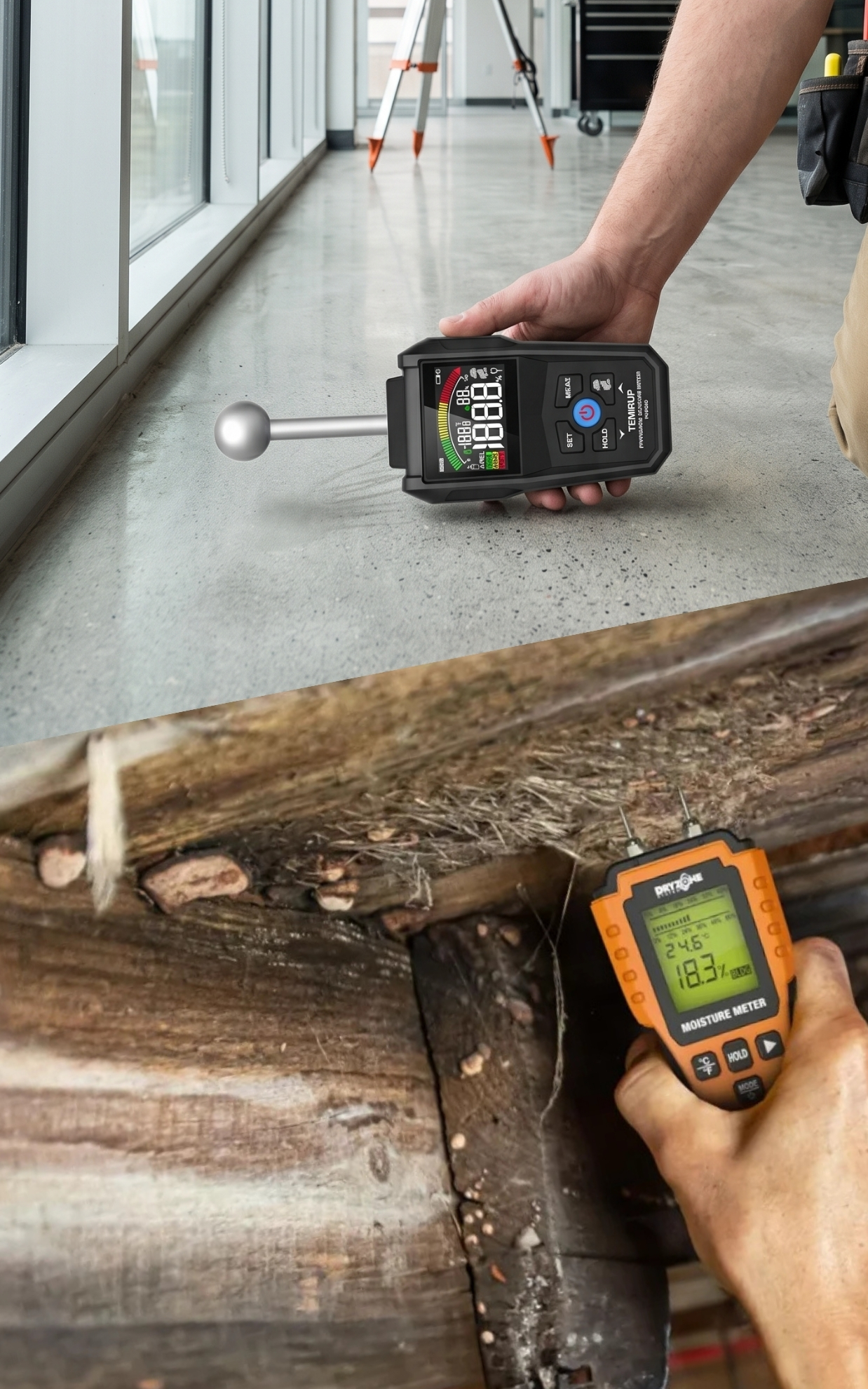
Damp Meter

Damp Meter

A damp meter is a diagnostic tool used to detect and measure moisture levels within building materials such as plaster, brick, timber, and concrete.

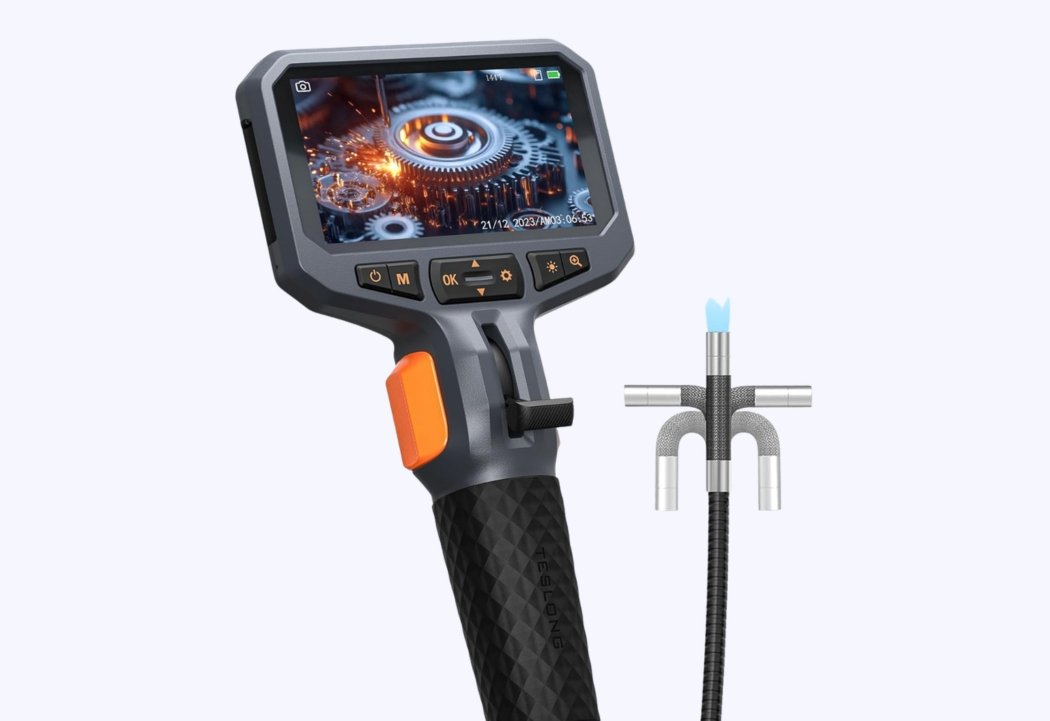
Borescope camera

Borescope camera

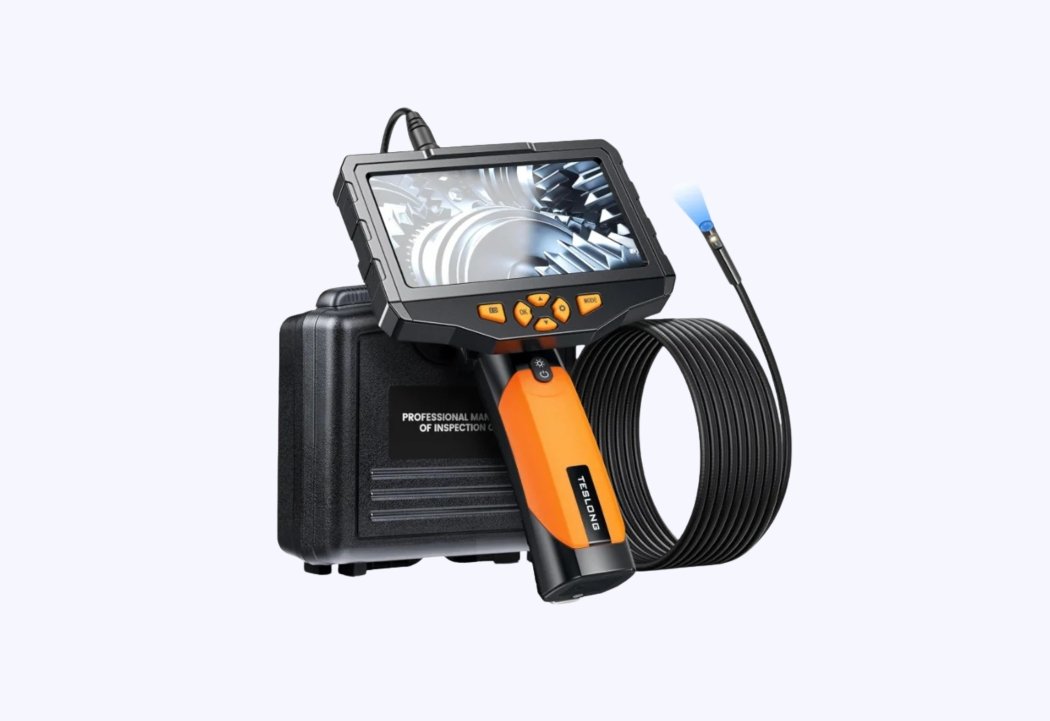
borescope camera is a small inspection camera attached to a flexible semi-rigid cable that allows you to see inside areas that are otherwise inaccessible.

Drone Inspection

Drone Inspection

A drone is a remotely operated aerial device equipped with a camera that allows visual inspection from above without the need for scaffolding or ladder.

Air Humidity Sensor

Air Humidity Sensor

Air humidity sensor measures the amount of moisture present in the air, expressed as relative humidity (RH) in percentage. It helps determine whether indoor conditions are contributing to condensation, mould growth, or damp-related issues.

Thermal Imaging Camera

Thermal Imaging Camera

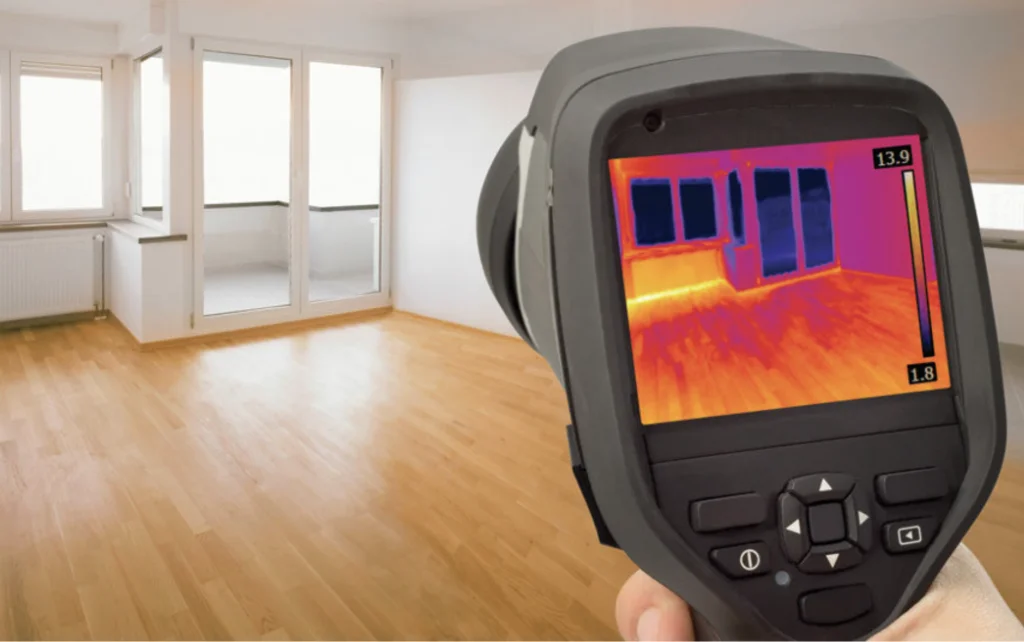
A thermal imaging camera detects temperature differences on surfaces by using infrared technology to produce a heat map image. In damp investigations, it helps identify cold spots, moisture intrusion, insulation defects, thermal bridging and leaks.

Air Flow Ventilation Detector

Air Flow Ventilation Detector

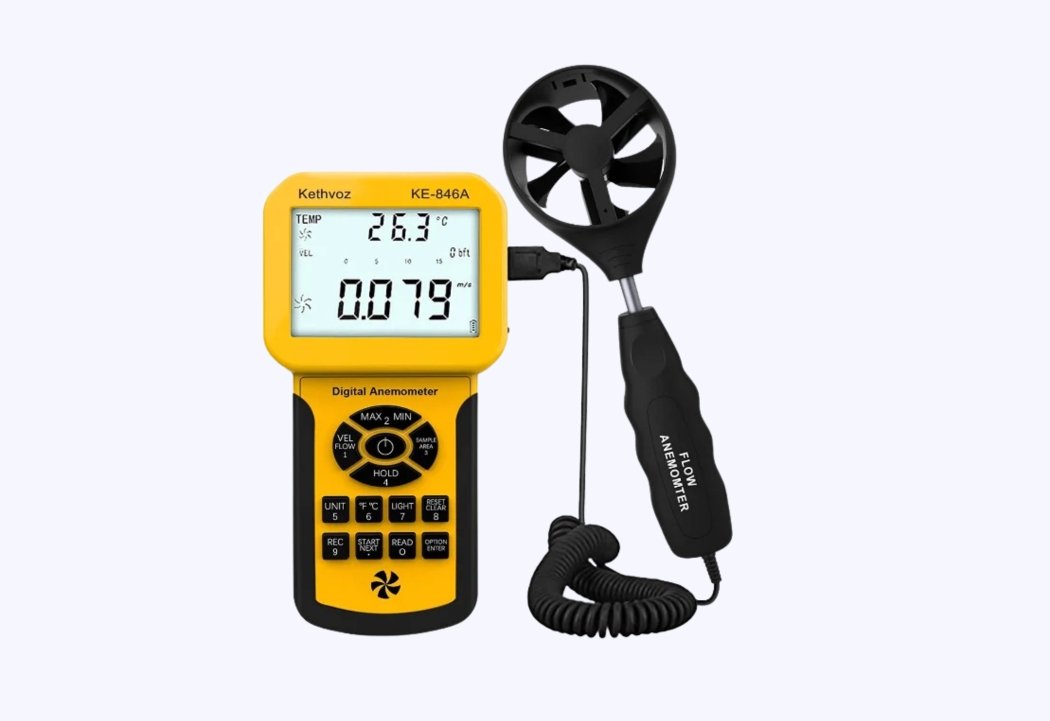
An air flow ventilation detector measures the movement and volume of air passing through vents, extractor fans, and air bricks. It confirms whether ventilation systems are working properly and achieving adequate air changes within a room. Poor airflow leads to trapped moisture, high humidity, condensation on cold surfaces, and ultimately mould growth.

Mould Lab Swab Testing

Mould Lab Swab Testing

A mould swab test is carried out to confirm the presence of hidden mould growth and identify the specific species involved. Surface mould is not always visible, especially behind furniture, inside cavities, or within ventilation systems. Laboratory analysis of a swab sample determines whether active mould spores are present and what type they are, which helps assess potential health risks and decide the correct remediation approach rather than relying on visual assumption alone.

Lab Analysis of Plaster

Lab Analysis of Plaster

Laboratory analysis of plaster is used to identify the type of salts present within the material, typically chlorides and nitrates. The presence and concentration of these salts help determine whether the moisture source is consistent with rising damp, ground contamination, or another forms [sic] of water ingress. such as mains water leak, This removes guesswork and prevents misdiagnosis, ensuring the correct remedial treatment is specified rather than applying unnecessary or ineffective solutions.


Contact Us

If you have some questions, please complete this form:

Book and Pay for a survey

If you are ready to book a survey and pay, please complete this form:

Book Survey