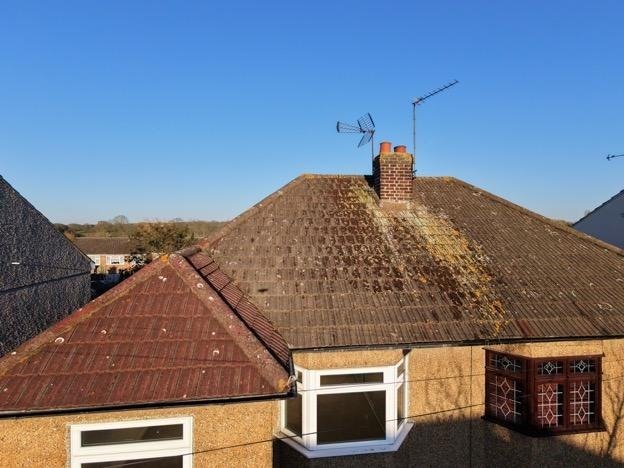
An independent Level 3 damp survey was carried out on a two-storey residential property in Harold Wood (RM3). The property owner requested the survey to determine whether any active moisture ingress or timber decay was present within the building envelope. The thorough inspection provided an impartial diagnostic check across all accessible areas.
About the Issue
Concerns arose after the homeowner identified a minor historical water stain beneath a windowsill. Fearing that this might be an early sign of penetrating damp, roof leaks, or widespread moisture issues, they sought expert confirmation before proceeding with any interior work.
The Challenge
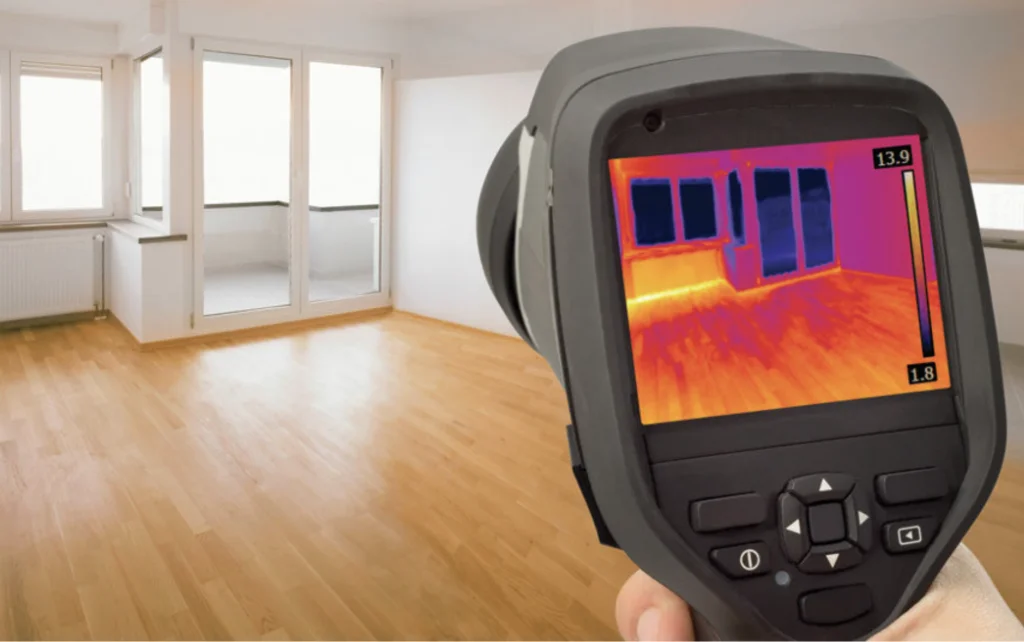
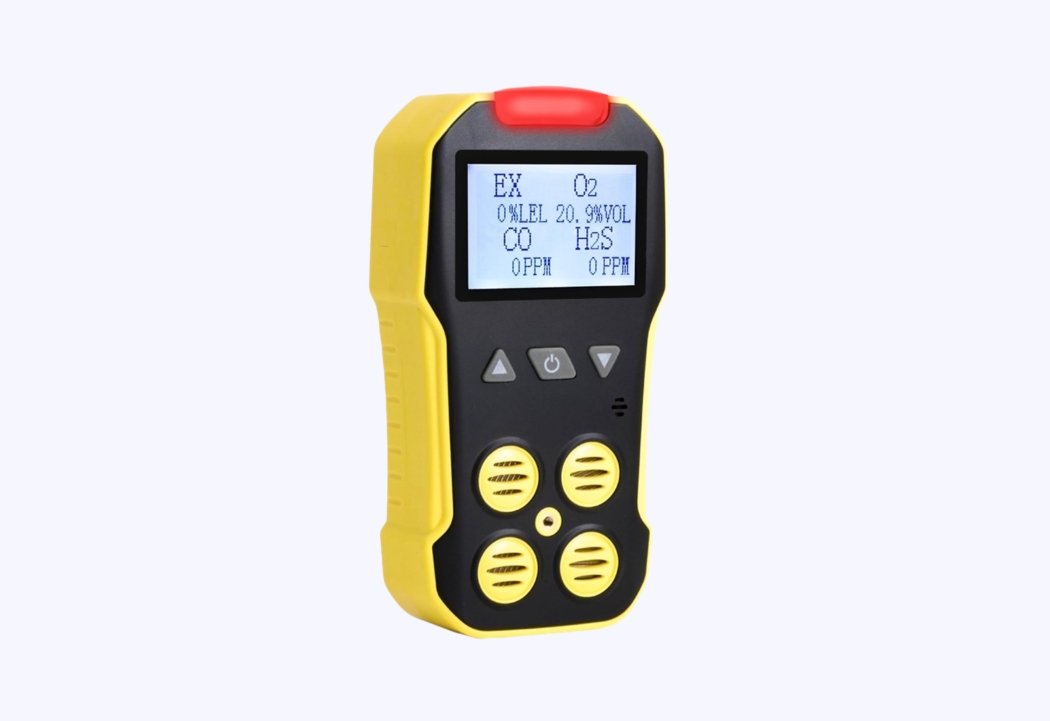
A complete Level 3 damp survey was executed to evaluate the building’s internal surfaces, roof structure, chimney, gutters, flat roof areas, plumbing and structural timbers. The primary diagnostic focus was determining whether surface marks pointed to active water ingress.
Key testing results and observations included:
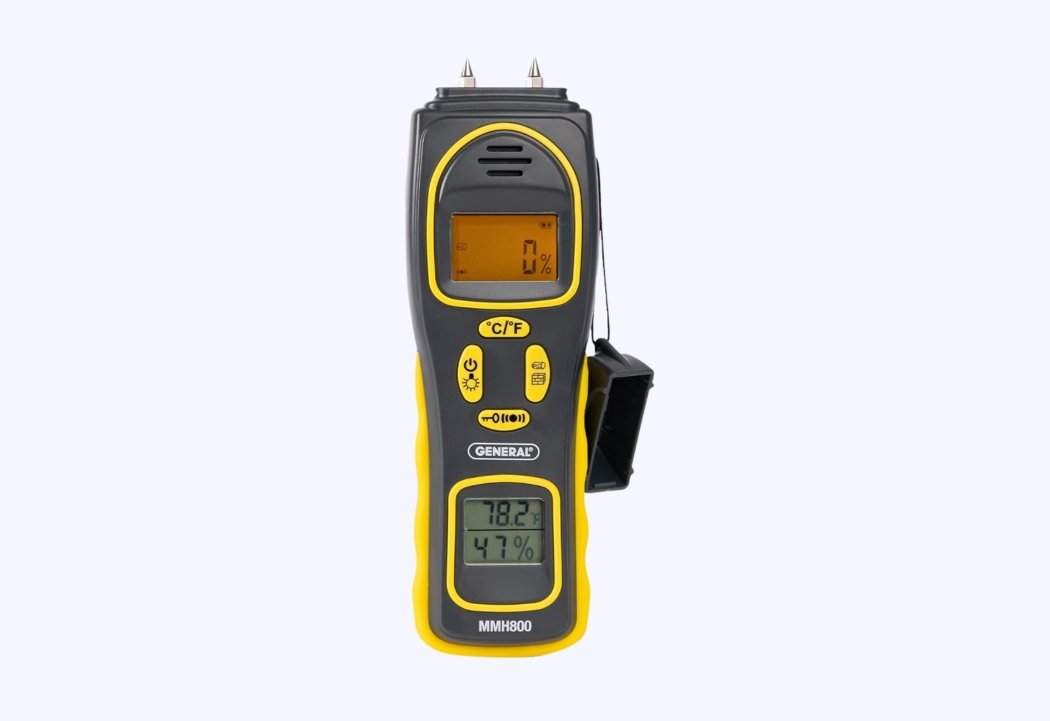
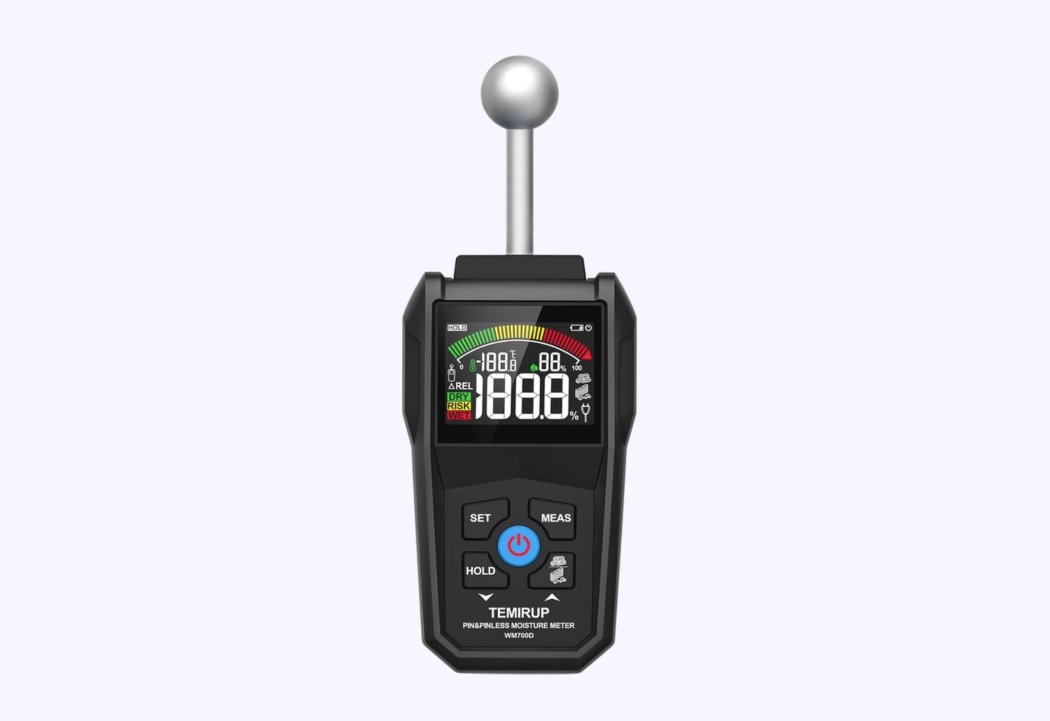
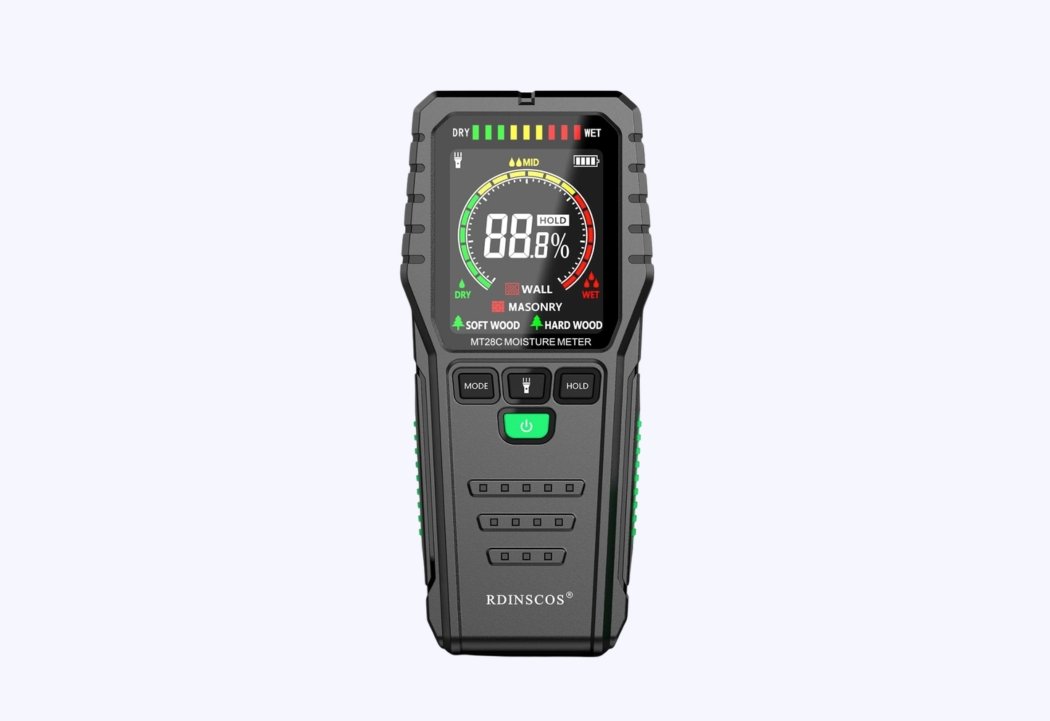
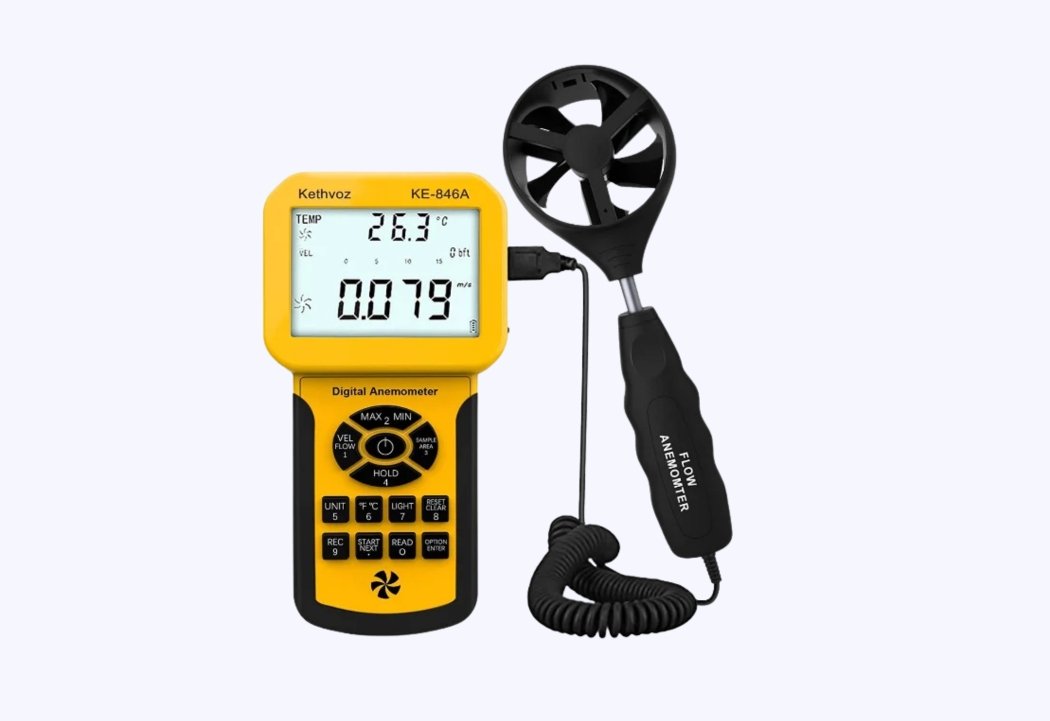
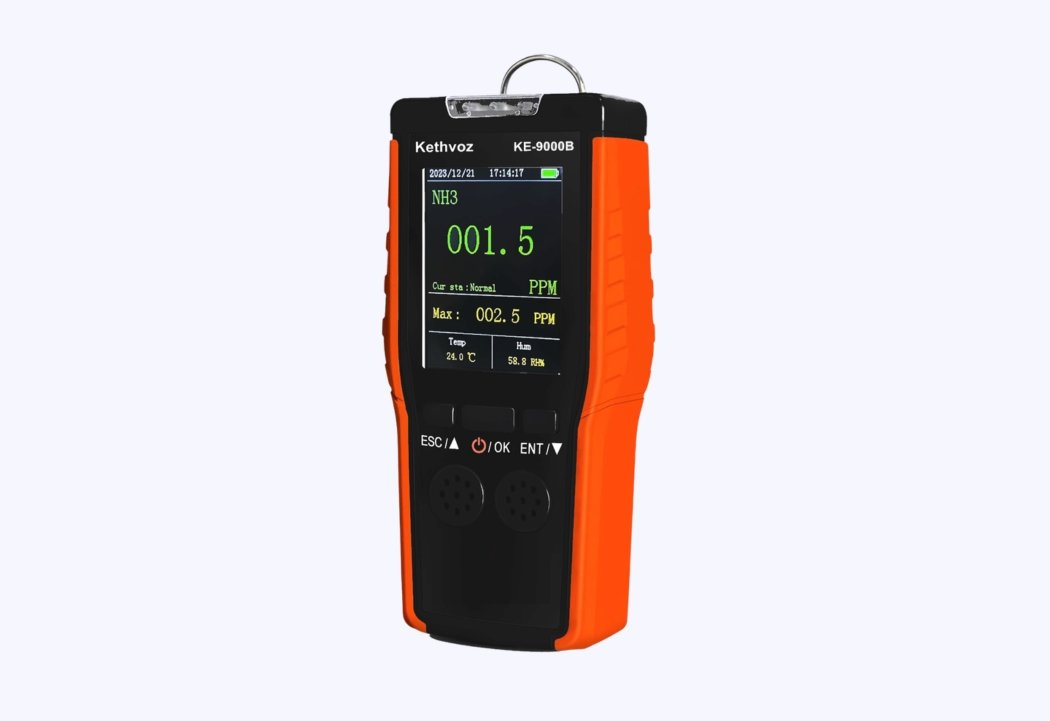
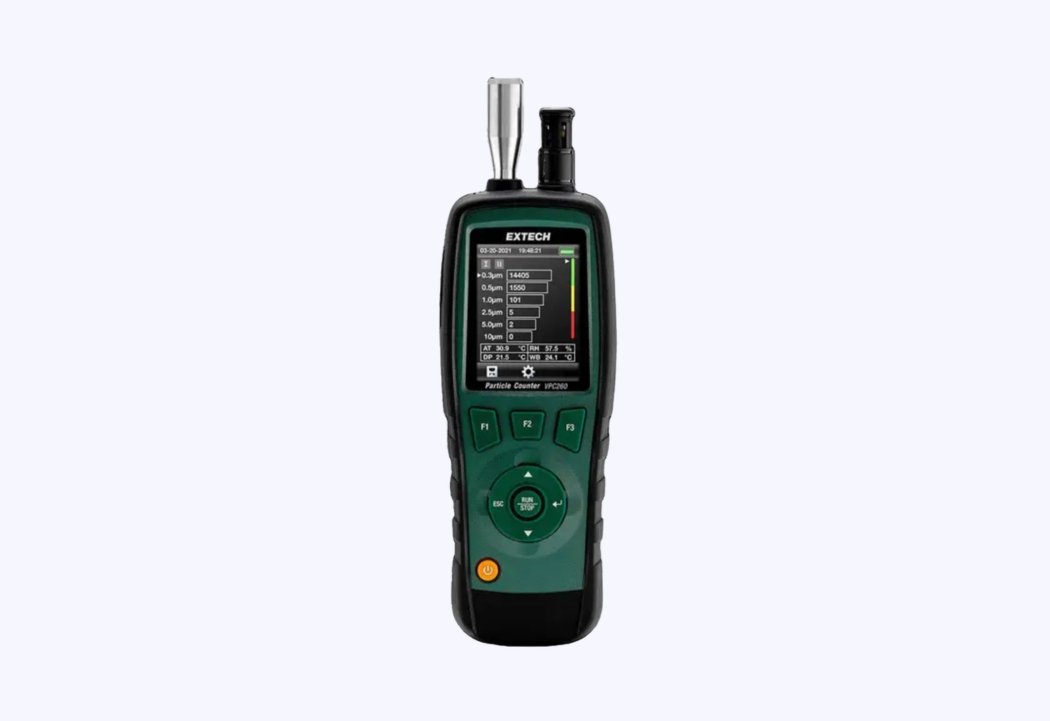
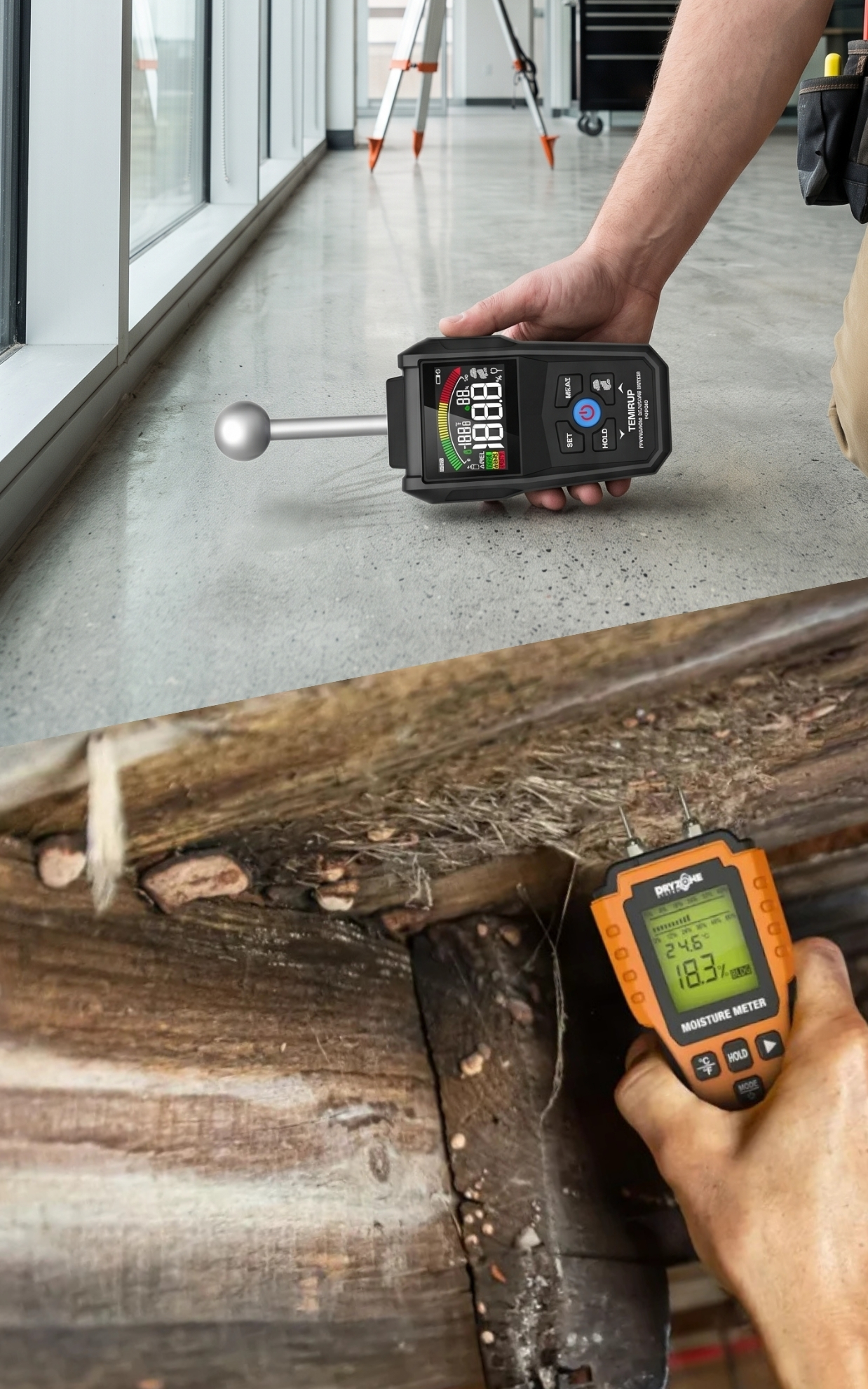
- Moisture testing across internal walls yielded average readings of approximately 10%, indicating dry conditions throughout.
- Internal humidity was recorded at approximately 51%, confirming a normal environment that does not support condensation or mould.
- Direct testing over the windowsill stain recorded no elevated moisture, verifying that the issue was purely historical.
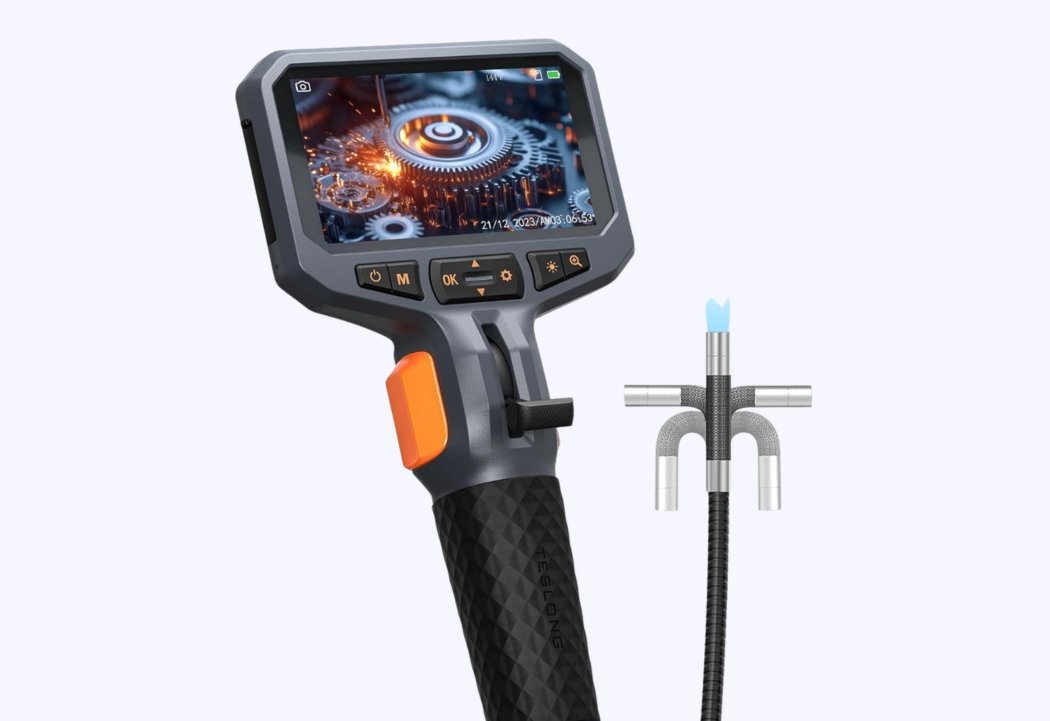
- Visual and physical timber checks revealed no traces of dry rot, wet rot, or woodworm.
The plumbing system was confirmed to be in good working order with no active leaks. External brickwork and render showed no defects contributing to damp. In the roof space, conditions were watertight and well-ventilated, despite age-related deterioration of the roofing felt. An uncapped chimney stack and surface staining from flat roof pooling were highlighted, but neither was causing internal damp penetration. Furthermore, no visible DPC was detected, yet no internal rising damp was present.
The Solution
Because the survey confirmed a clean bill of health in relation to damp, no remedial damp proofing work was needed. The inspector outlined a preventative maintenance schedule:
- Install chimney caps to eliminate potential rainwater entry via the open stack.
- Clean out guttering to ensure proper water flow and prevent potential overflow.
- Monitor flat roof pooling and improve drainage if required.
- Carry out general roof maintenance over time as needed.
The Outcome
The homeowner received definitive proof that their home was dry and structurally sound. By choosing an independent survey, they avoided high quotes for unnecessary chemical damp proofing and gained a practical maintenance blueprint.
Why This Case Matters
Uncapped chimneys and flat roof pooling are common external maintenance items, but they do not automatically translate to internal damp. Specialist diagnostic surveys test actual internal conditions, preventing homeowners from paying for unneeded interior damp proofing.