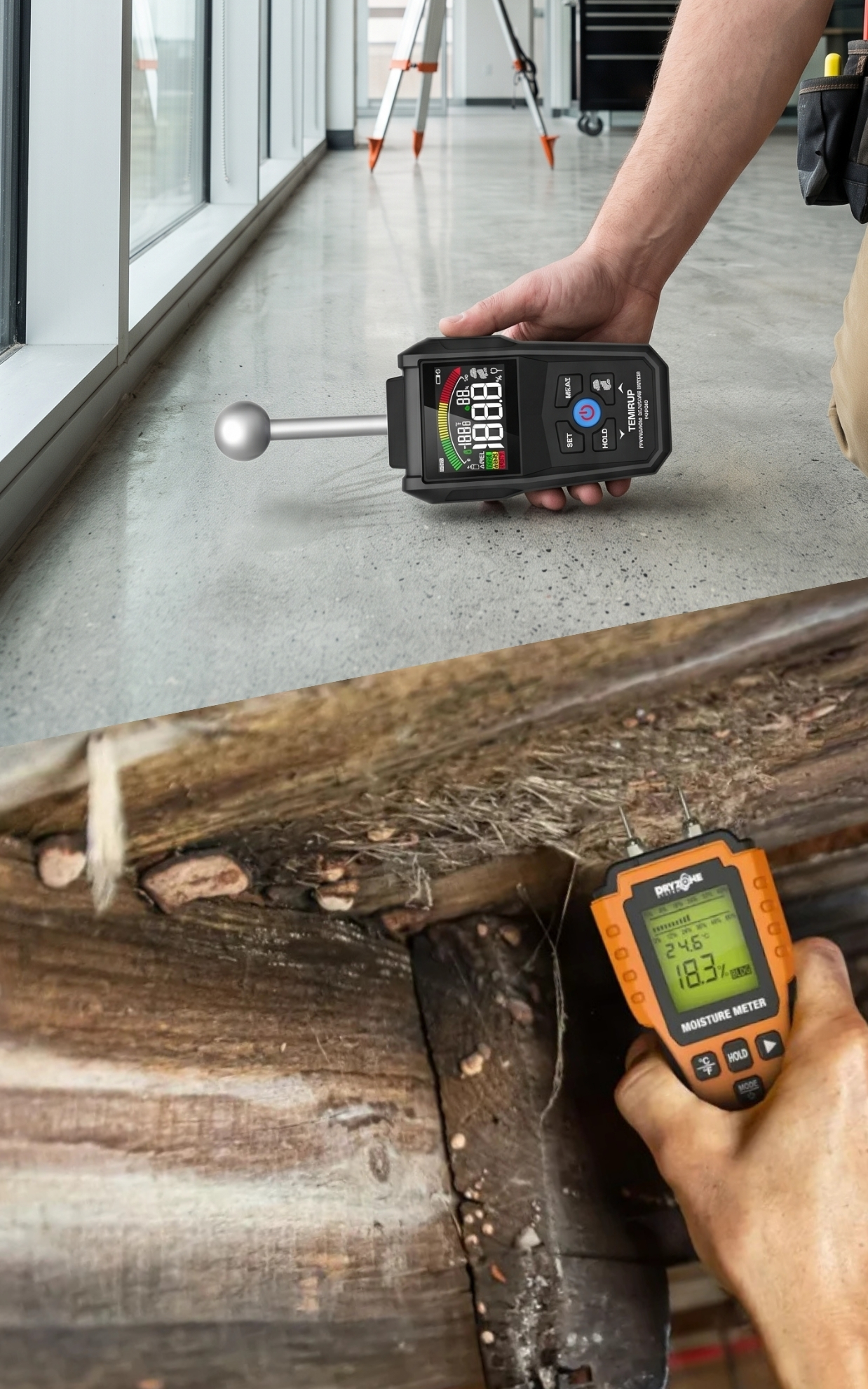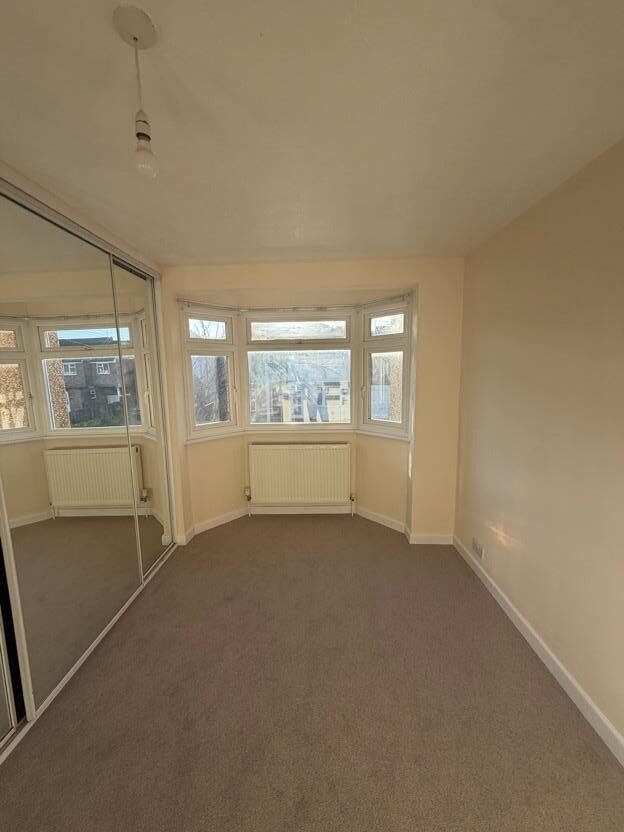
A Level 3 damp survey was conducted on a two-storey residential property in Harold Wood (RM3). The property owner instructed an independent diagnostic inspection to assess the building’s moisture profile and timber integrity across all accessible spaces. The objective was to obtain an unbiased specialist opinion before carrying out any redecoration.
About the Issue
Attention was drawn to a minor historical water stain under a windowsill, which raised concerns for the property owner. Unsure of its origin, they worried that rain might be seeping into the walls or that missing damp proofing could cause structural damage.
The Challenge
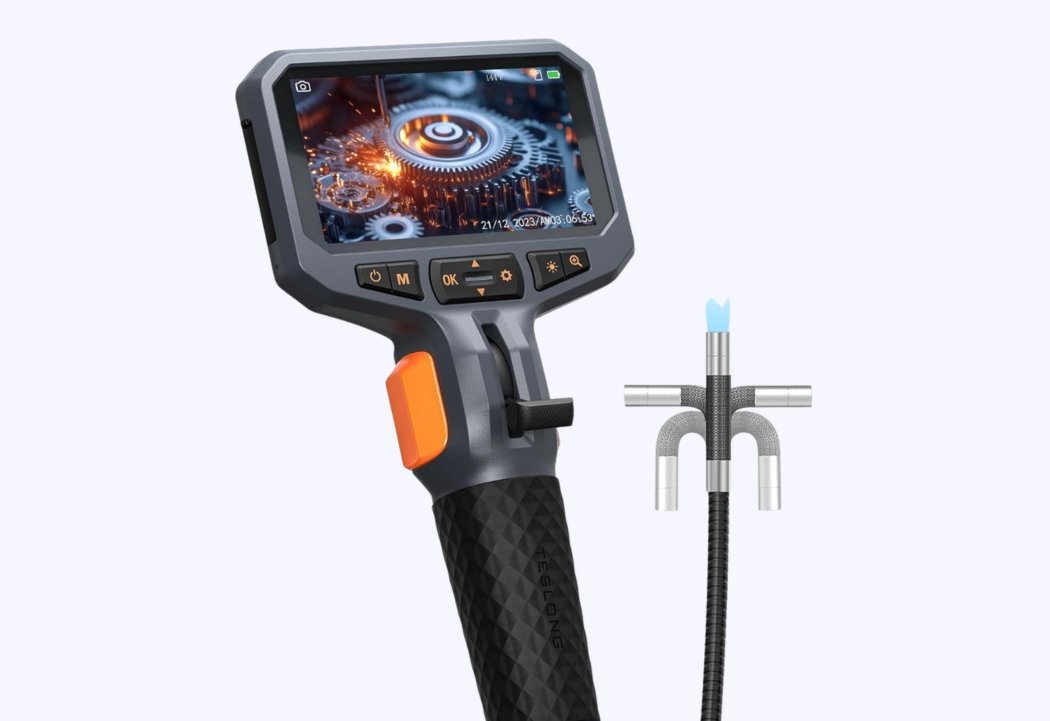
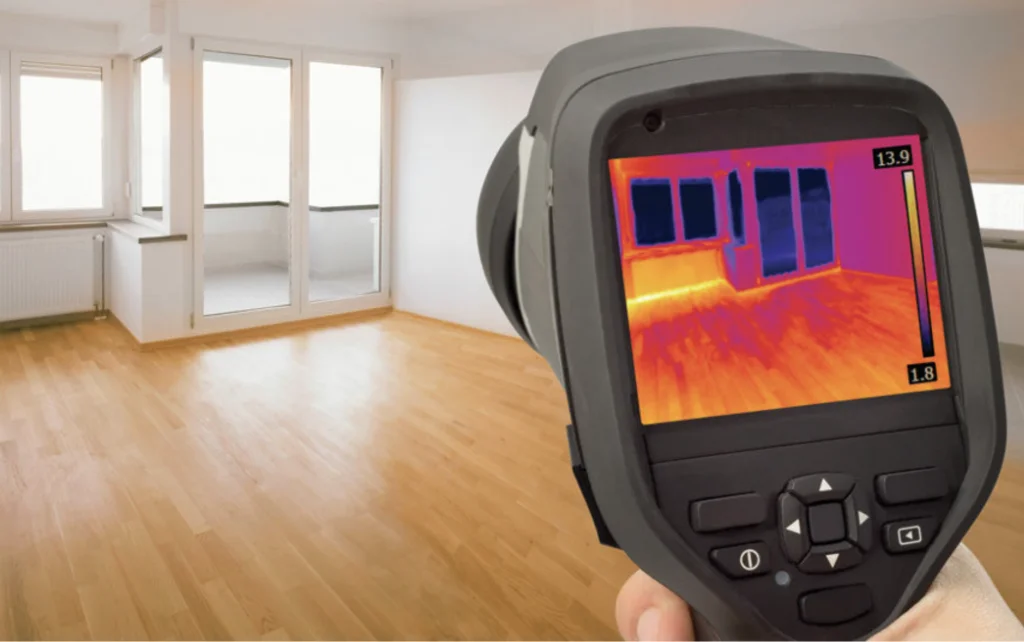
Executing a Level 3 damp survey involved inspecting internal walls, ceilings, floors, loft spaces, chimney stacks, gutters, flat roofs and plumbing runs. The diagnostic goal was to evaluate actual moisture performance across every structural component.
The investigation produced key physical readings and findings:
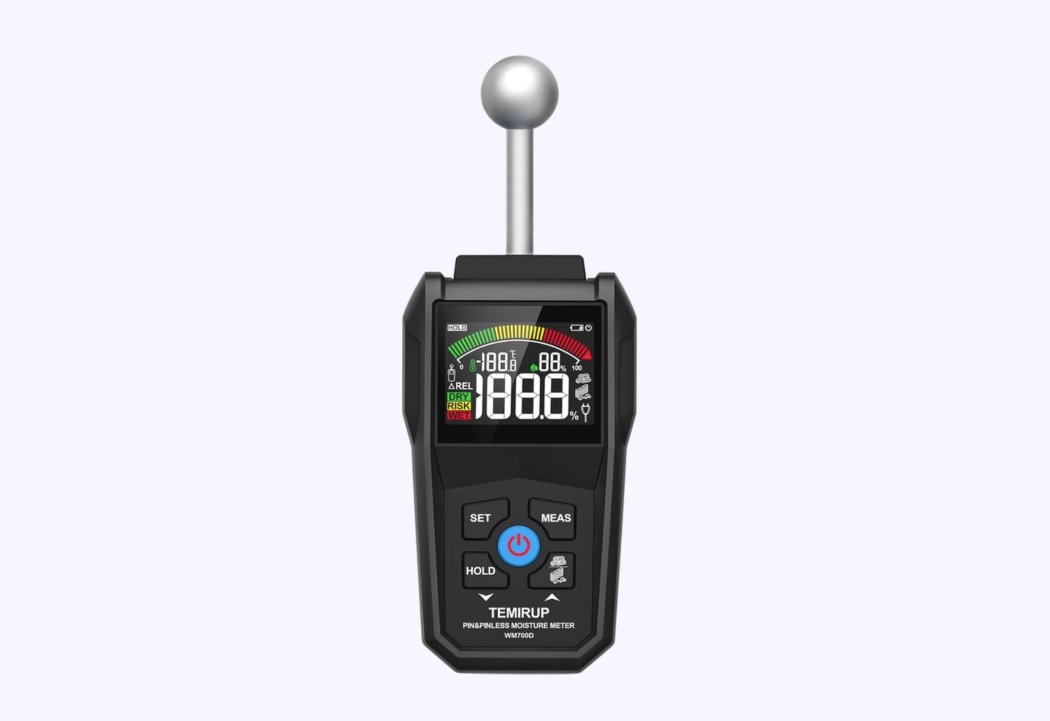
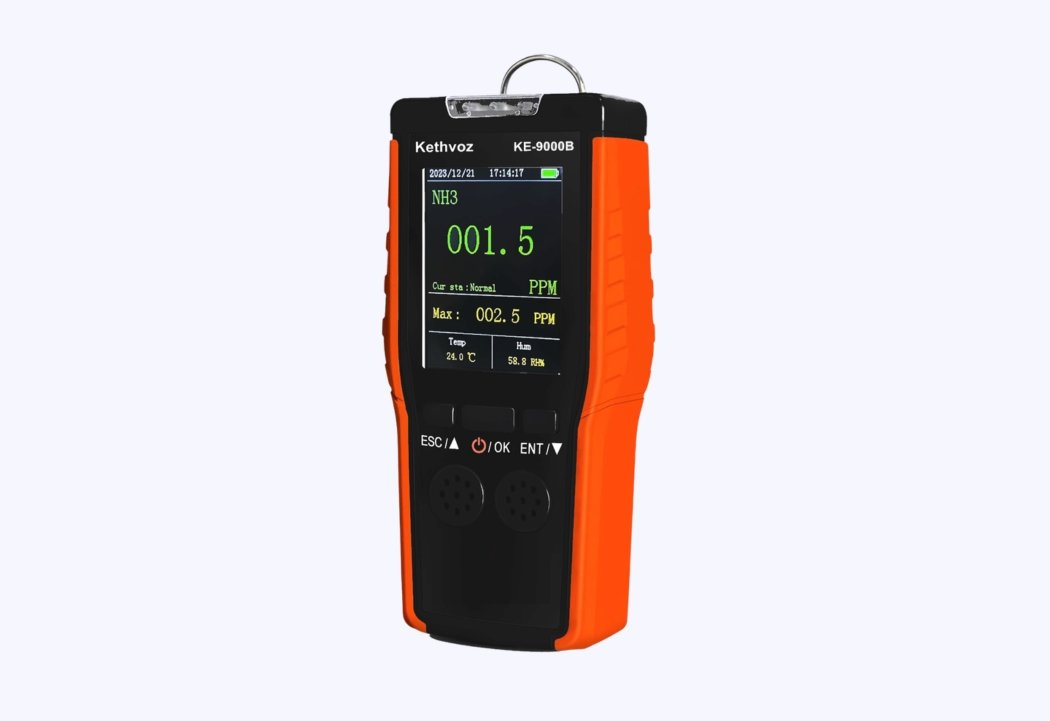
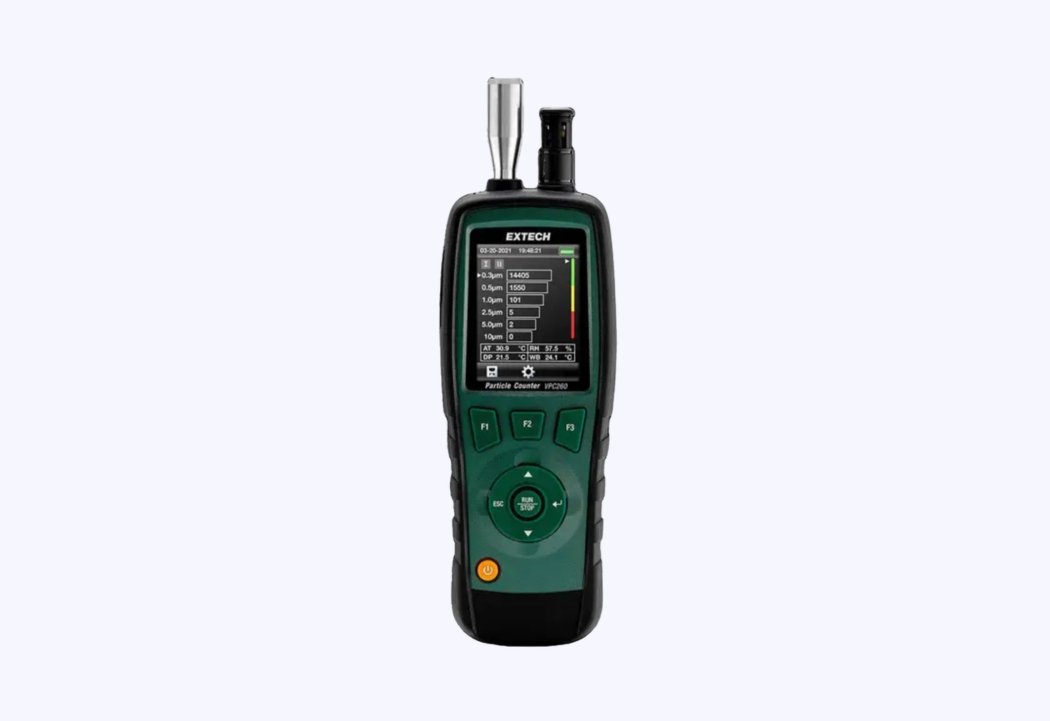
- Internal wall moisture readings averaged approximately 10%, falling squarely within acceptable dry levels.
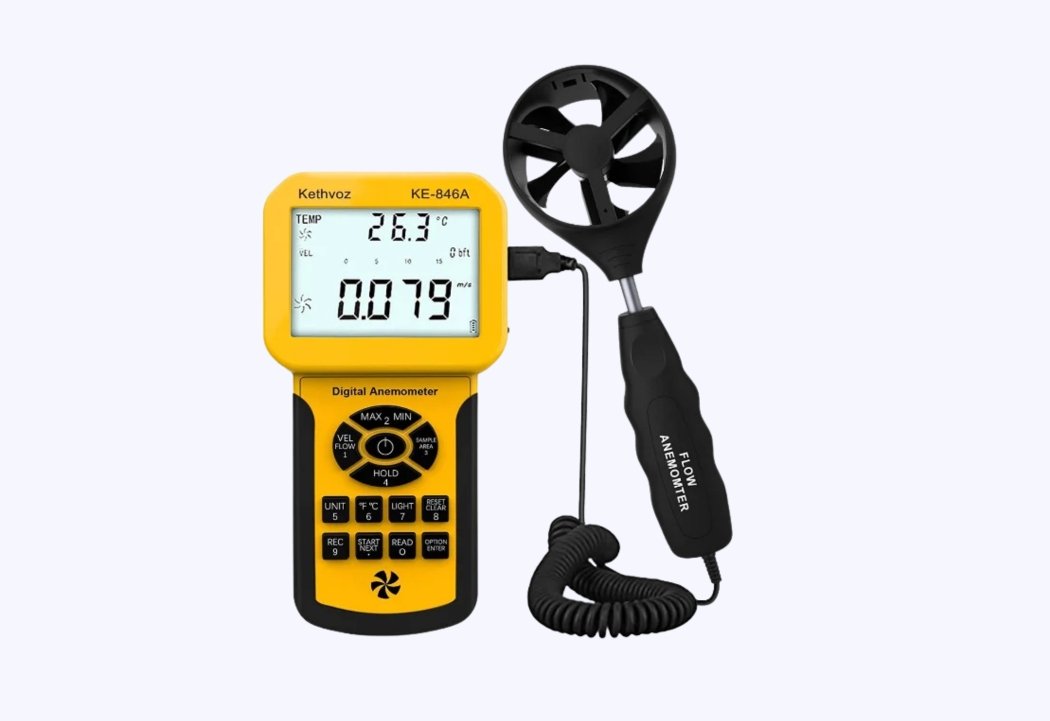
- Internal humidity registered at approximately 51%, confirming a normal and healthy indoor climate.
- Targeted checks beneath the windowsill confirmed no elevated moisture readings, proving the mark was historical.
- Structural timber checks confirmed no evidence of dry rot, wet rot, or woodworm infestation.
Plumbing checks showed no active leaks. External brickwork and render remained in good condition. In the loft, the roof structure proved watertight and ventilated, despite age-related deterioration of the roofing felt. Though no visible damp proof course (DPC) was identified, no rising damp was present internally. Surface staining on the rear flat roof indicated water pooling, yet internal ceilings beneath showed no signs of moisture ingress.
The Solution
With the assessment confirming a clean bill of health in relation to damp, no damp proofing intervention was needed. The report specified a clear preventative maintenance strategy:
- Install chimney caps to prevent rainwater ingress through the open chimney stack.
- Clean existing guttering to facilitate efficient rainwater discharge.
- Monitor flat roof pooling and improve drainage if required in the future.
- Carry out ongoing general roof maintenance over time.
The Outcome
The property owner gained absolute clarity that their house was dry and structurally healthy. They saved money by ruling out costly damp proofing installations and focusing purely on routine exterior care.
Why This Case Matters
Missing visible DPCs or minor roof pooling often prompt sales-driven contractors to recommend full wall re-plastering and chemical injections. Independent specialist inspections rely on quantitative moisture testing to verify whether a building is performing correctly.