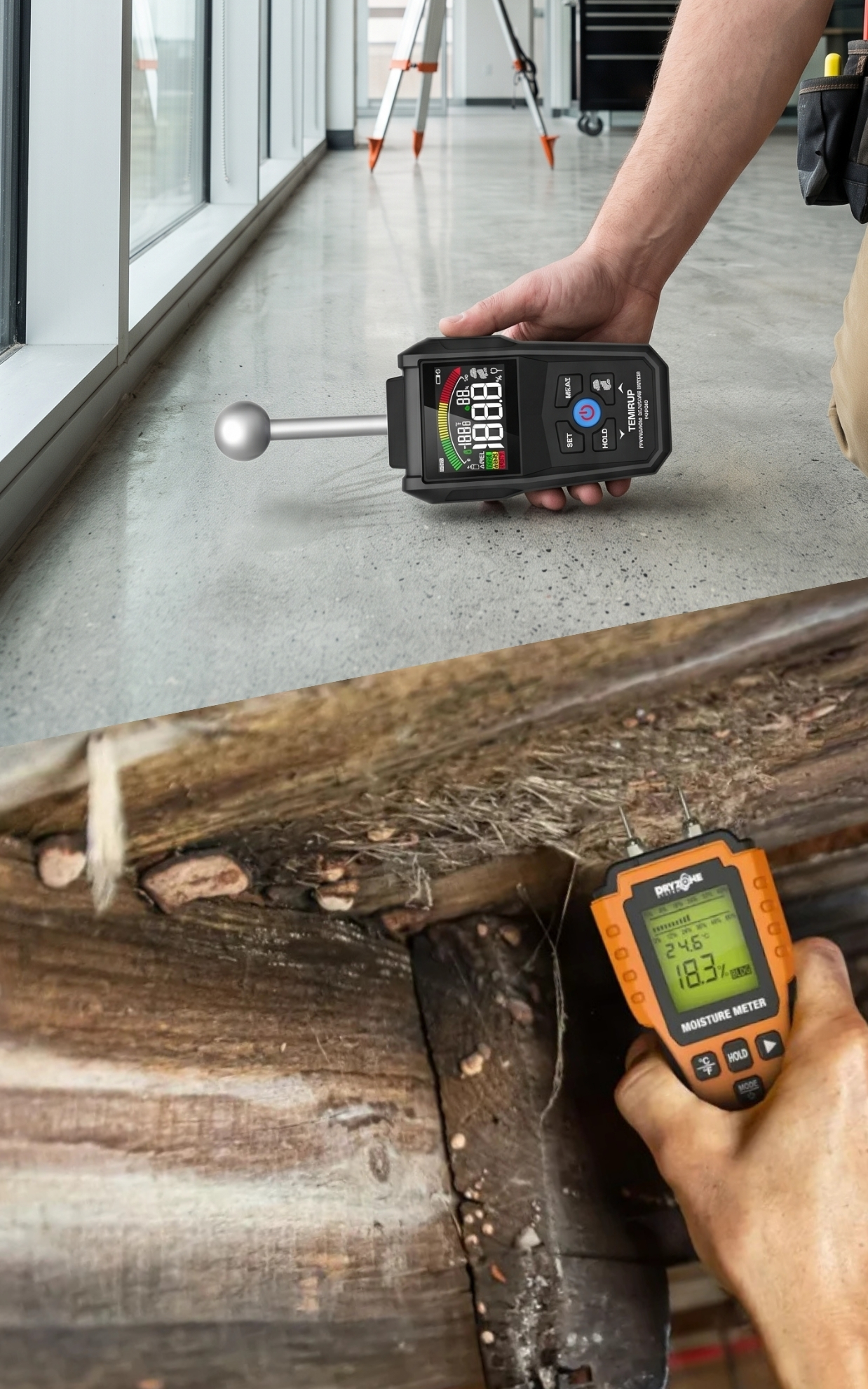
An independent Level 3 damp survey was carried out on a ground floor flat in Wimbledon (SW19). The property owner requested the survey to investigate severe water staining on the kitchen wall and chimney breast. The comprehensive check delivered an impartial, expert appraisal of the property’s overall condition.
About the Issue
Concerns arose after the homeowner identified low-level dampness around the kitchen cooker and at the bottom of the chimney breast. They feared that rising dampness was spreading through the foundations or that an upper flat plumbing leak was actively causing damage.
The Challenge
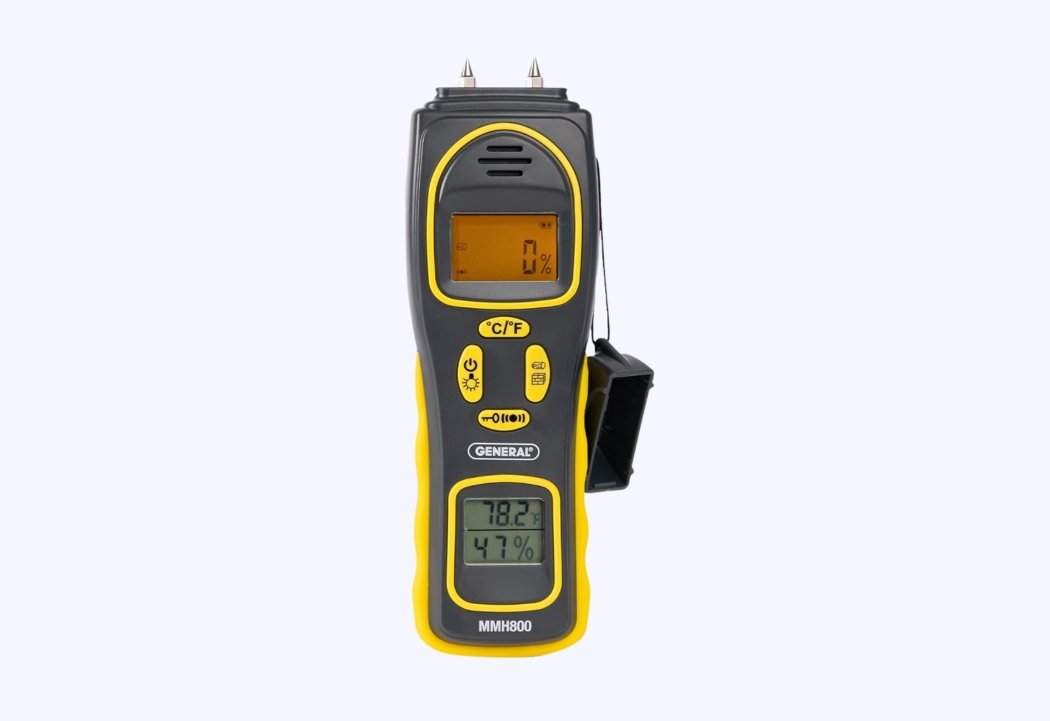
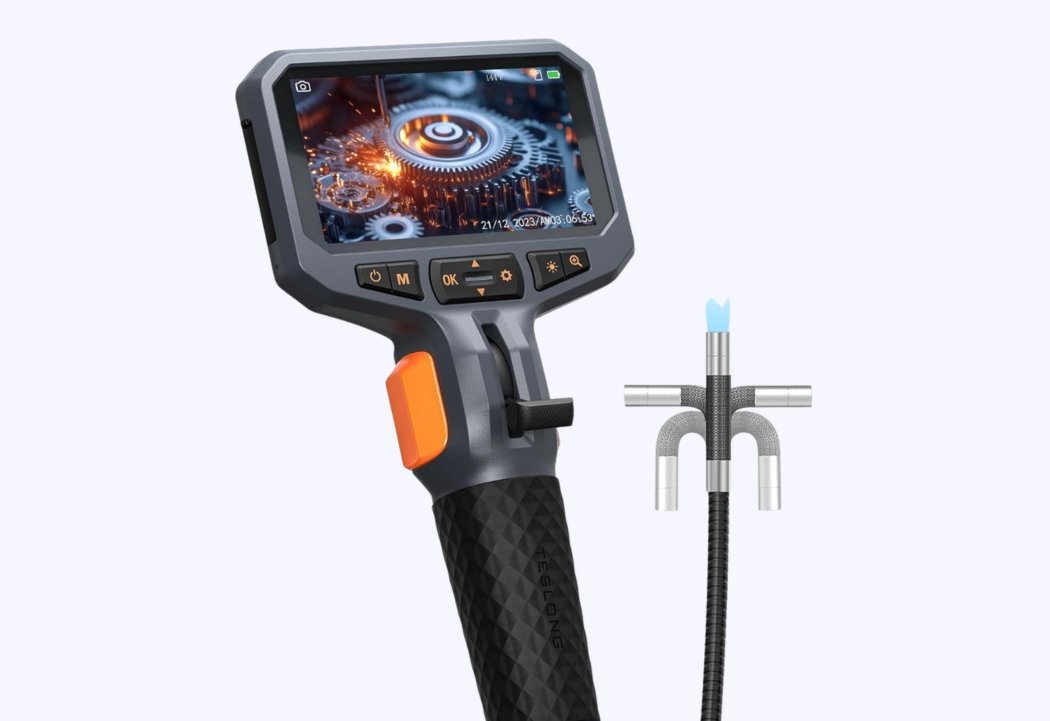
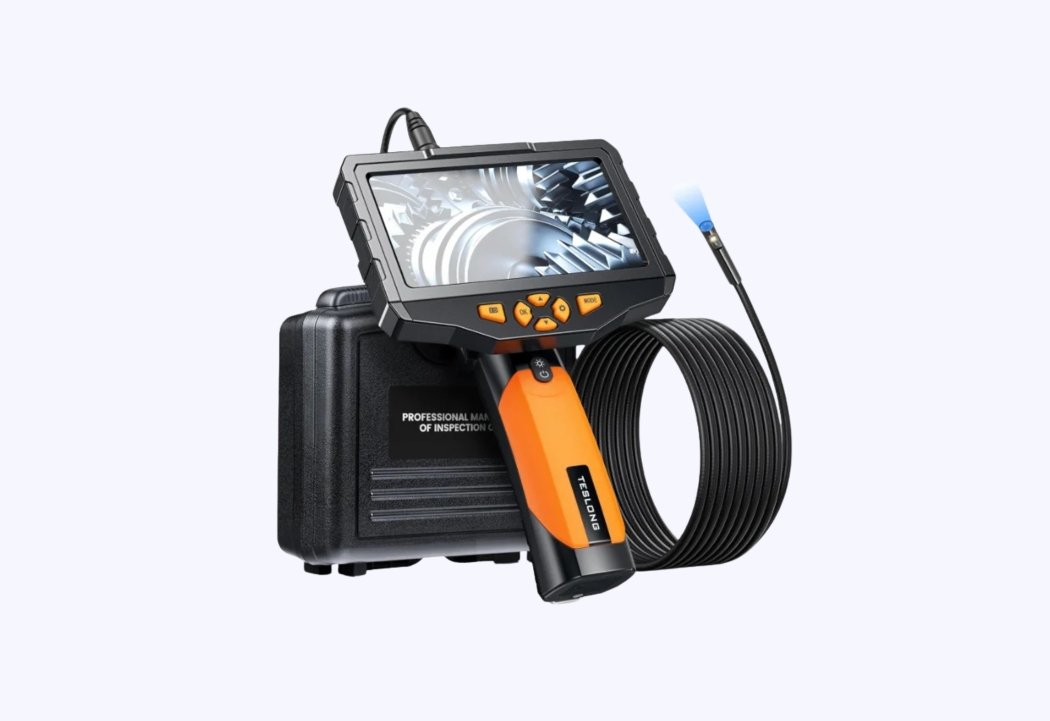
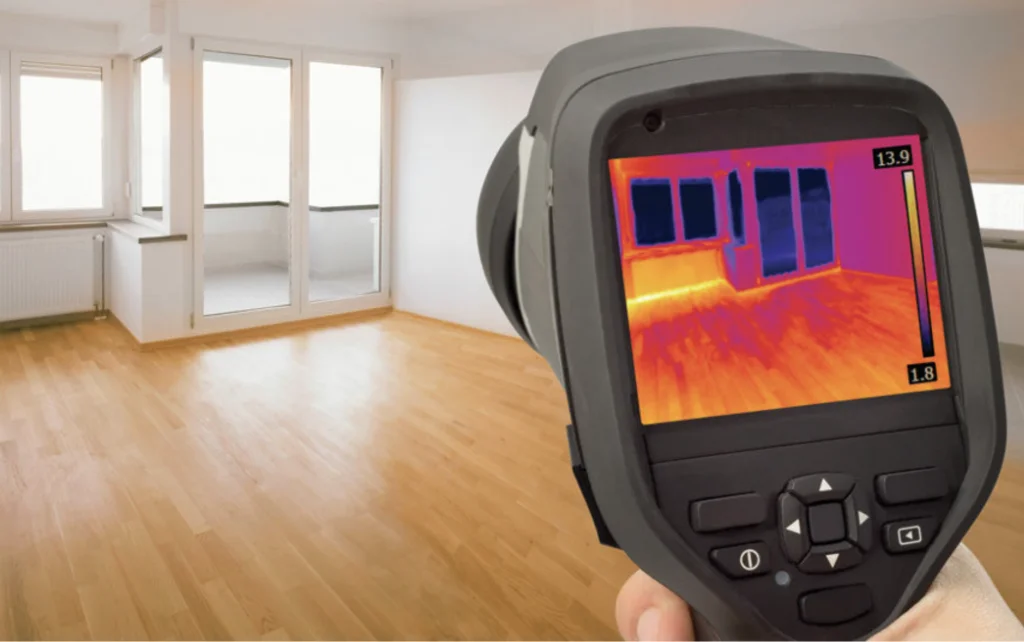
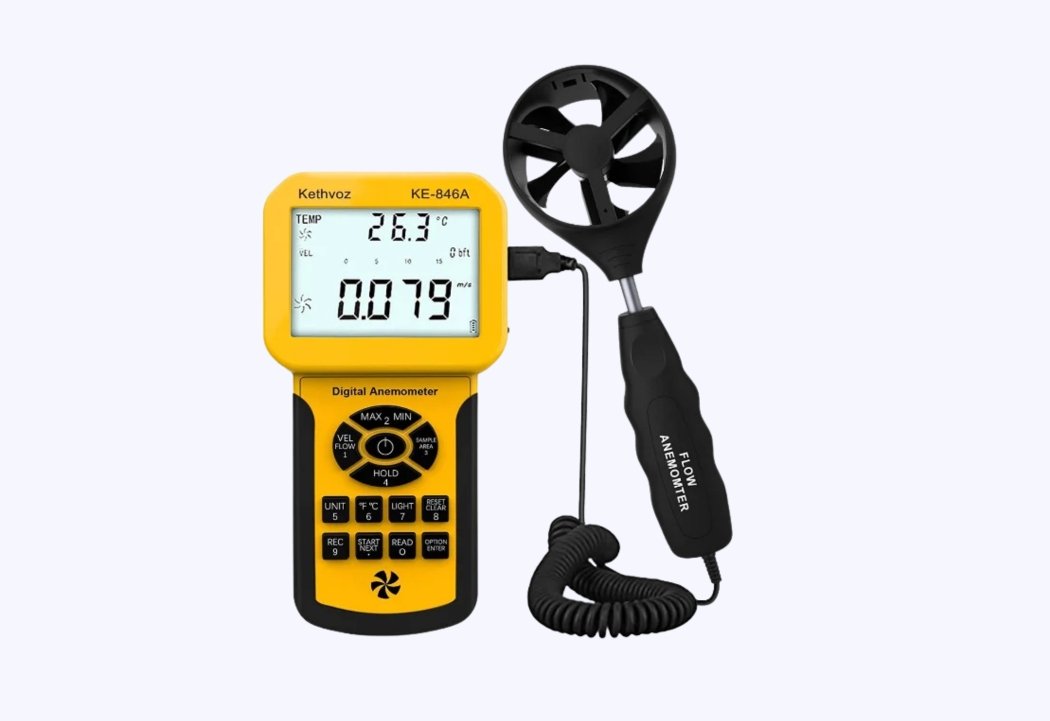
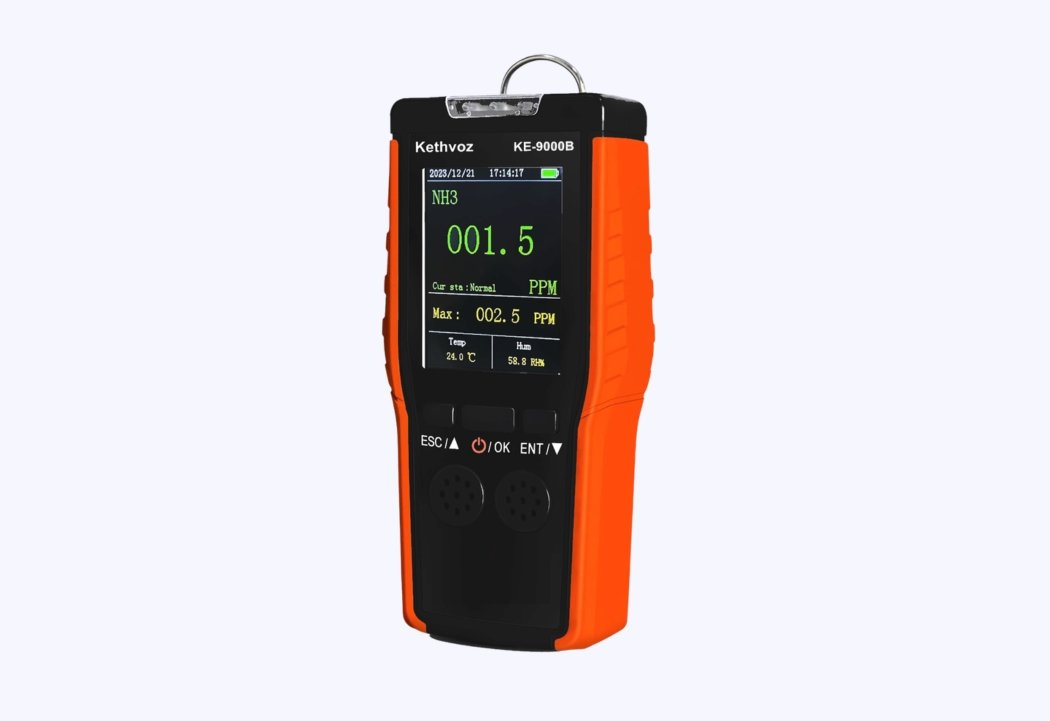
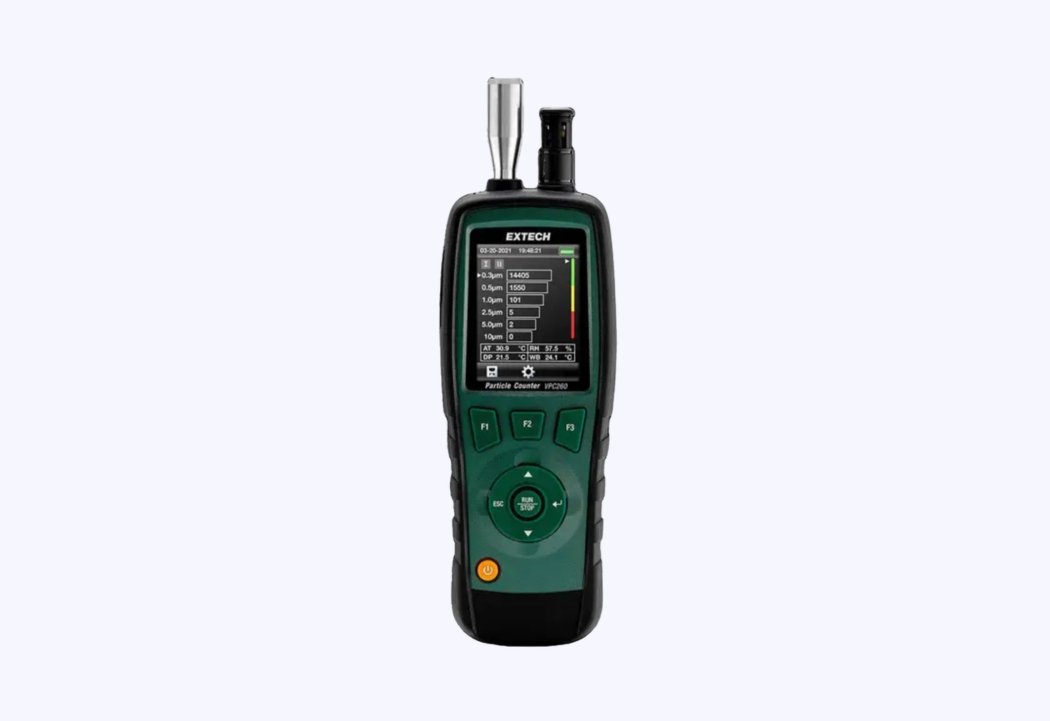
The inspection involved testing internal walls, measuring room microclimates, checking external staircases and inspecting high-level roof coverings via drone to trace the water pathway.
Key testing results and observations included:
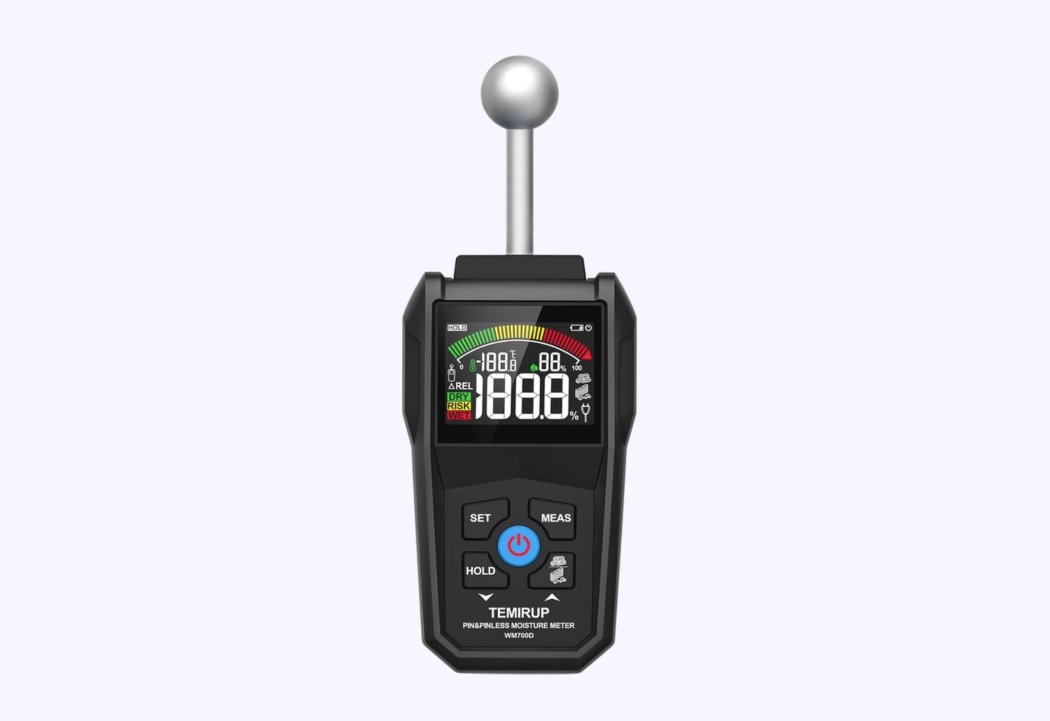
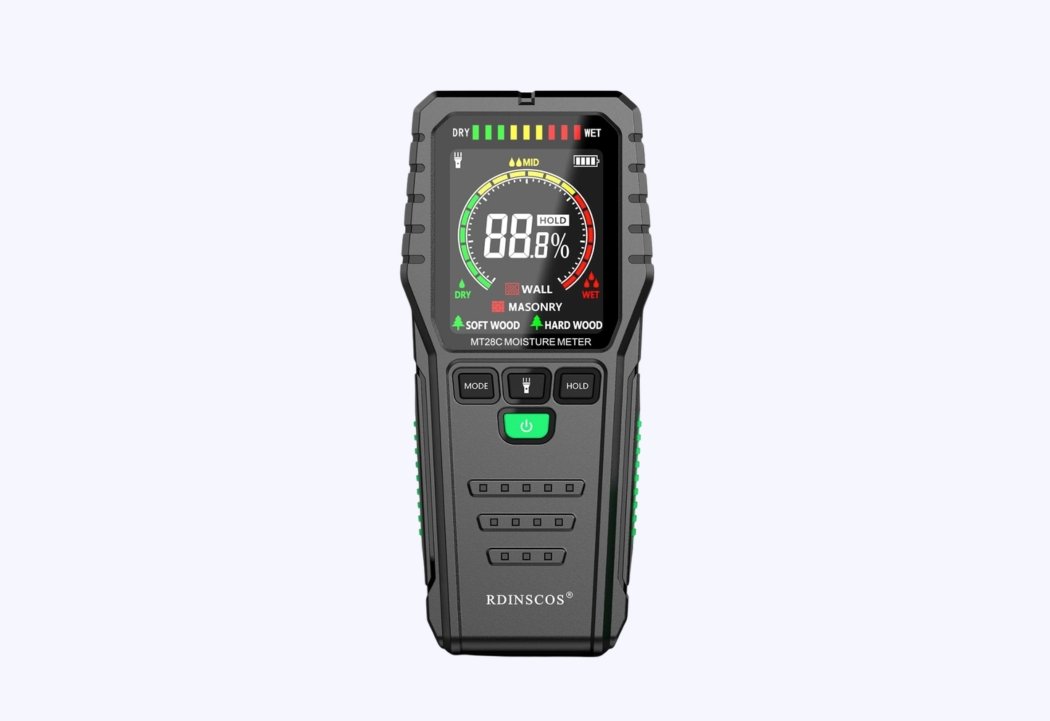
- Calibrated moisture meters confirmed high to very high moisture readings concentrated on the rear kitchen wall and the chimney breast base.
- Atmospheric testing recorded 52.5% relative humidity, ruling out high humidity or indoor condensation as a contributing factor.
- Physical checks of the upstairs flat’s kitchen, external plumbing and drainage confirmed sound conditions with zero active leaks.
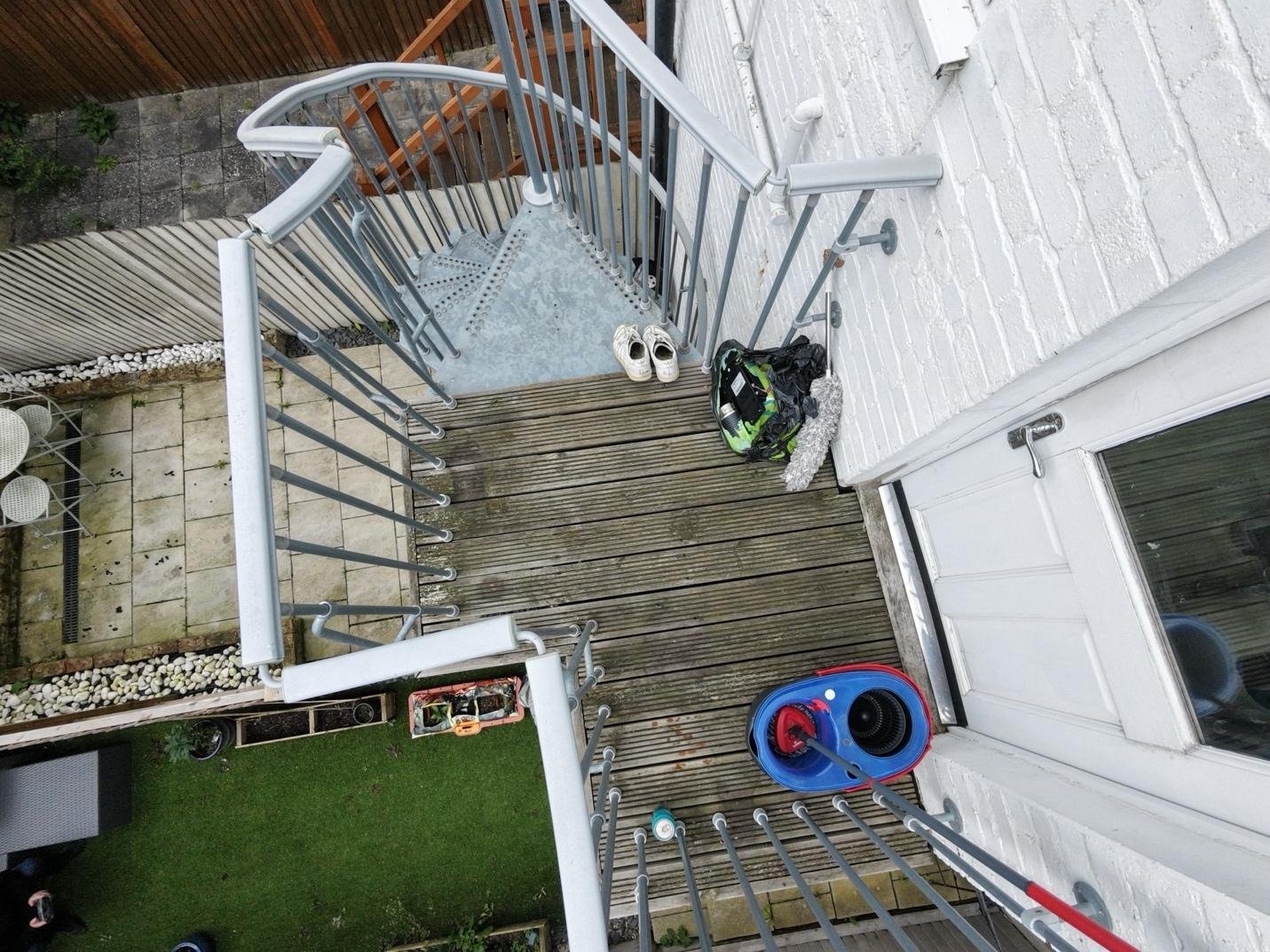
- Visual inspection of the external staircase serving the upper floor revealed compromised waterproofing from a previous, ineffective repair, allowing water to penetrate laterally into the kitchen.
- Drone inspection revealed missing chimney caps, explaining the vertical water ingress down the chimney stack.
- Checks on structural brickwork and pointing confirmed sound structural health.
The surveyor concluded that penetrating damp from the external staircase and roof-level chimney defects were the sole drivers of moisture in the flat.
The Solution
The report detailed a practical action plan to stop water ingress and restore the interior, quoted at £2,500 + VAT:
- Remove and refit the wood decking on the external staircase, applying a comprehensive liquid damp proof membrane (DPM) underneath to halt lateral water penetration.
- Install robust chimney caps on all roof pots to block rainwater entry.
- Install a ventilation grille into the ground floor chimney breast to assist airflow and accelerate the drying process.
- Allow the saturated kitchen and chimney masonry to dry naturally before proceeding with redecoration.
The Outcome
The homeowner received definitive proof that their property was structurally healthy and free from internal pipe leaks. Choosing an independent specialist survey saved them from unnecessary, expensive internal wall tanking, directing their budget strictly to verified exterior waterproofing and roof repairs.
Why This Case Matters
When water penetrates a kitchen wall from an adjoining external staircase, property owners often fear rising damp has compromised the DPC. Independent diagnostic surveys use systematic leak tracing to prove that lateral penetrating damp is the true cause, ensuring root causes are rectified without unneeded internal plastering.