This ground floor flat in Anerley (SE20) underwent a comprehensive Level 3 damp survey following reports of wall moisture across several rooms. The property owner commissioned an independent evaluation to identify the true cause of dampness. The assessment delivered an objective diagnostic report free from commercial sales bias.
About the Issue
The homeowner observed damp plaster in the bedroom, blistering paint along exterior kitchen walls and water marks in the bathroom. They requested an independent check to rule out dry rot or roof leaks before instructing repair trades.
The Challenge
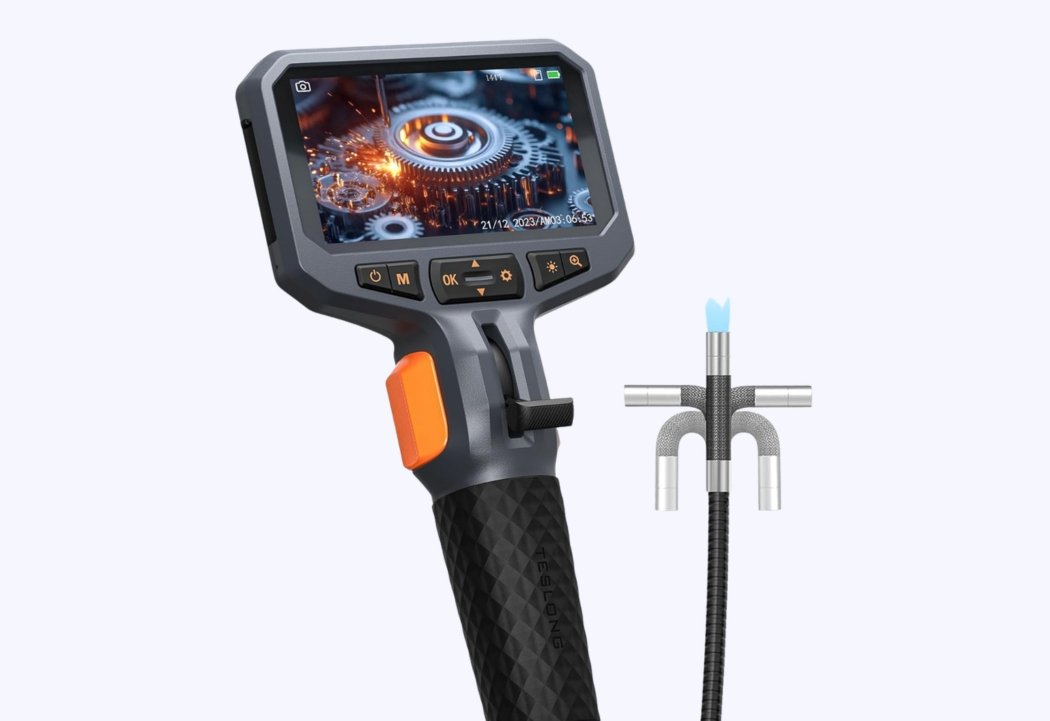
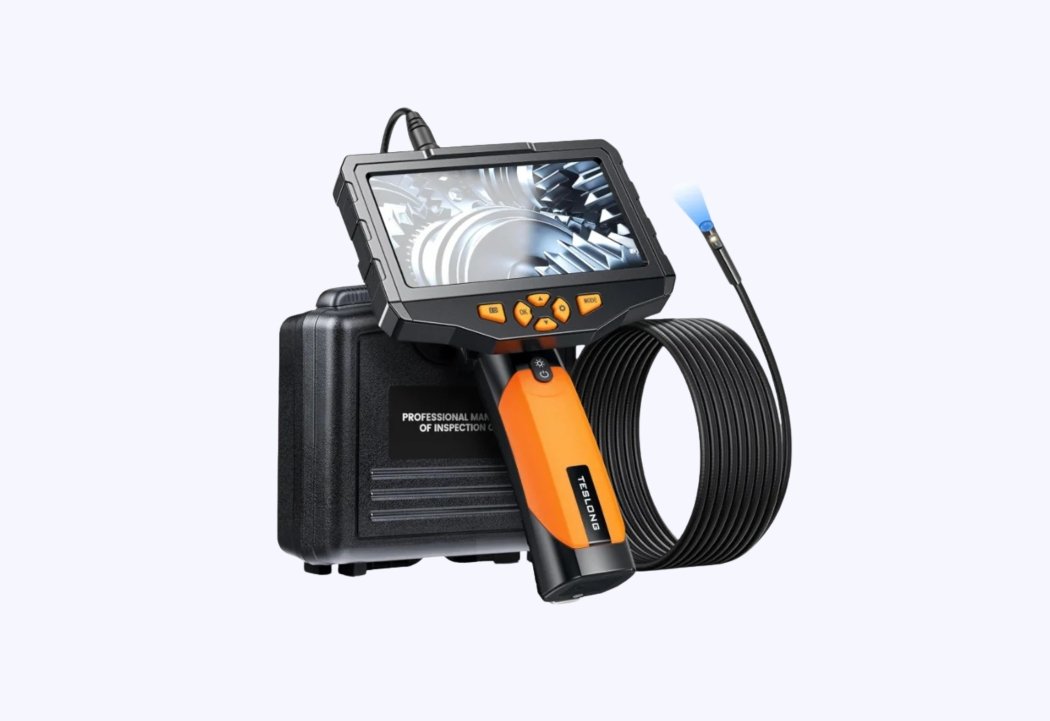
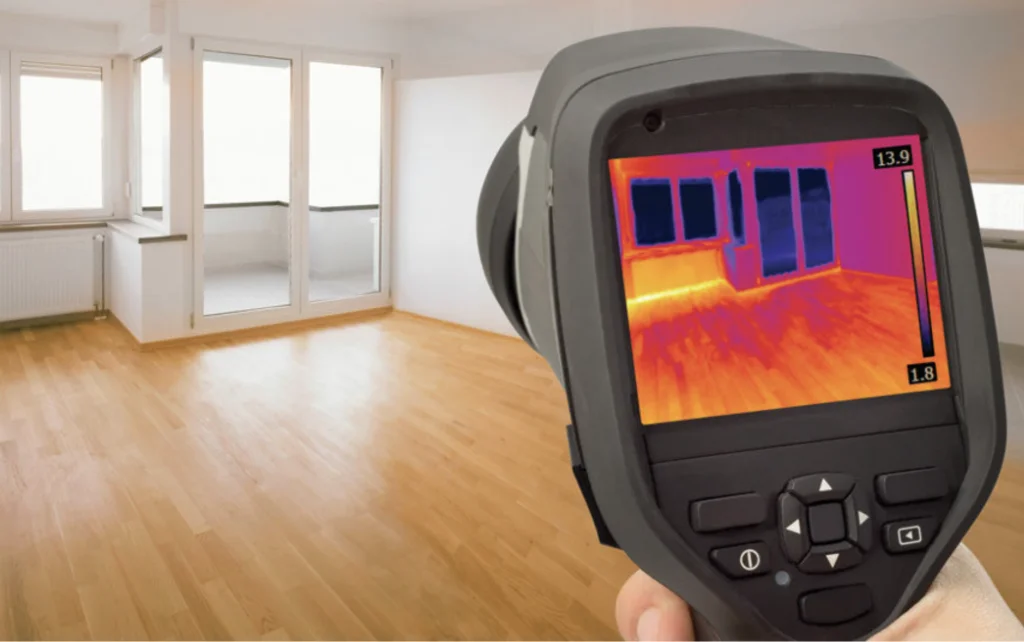
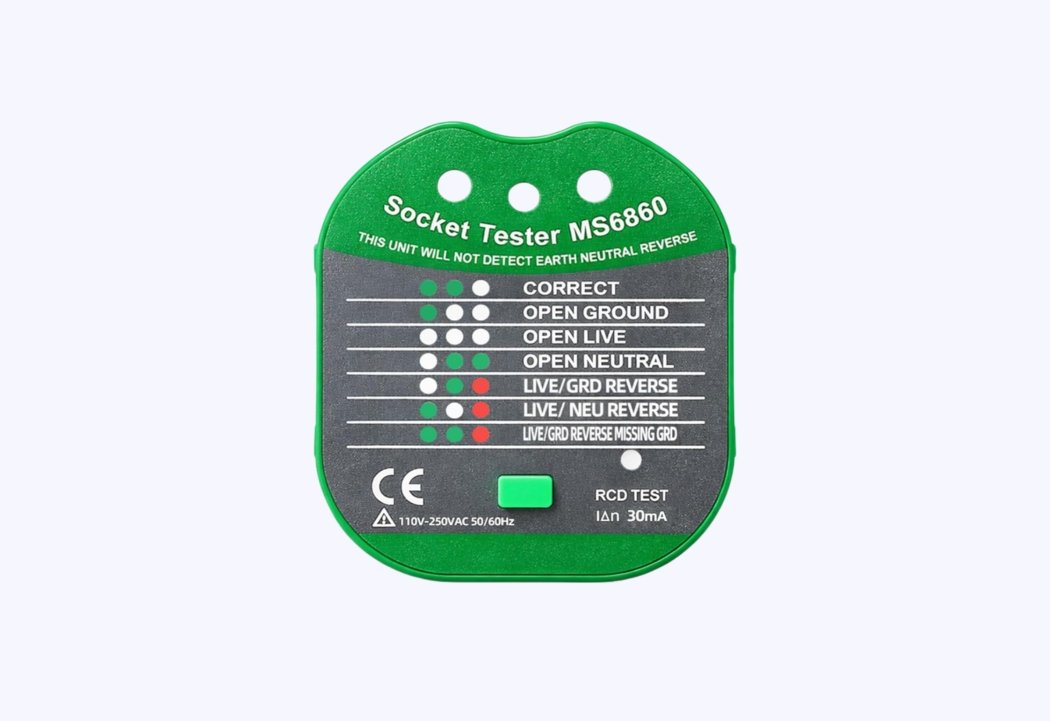
The Level 3 investigation evaluated internal rooms, thermal profiles, microclimate humidity levels, structural joinery, subfloor ventilation and roof coverings via drone.
Diagnostic testing produced clear factual results:
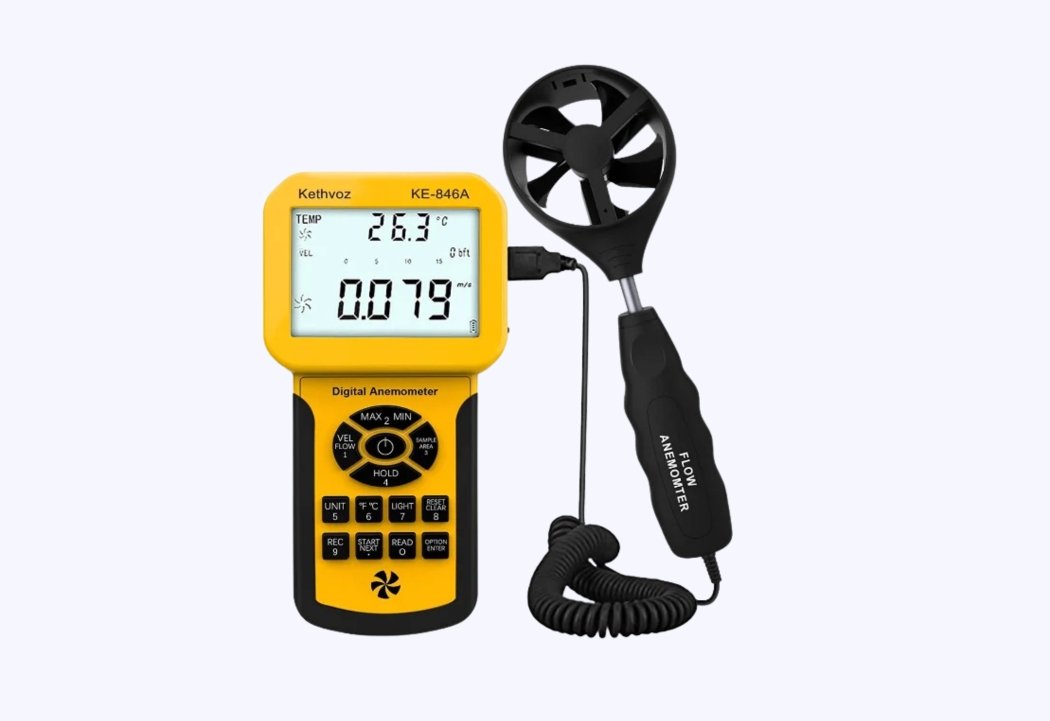
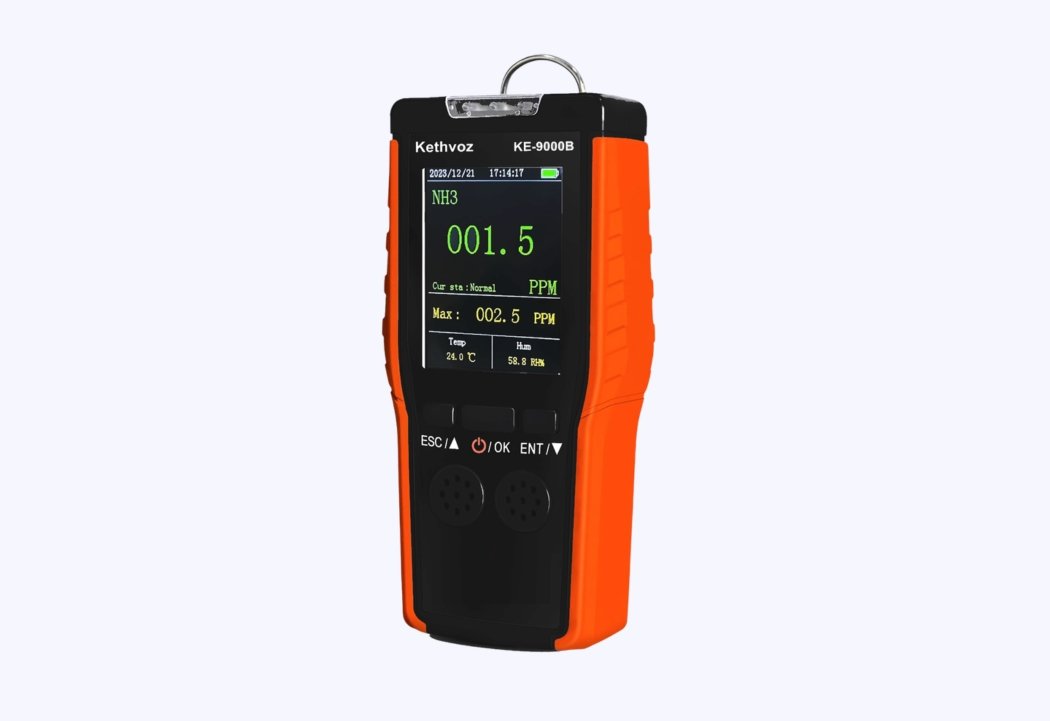
- Air humidity testing recorded 59.3% relative humidity with an ambient temperature of 19.7°C.
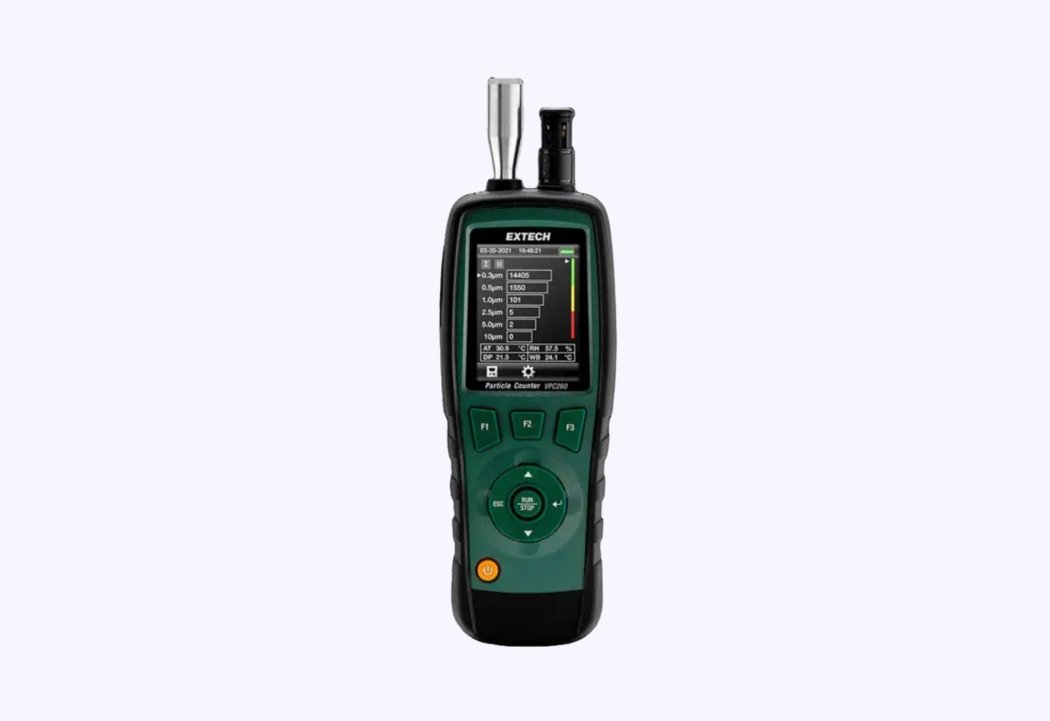
- Thermal imaging confirmed floor-to-ceiling moisture across two bedroom walls.
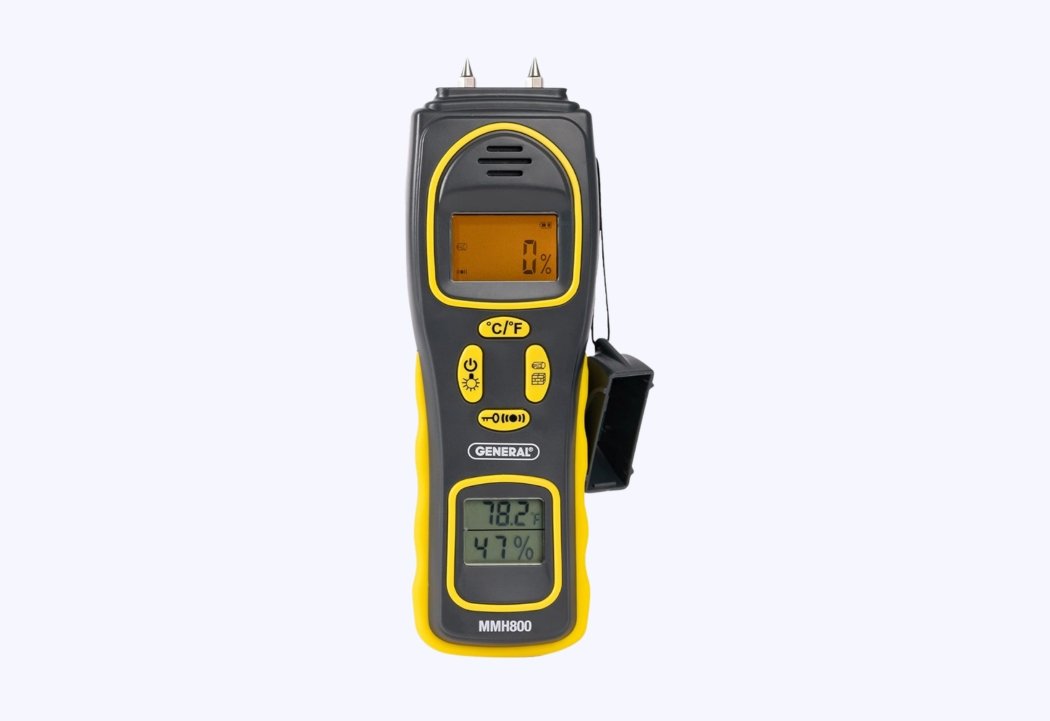
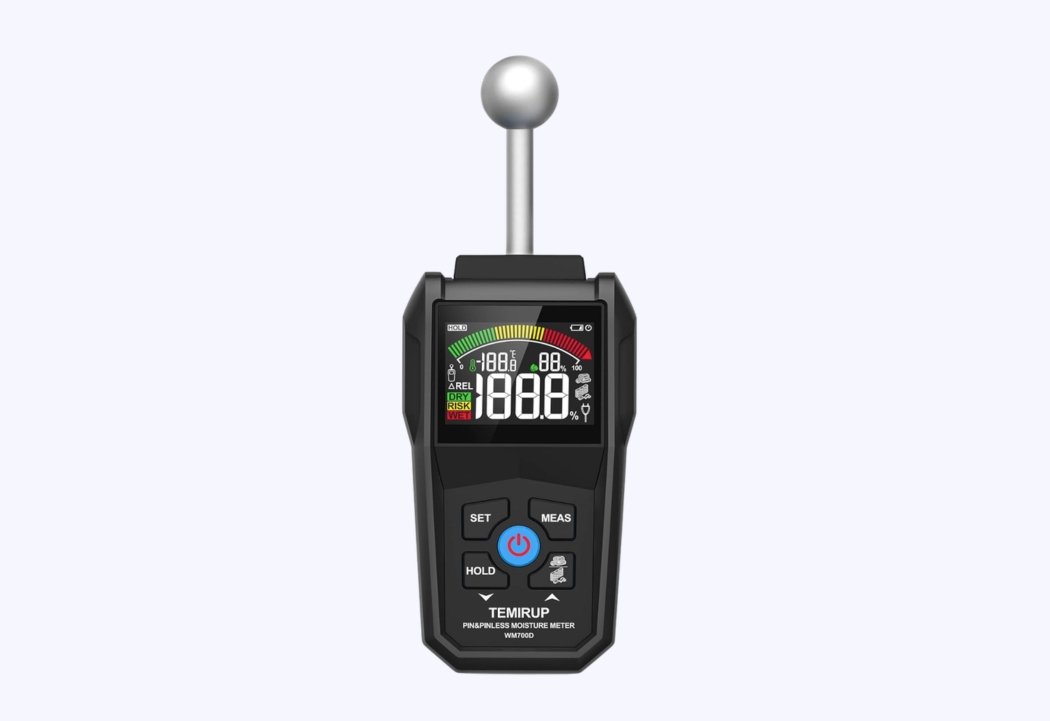
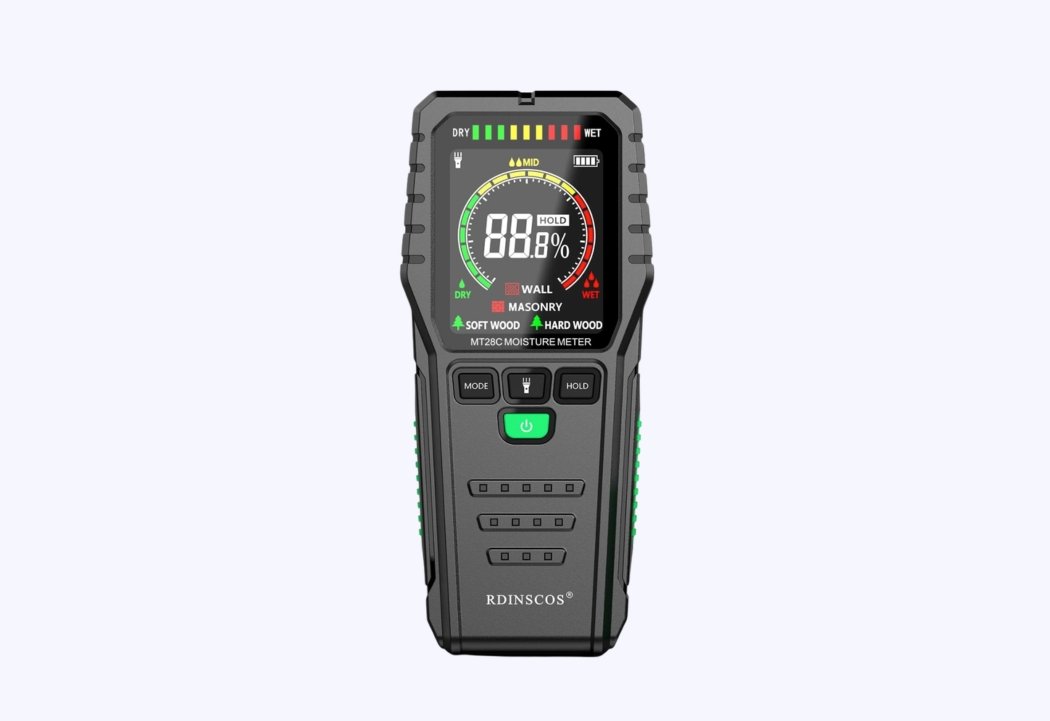
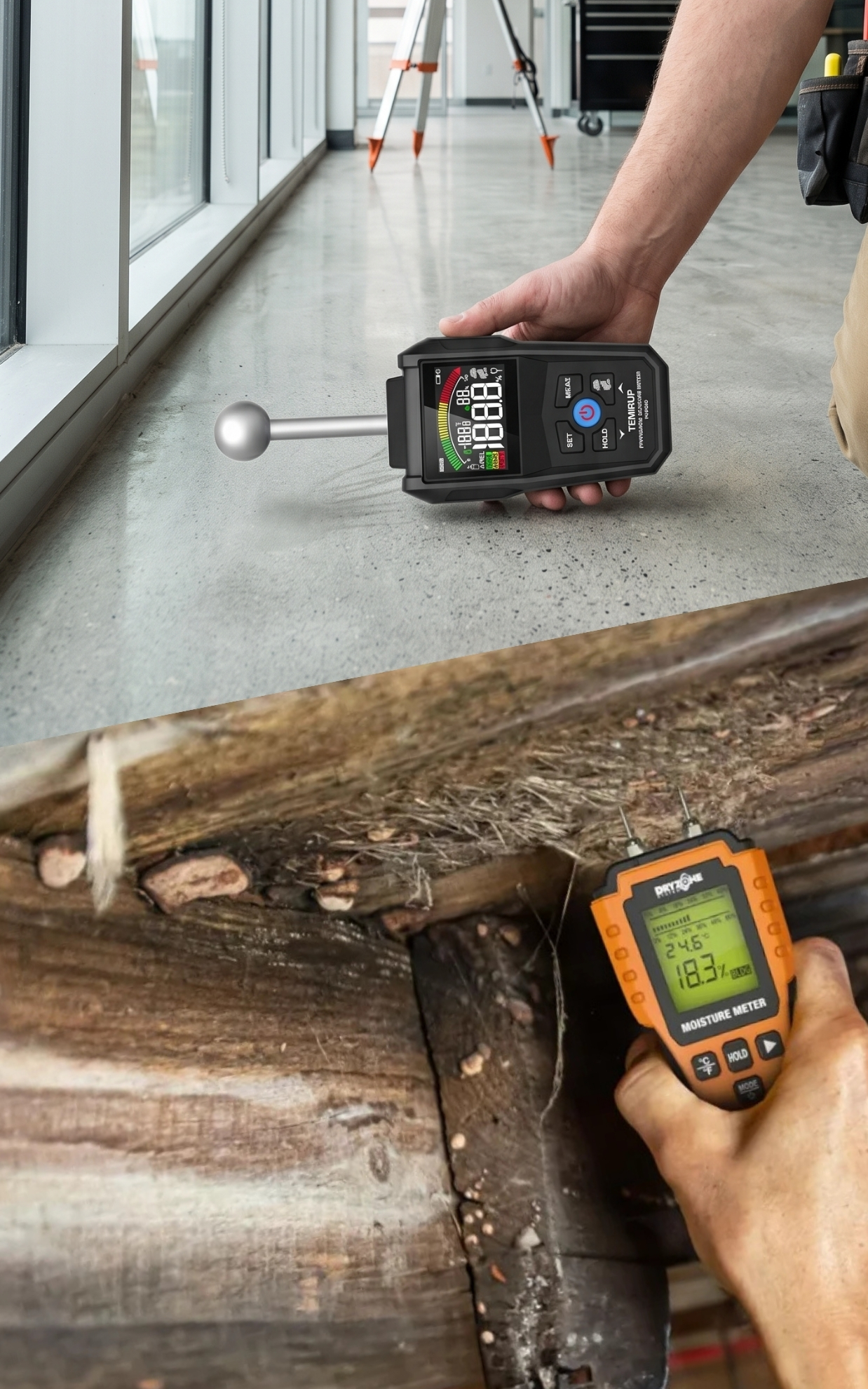
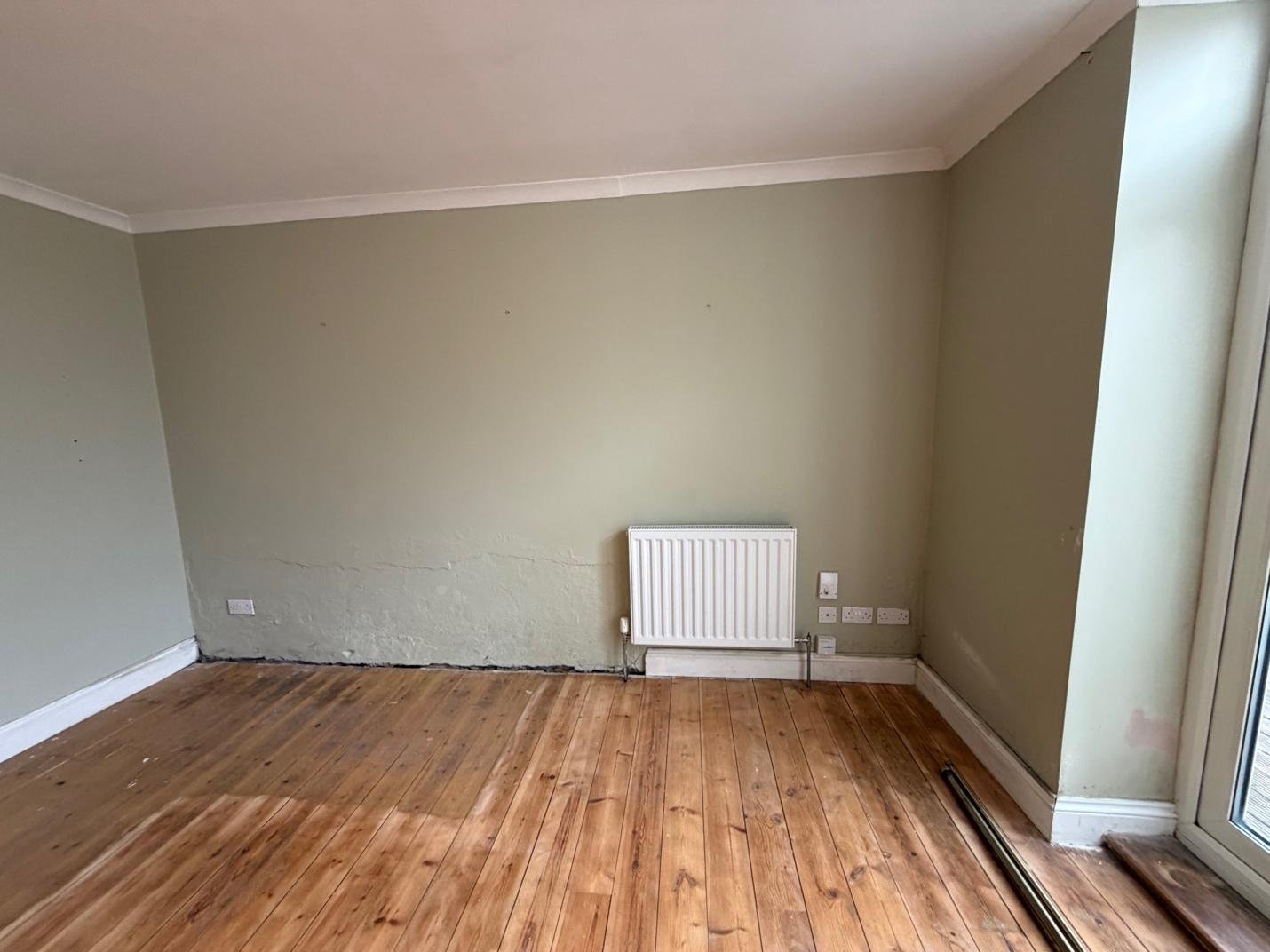
- Damp meter testing confirmed low-level rising damp on three exterior kitchen/dining walls due to an absent visible DPC and a defective external render plinth.
- Localised dampness near the bathroom window was traced to a suspected bath overflow leak.
- Drone photography confirmed the roof was watertight, extractor fan flow tests passed and structural timbers showed zero evidence of dry rot, wet rot, or woodworm.
The surveyor concluded that capillary moisture rise, thermal wall bridging and a bath leak were the sole defects affecting the flat.
The Solution
To eliminate moisture ingress and restore healthy living conditions, the survey outlined a clear remedial sequence fixed at £4,200 + VAT:
- Remove plaster to full height on two bedroom walls and install a thermal board insulation system.
- Strip plaster to 1.4 metres high on three exterior kitchen/dining walls, inject a chemical DPC, apply salt neutraliser, two coats of tanking slurry, two coats of Sika waterproof render and replaster smooth.
- Repair and smooth the external render plinth below the kitchen window and fit one external subfloor air vent.
- Repair the bath overflow leak in the bathroom.
- Safely unmount and reinstate radiators, plug sockets and light switches in work zones.
The Outcome
The survey gave the homeowner complete confidence regarding their building’s structural health. By establishing that the majority of the flat was completely dry, the independent report saved the owner from unnecessary whole-house damp treatments, directing resources toward targeted wall damp proofing and render plinth repairs.
Why This Case Matters
Independent damp diagnostics focus on identifying true root causes rather than selling proprietary systems. Differentiating between low-level capillary rising damp and floor-to-ceiling thermal moisture ensures property owners receive an accurate, dual-approach strategy that resolves both problems effectively.