An independent Level 3 damp survey was performed on a residential house in Bethnal Green (E2). The property owner requested the inspection to investigate wall mould and assess overall environmental air conditions across all floors. The comprehensive survey offered an impartial, evidence-based report.
About the Issue
The homeowner discovered mould forming on the wall of the first-floor front bedroom. Fearing that structural dampness or an active pipe leak was causing the damage, they requested an expert check to establish the root cause before carrying out redecoration.
The Challenge
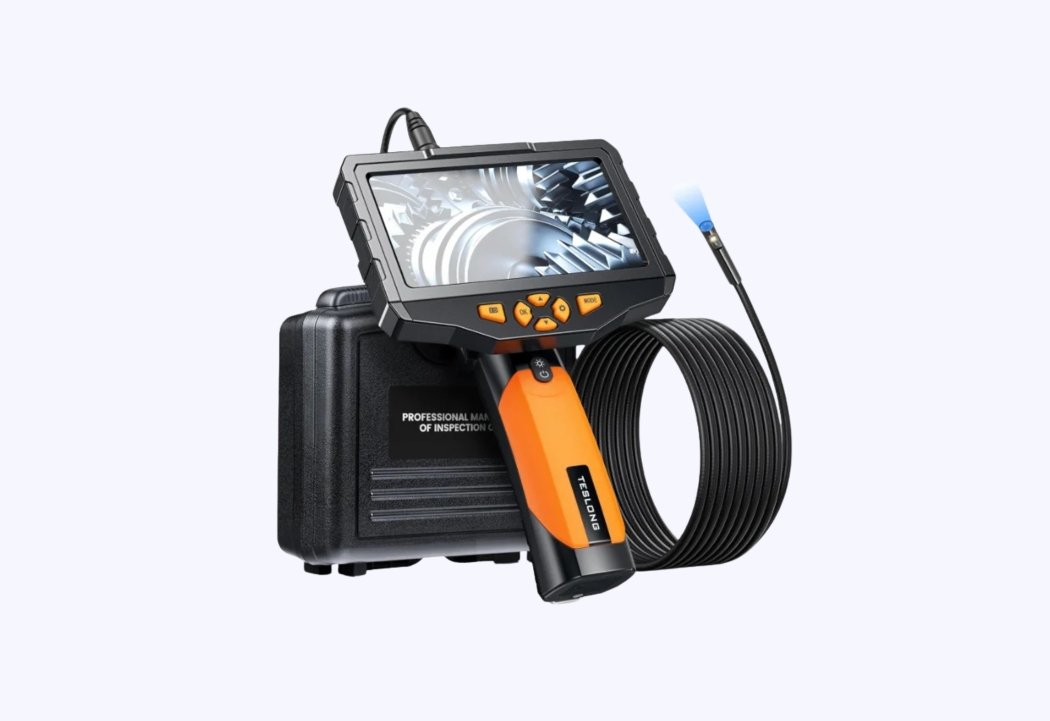
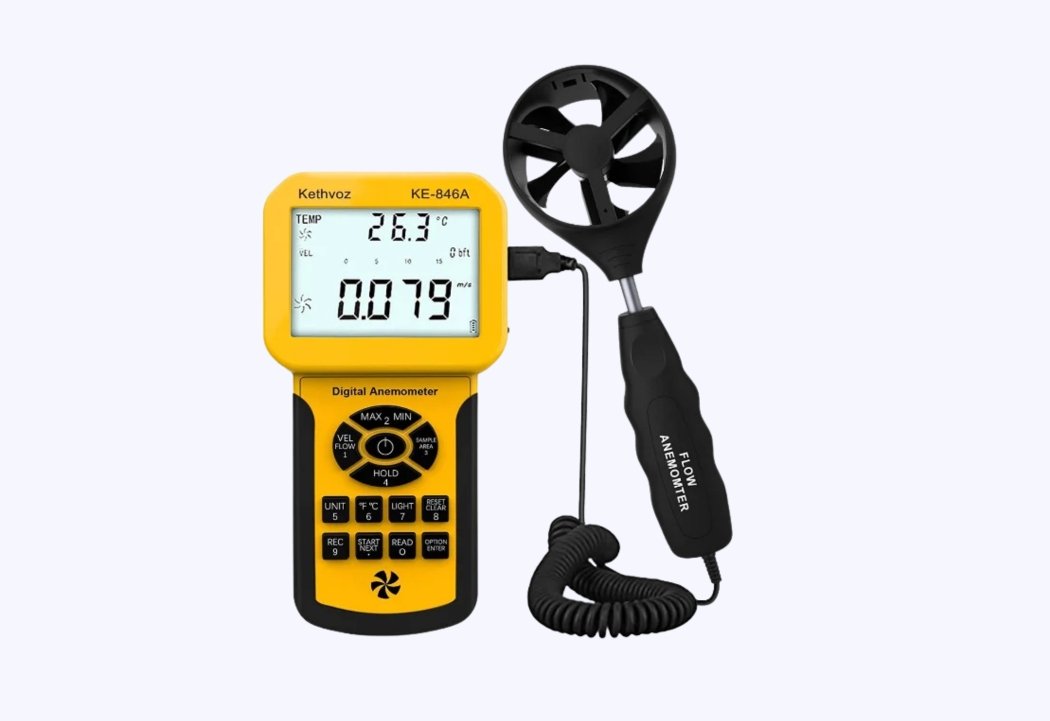
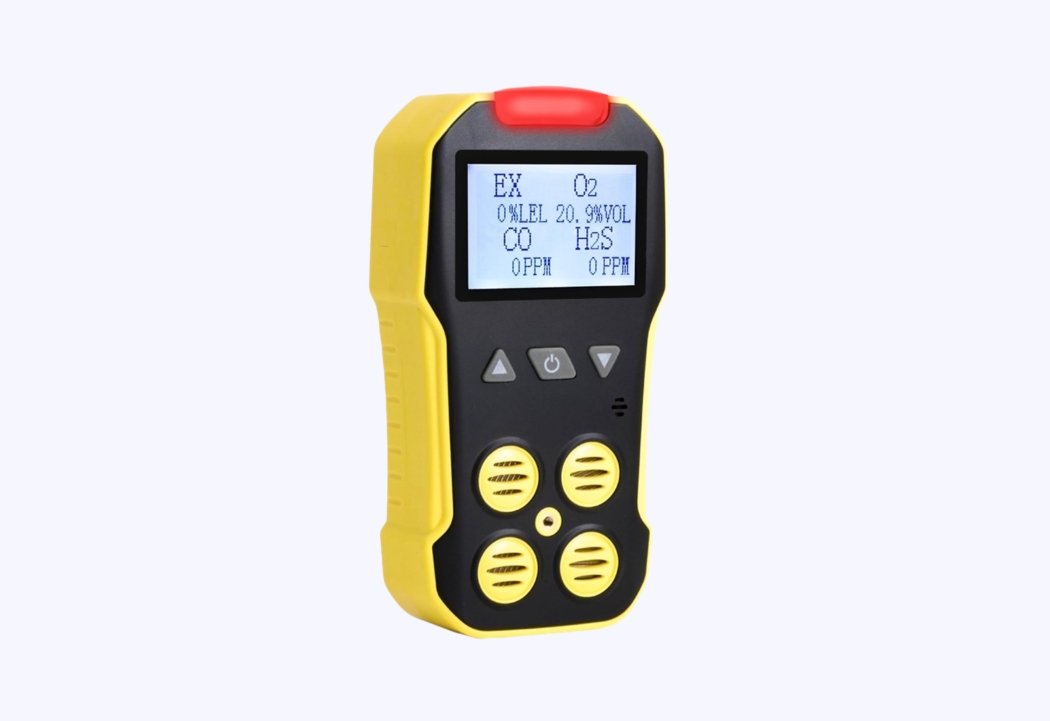
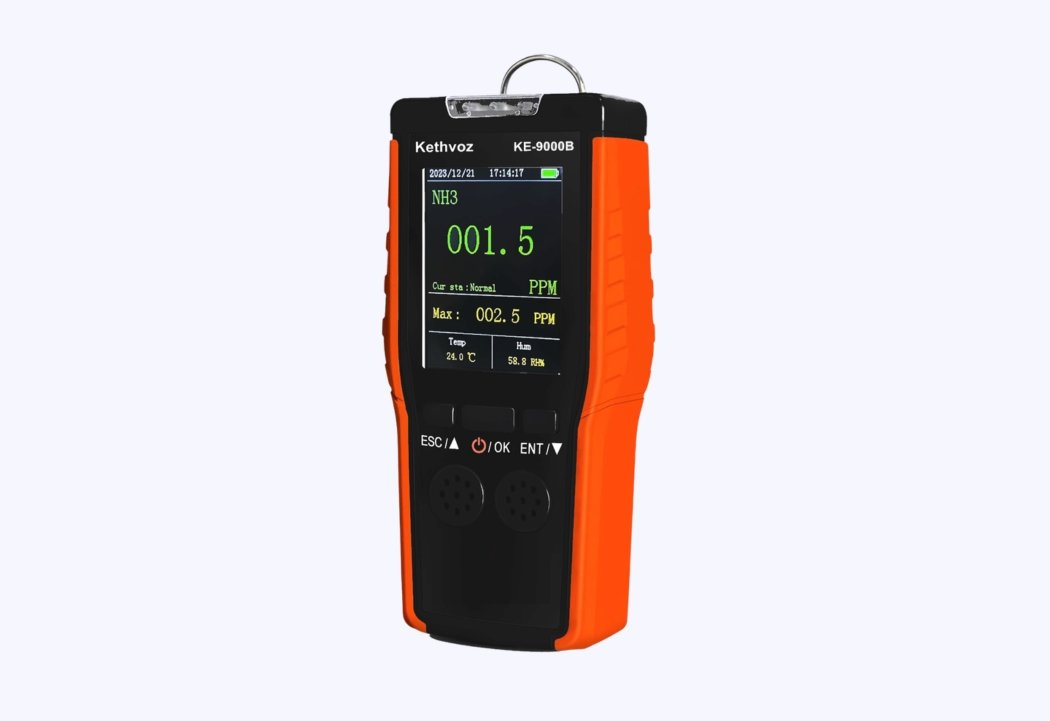
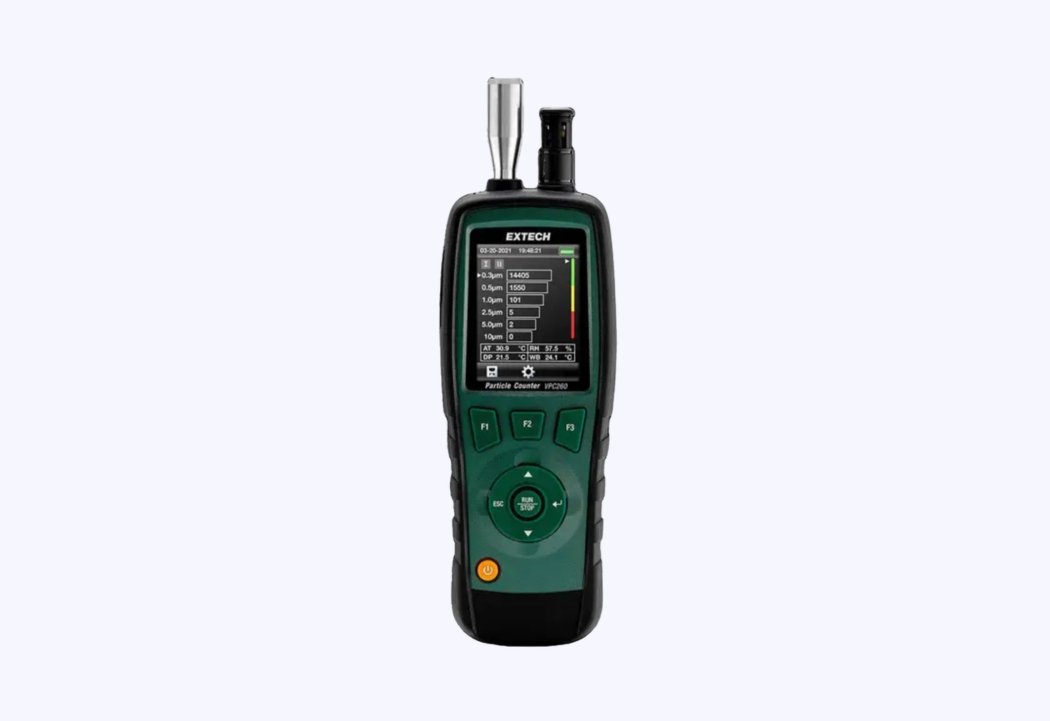
The surveyor executed a Level 3 investigation across all floors, testing wall moisture, atmospheric humidity, extractor fan performance, structural timbers and surface swabs.
The physical investigation established several key points:
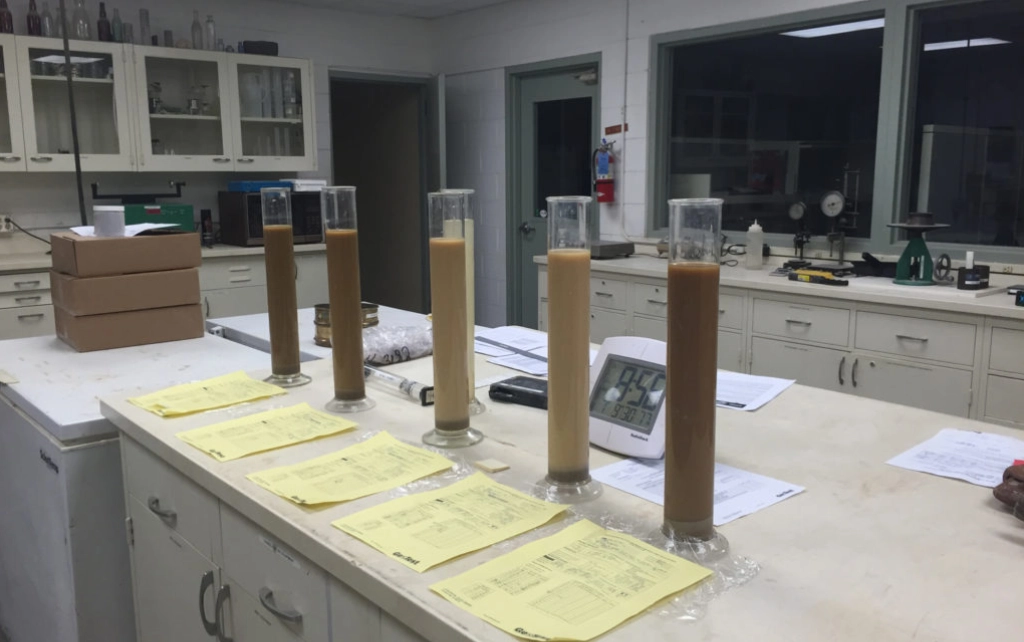
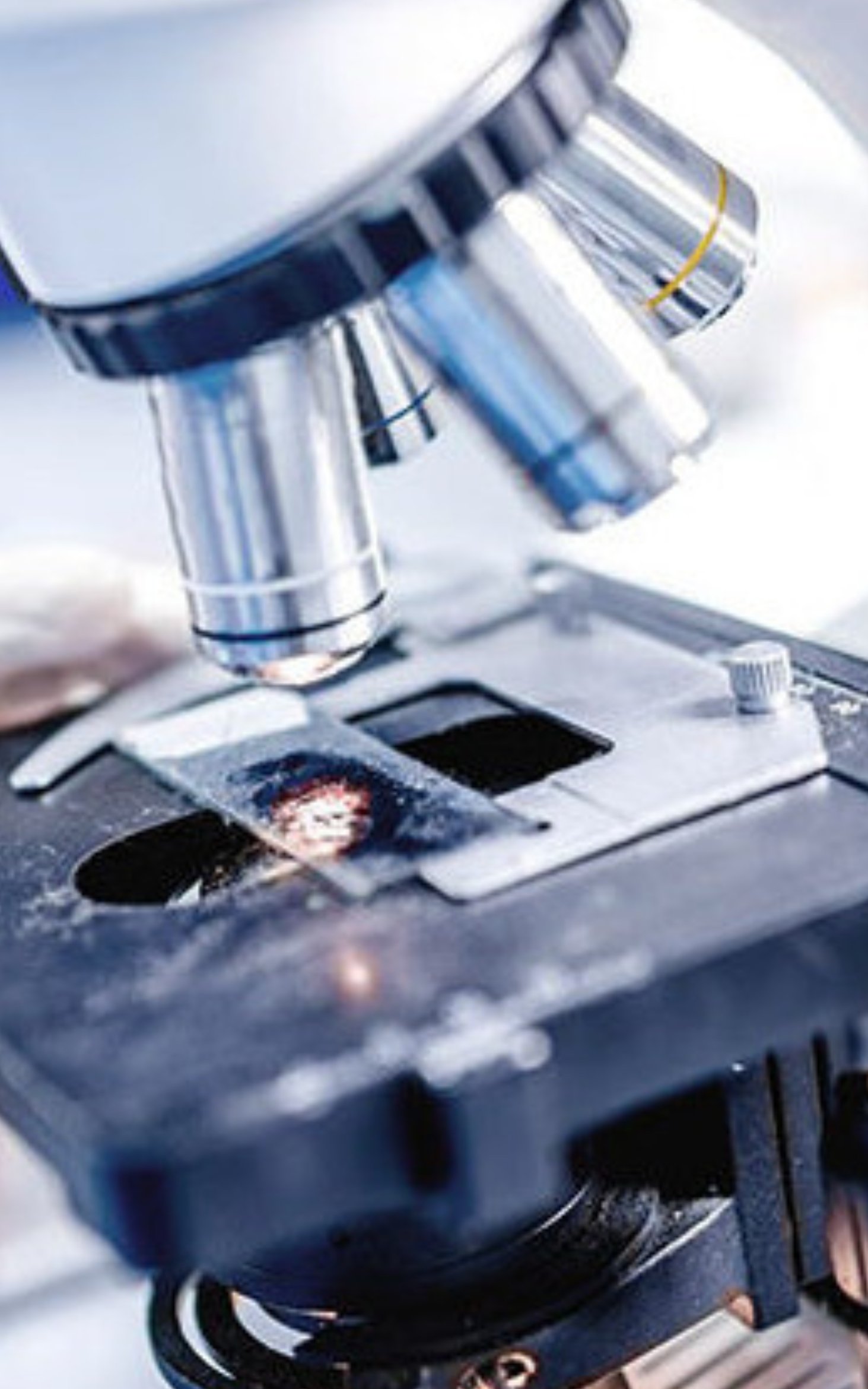
- Swab samples sent for qPCR DNA laboratory analysis confirmed the presence of Cladosporium, Aspergillus, Penicillium and Alternaria mould species.
- Internal air humidity was recorded as high throughout the house; while extractor fans in the two upper bathrooms operated correctly, the downstairs utility/washing machine room extractor fan was broken.
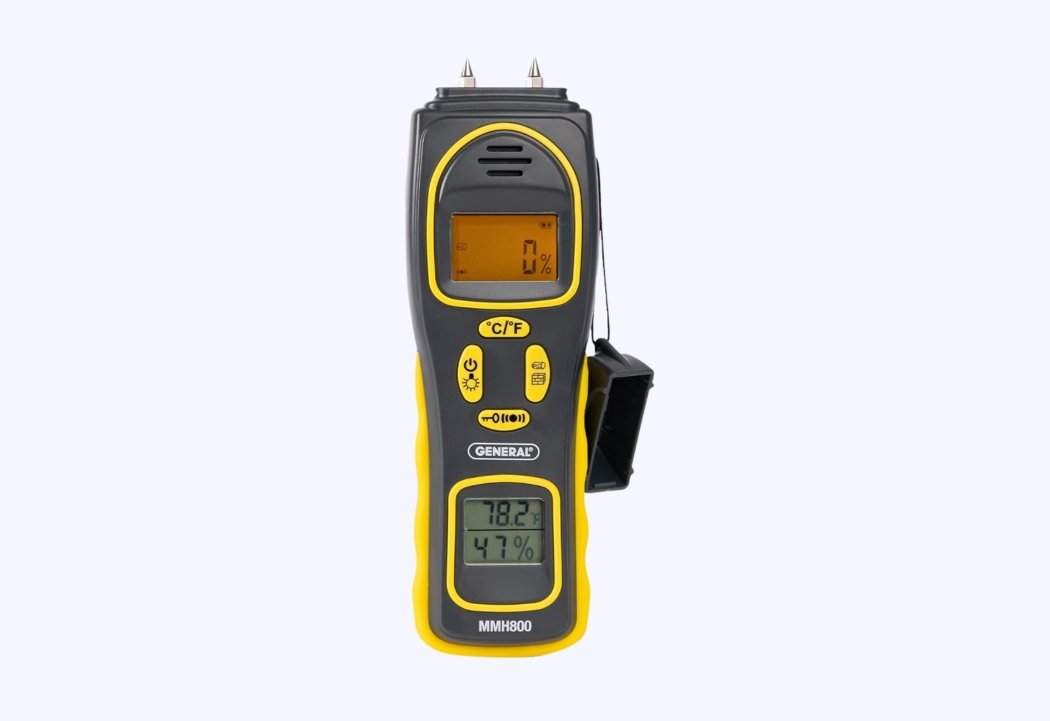
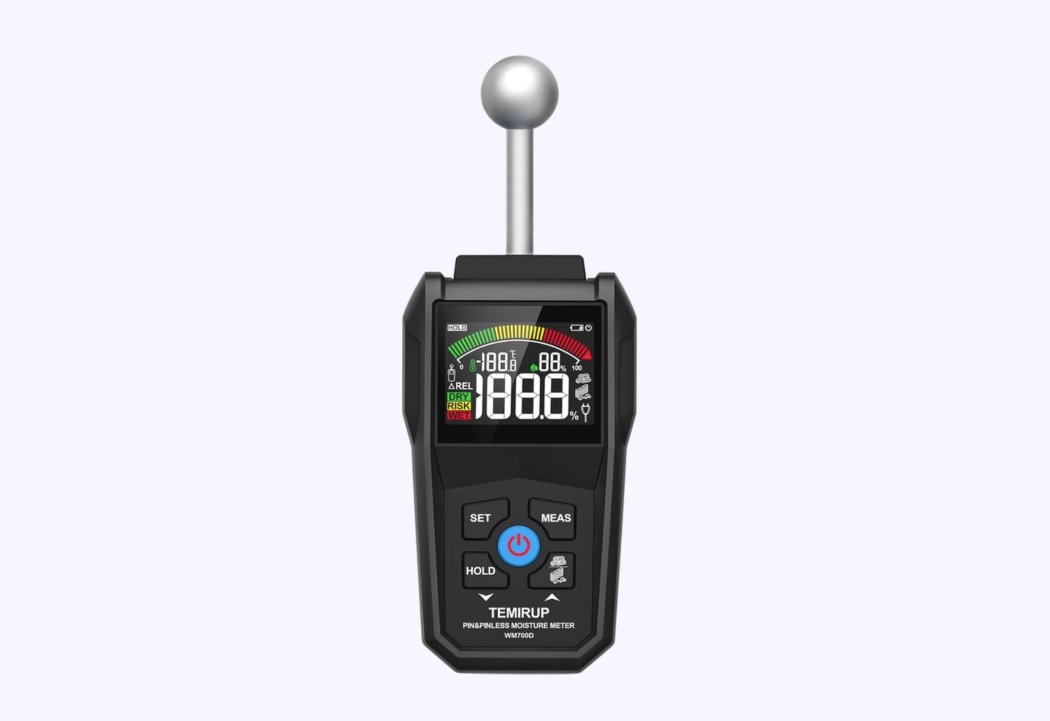
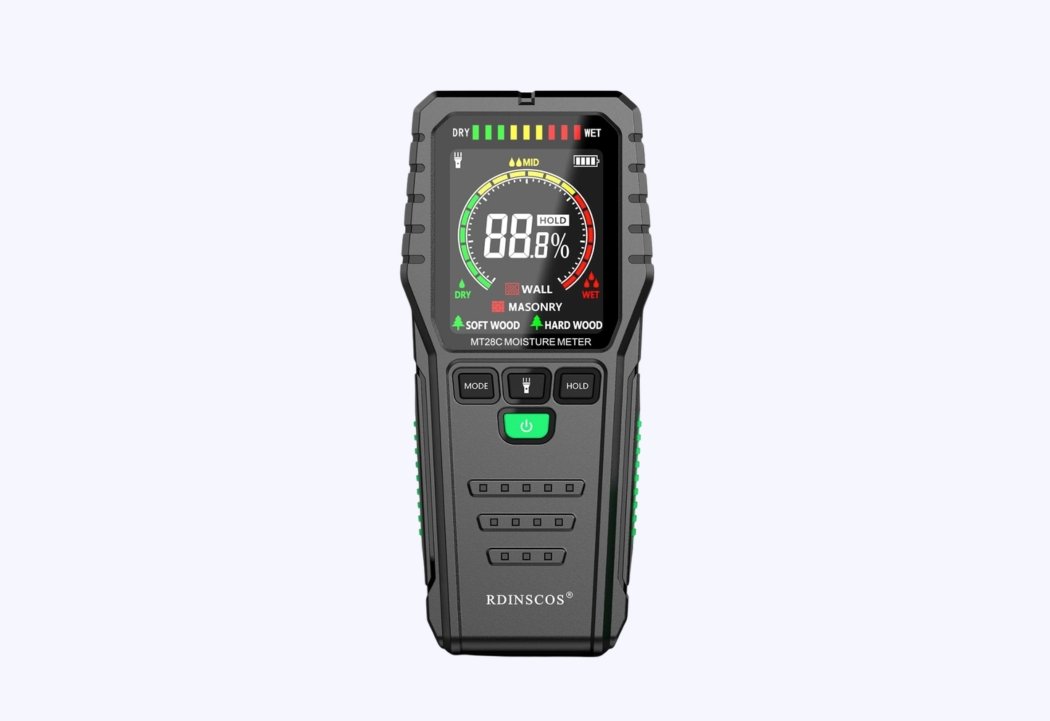
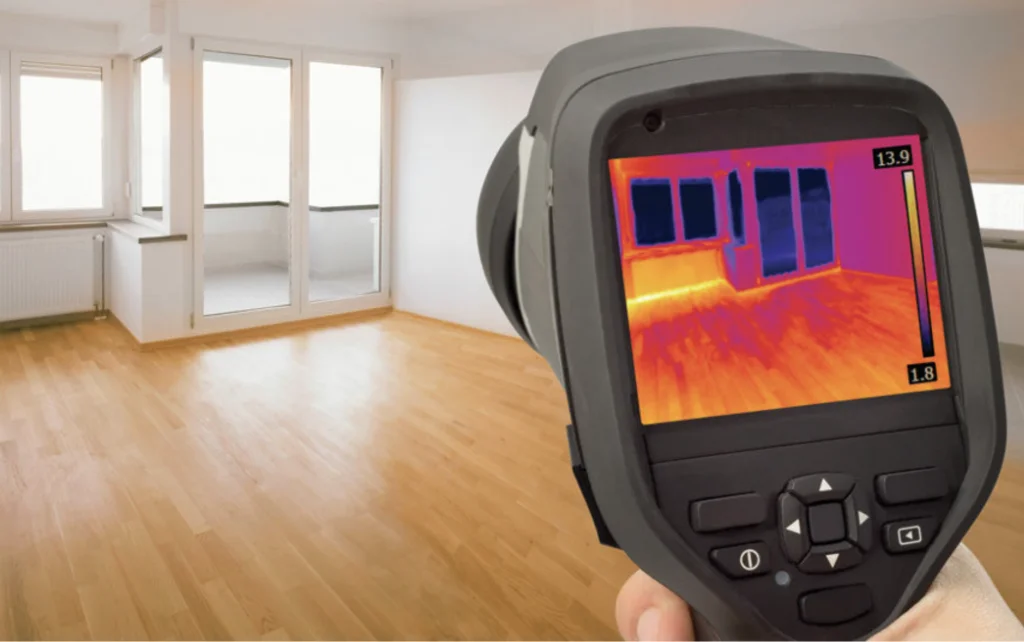
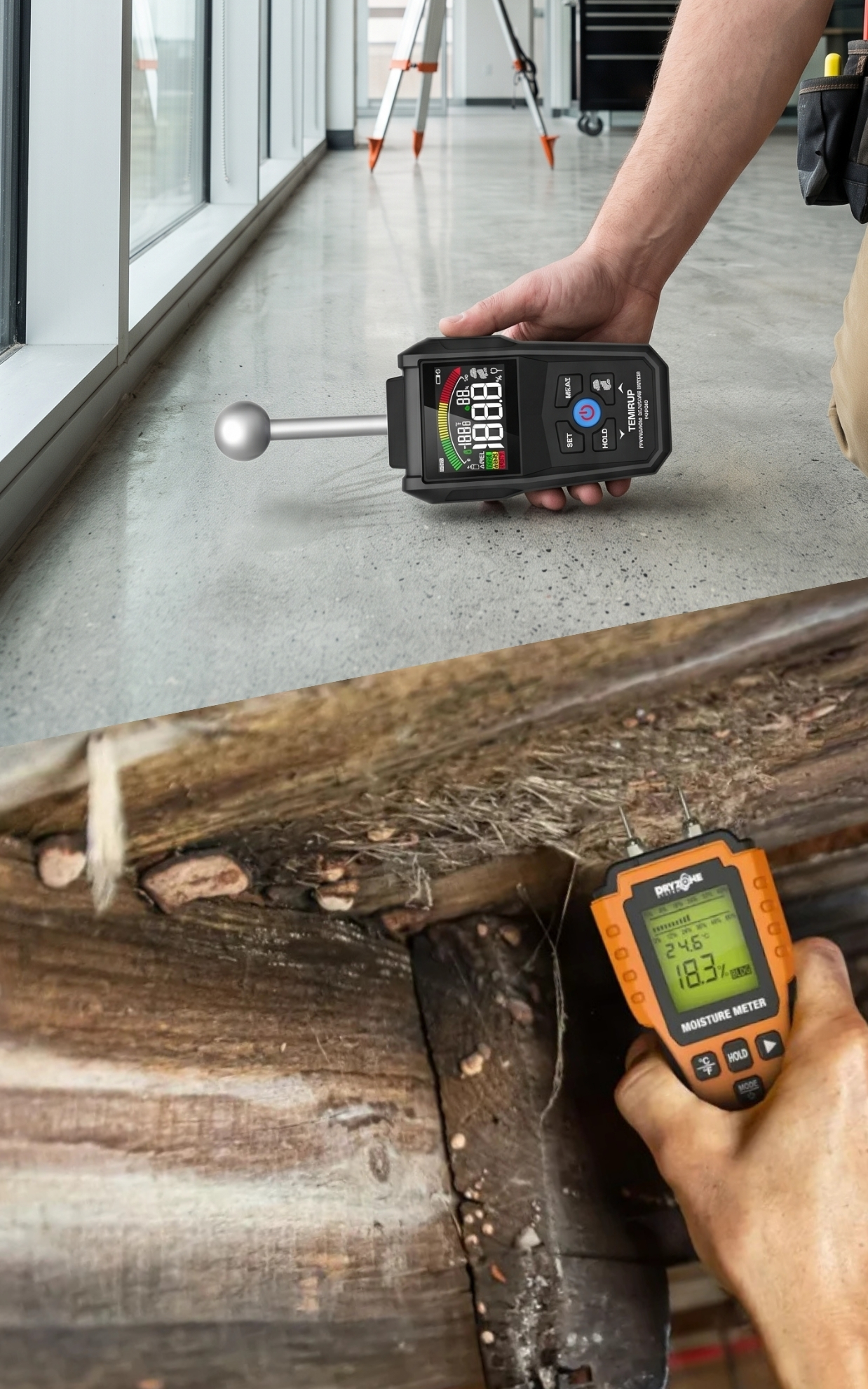
- Thermal imaging and electronic moisture meters ruled out rising damp, penetrating damp, plumbing leaks and blocked drainage, recording only slightly elevated, non-serious readings on the kitchen floor slab.
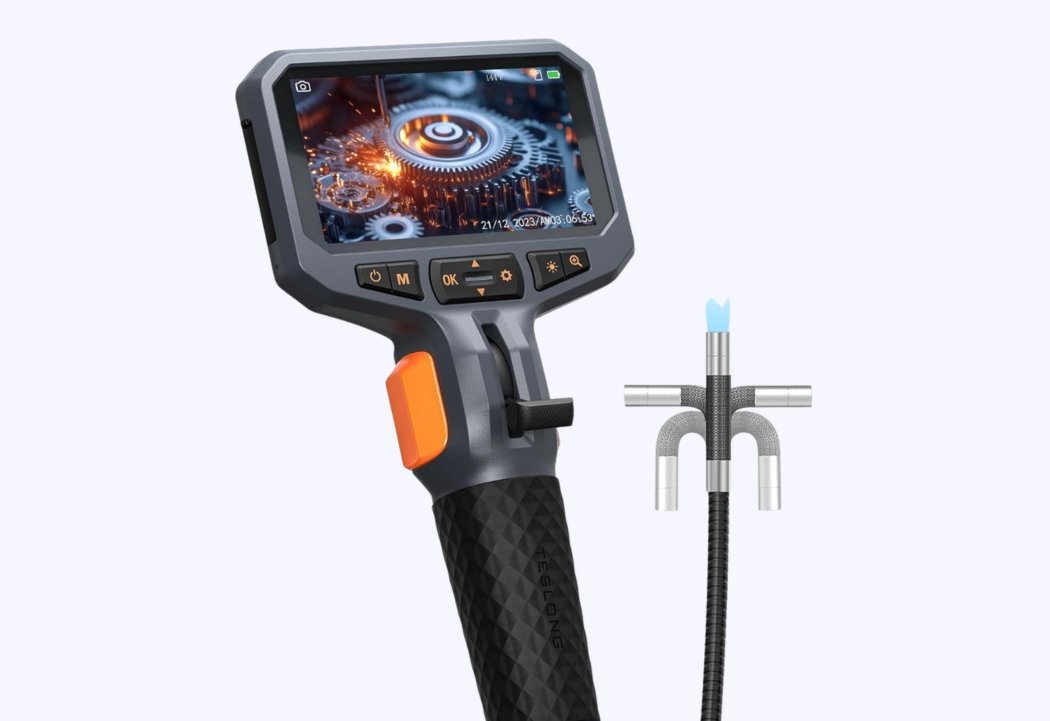
- Structural checks confirmed the building was sound, with zero dry rot, wet rot, or woodworm in accessible timbers.
The diagnostic reasoning proved that the mould was driven purely by surface condensation from elevated indoor humidity, caused by indoor clothes drying and lack of extraction in the downstairs utility space.
The Solution
The report detailed a practical action plan to control environmental moisture and clear the affected wall:
- Thoroughly clean the first-floor front bedroom wall with a suitable mould cleaner and ensure good ventilation during the process.
- Repair or replace the defective extractor fan in the downstairs utility/washing machine room.
- Place a dehumidifier in a central ground floor area (adding a second unit upstairs if humidity remains high), operating on automatic mode set to approximately 55% relative humidity.
- Connect a continuous drain hose or run the outlet pipe into a 15-litre water bottle or tank to avoid constant manual emptying.
- Keep bathroom doors closed when showering, leave upper fans running after use and refrain from drying wet clothes indoors without active dehumidification.
The Outcome
The homeowner received definitive proof that their house was structurally sound and free from leaks or timber rot. Choosing an independent specialist survey saved them from spending money on unnecessary damp proofing, directing their budget strictly toward fan repairs and air humidity control.
Why This Case Matters
Unbiased damp diagnostics rely on objective scientific data rather than guesswork. Combining qPCR DNA swab analysis with thermal camera imaging ensures that property owners receive accurate guidance, distinguishing indoor lifestyle condensation from true structural defects.