An independent Level 3 damp survey with laboratory swab testing was carried out for a house in Bethnal Green (E2). The property owner commissioned the specialist inspection to identify the source of wall staining in a bedroom and evaluate overall air quality. The survey delivered an objective diagnostic health check free from commercial pressure.
About the Issue
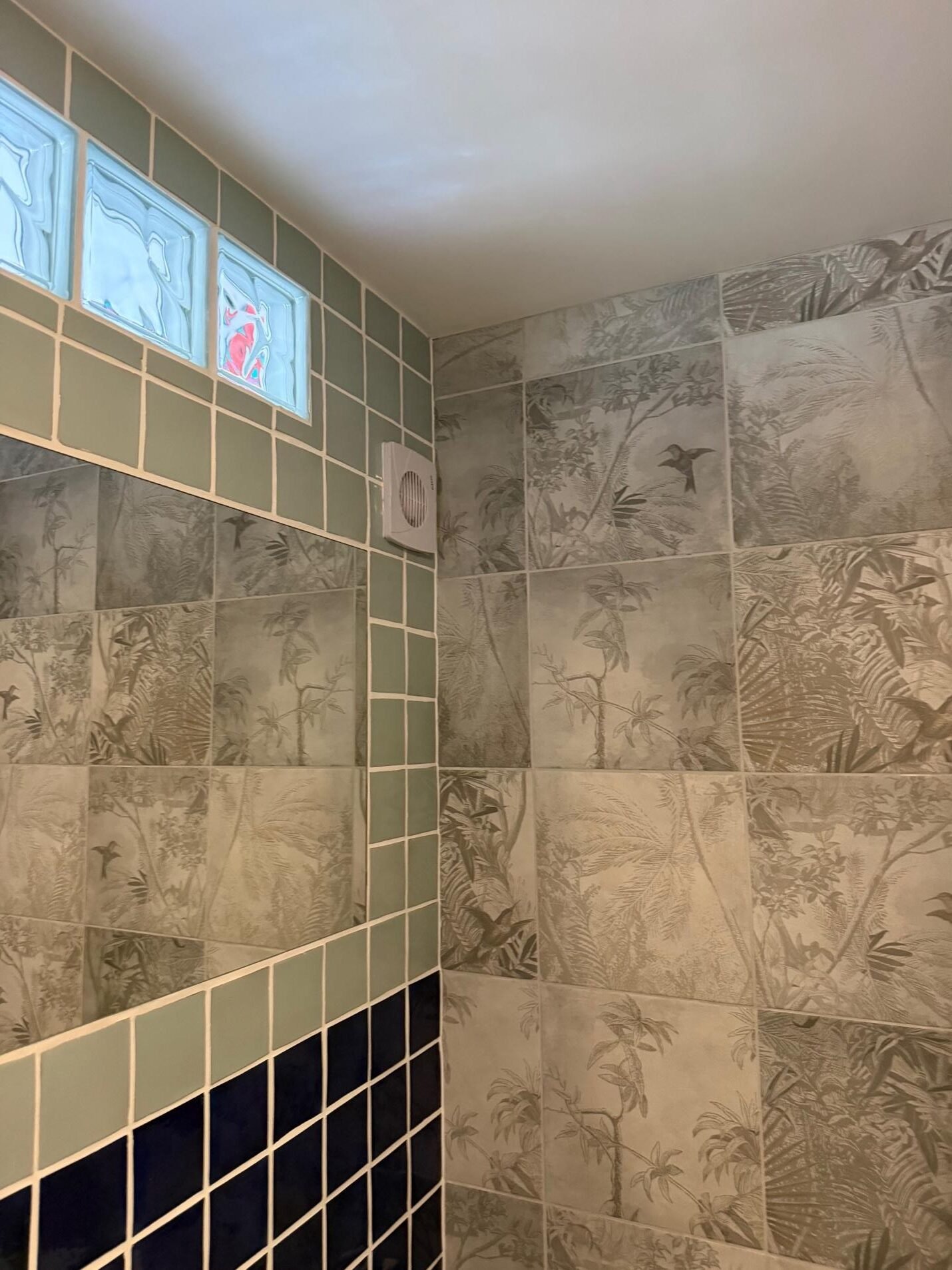
Visible mould growth along a wall in the first-floor front bedroom prompted concern for the property owner. They feared that water was penetrating external masonry or that internal floor joists were decaying from hidden moisture.
The Challenge
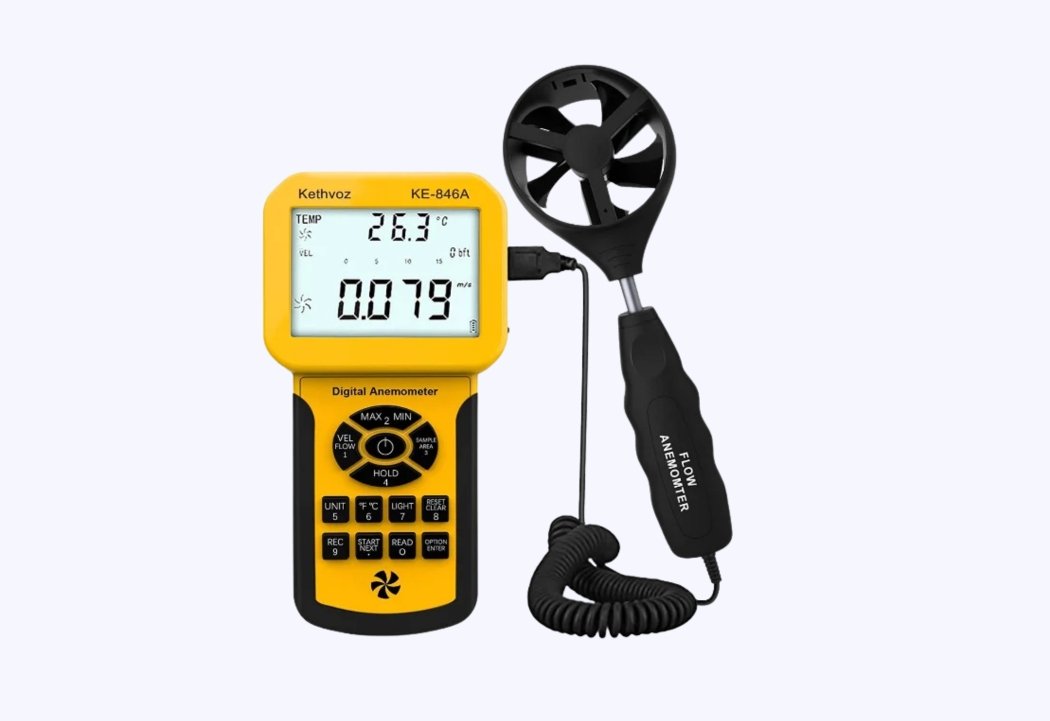
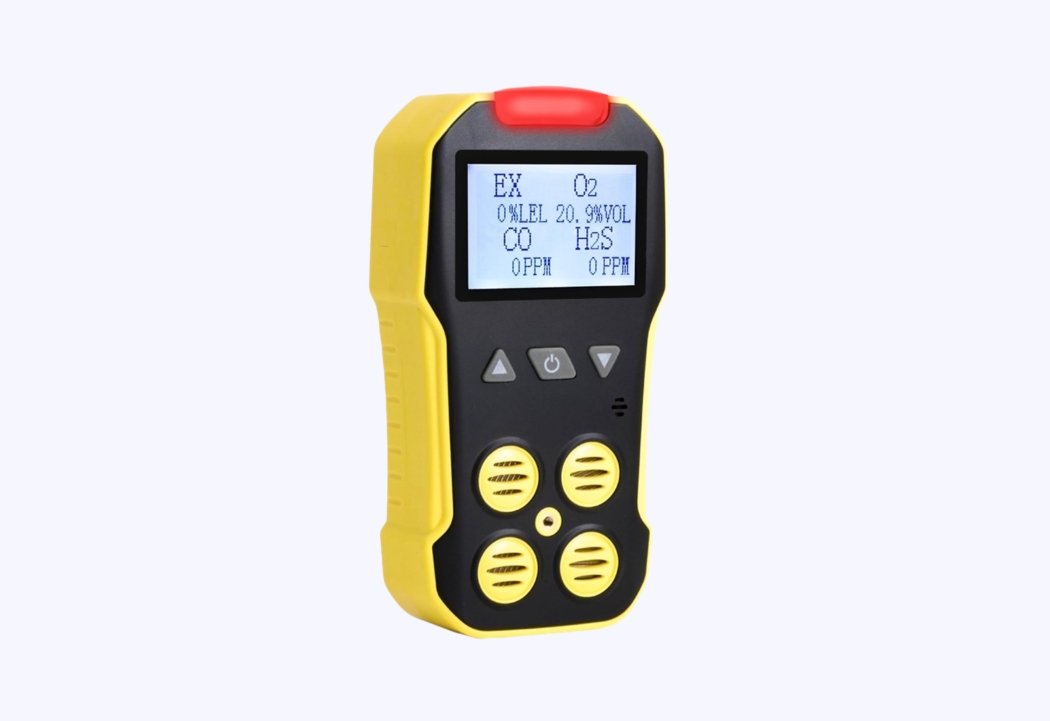
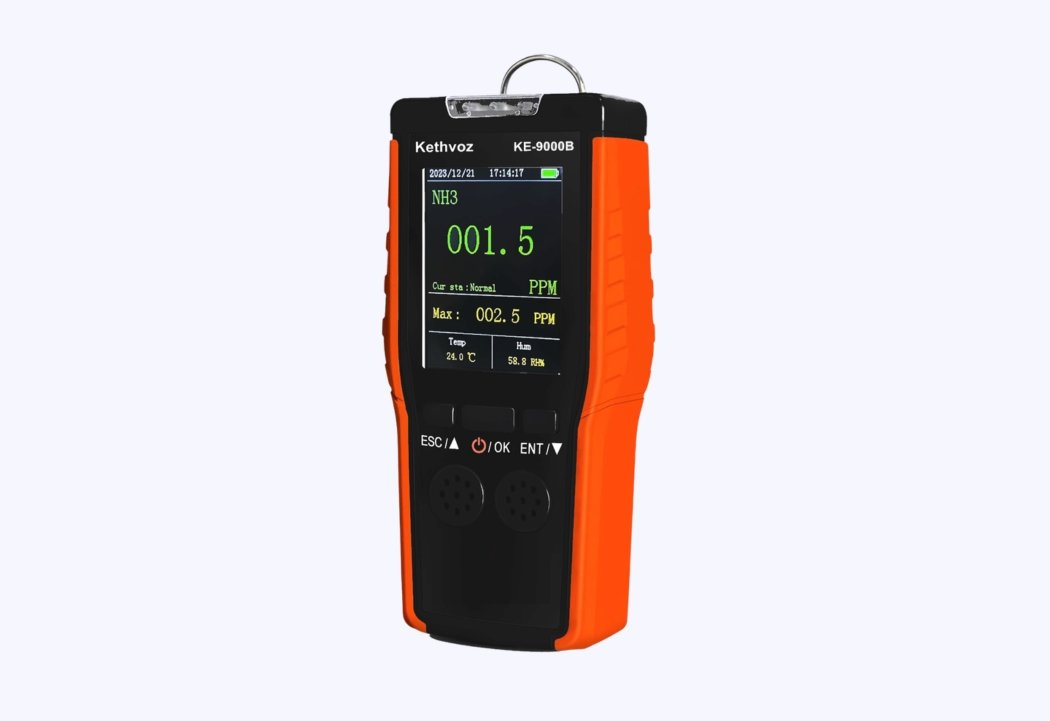
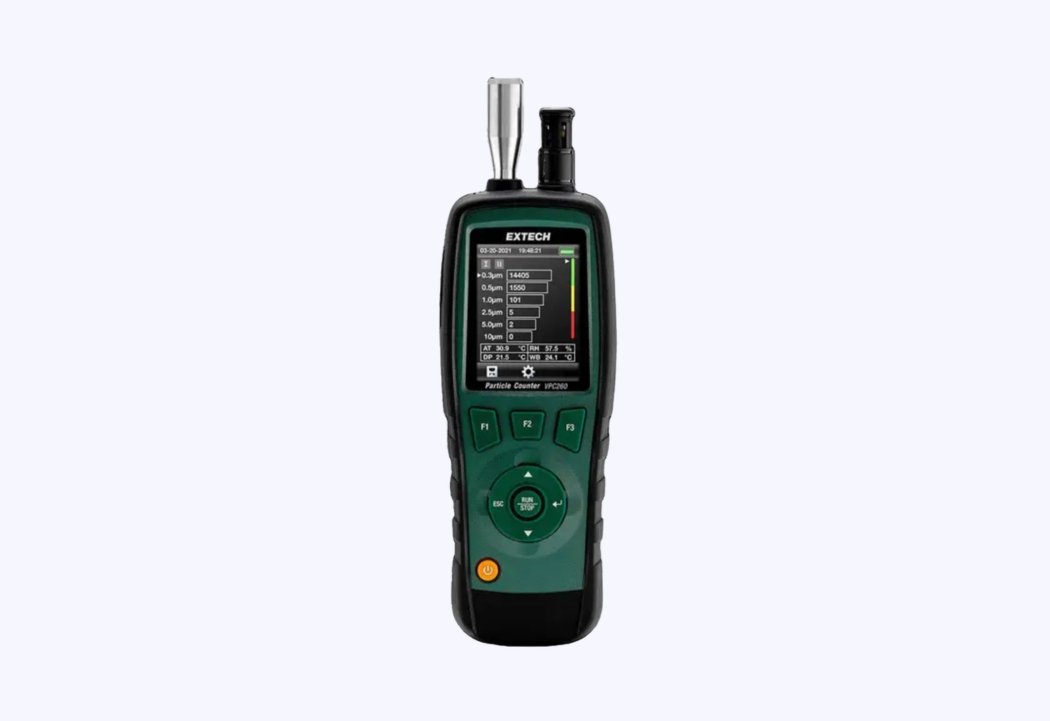
The surveyor conducted a top-to-bottom Level 3 assessment covering all accessible rooms, service areas, ventilation systems and structural elements using specialised diagnostic equipment.
Key factual evidence recorded during the inspection included:
- Laboratory qPCR DNA swab testing of samples gathered across all floors verified positive growth for Cladosporium, Aspergillus, Penicillium and Alternaria.
- Hygrometer checks recorded high relative humidity throughout the home, with functional checks verifying that two upper bathroom extractor fans worked properly, whereas the downstairs utility/washing machine room fan was inoperative.
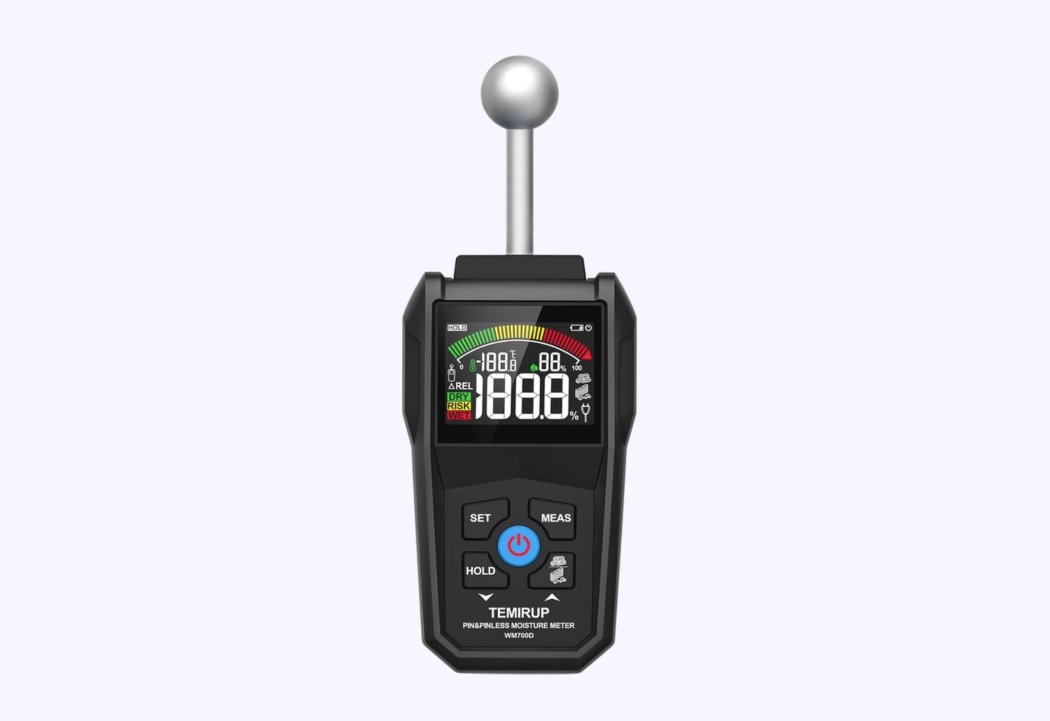
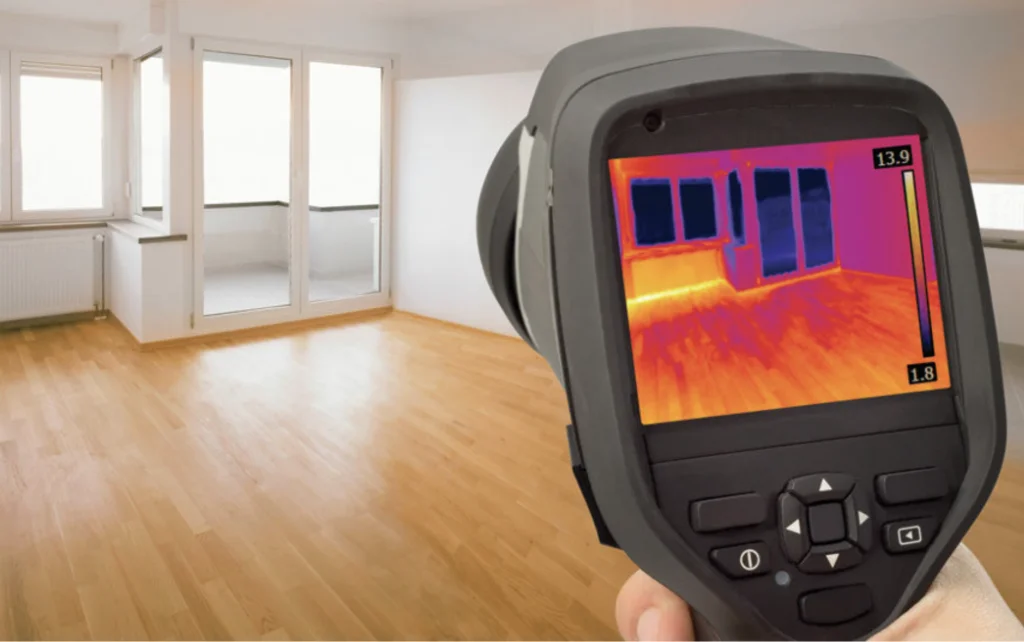
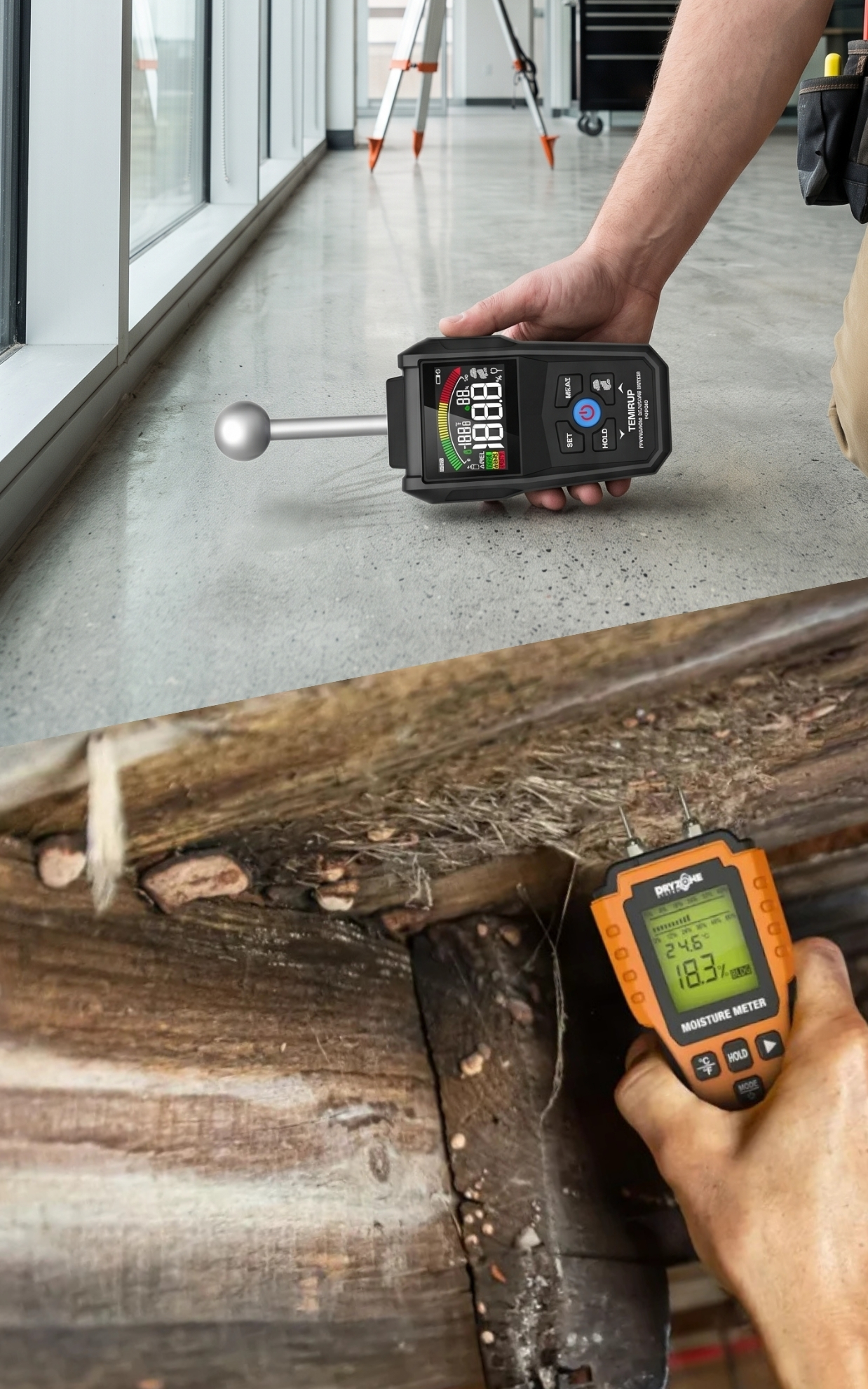
- Moisture meters and thermal imaging scans confirmed dry wall masonry throughout, zero rising or penetrating damp, no pipe leaks, no blocked drains and only slightly raised, non-serious damp readings on the kitchen floor.
- Structural joinery checks confirmed all accessible timbers were sound, with zero dry rot, wet rot, or woodworm infestation.
The diagnosis established that high internal humidity, caused by indoor laundry drying and a non-functional utility room extractor fan, was circulating through the building and condensing on cold bedroom wall surfaces.
The Solution
Remedial actions focused on restoring proper ventilation and managing internal air conditions:
- Wash down the mouldy first-floor front bedroom wall using a suitable mould cleaner and ventilate the space thoroughly.
- Repair or replace the non-working extractor fan in the downstairs utility/washing machine room.
- Position a dehumidifier in a central ground floor location (e.g. hallway), adding a second unit on the first floor if needed, set to roughly 55% relative humidity on automatic mode.
- Utilise a continuous drain option or direct the drainage pipe into a 15-litre water bottle or container for longer run times.
- Shut bathroom doors when showering, leave upper fans running afterwards, and stop drying laundry indoors without active ventilation or dehumidification.
The Outcome
The property owner achieved complete peace of mind knowing the home was structurally sound. By following an independent diagnostic report, they avoided unnecessary wall injections or plastering, fixing the issue through basic fan maintenance and humidity regulation.
Why This Case Matters
Mould growth restricted to a single upper bedroom often leads people to suspect roof or wall leaks. DNA swab testing and thermal imaging verify whether mould is fed by structural water entry or air humidity, protecting building owners from misdirected repairs.