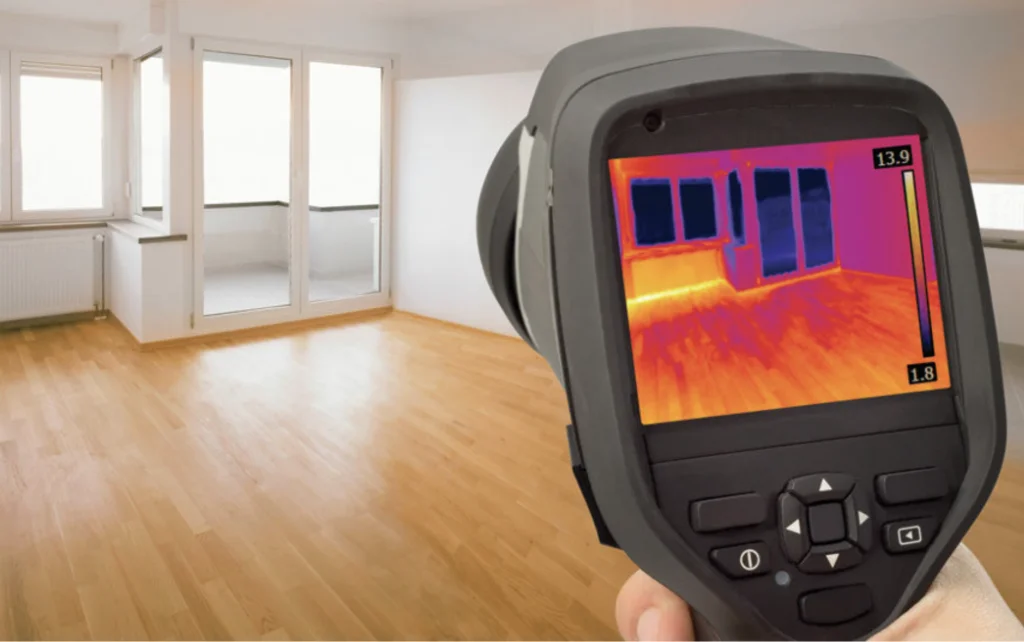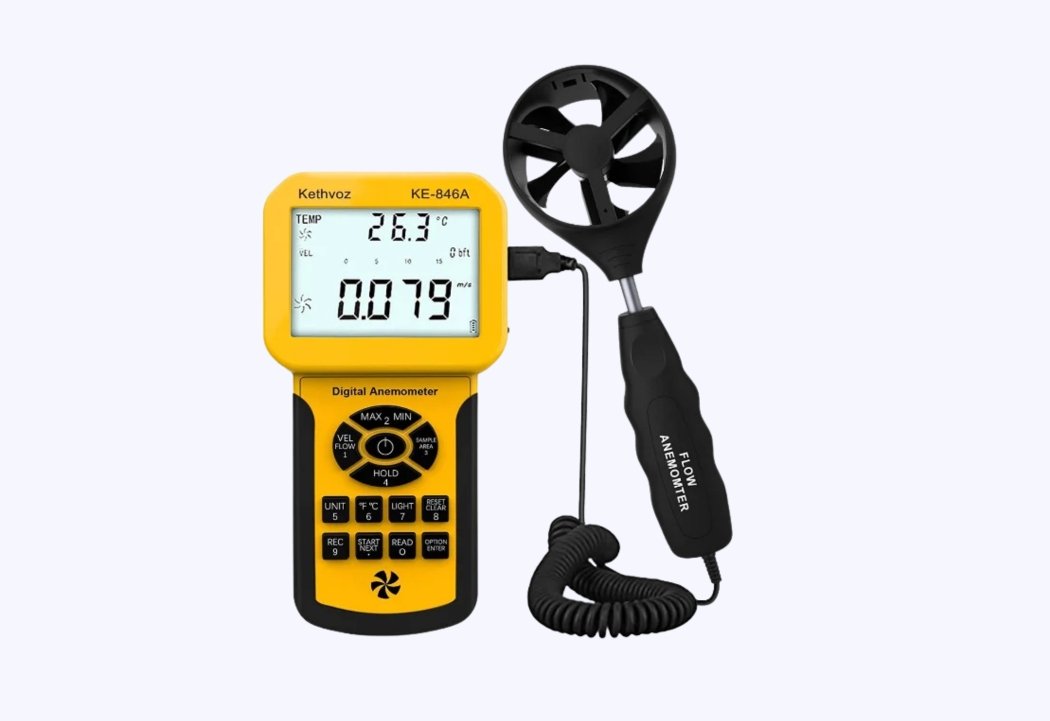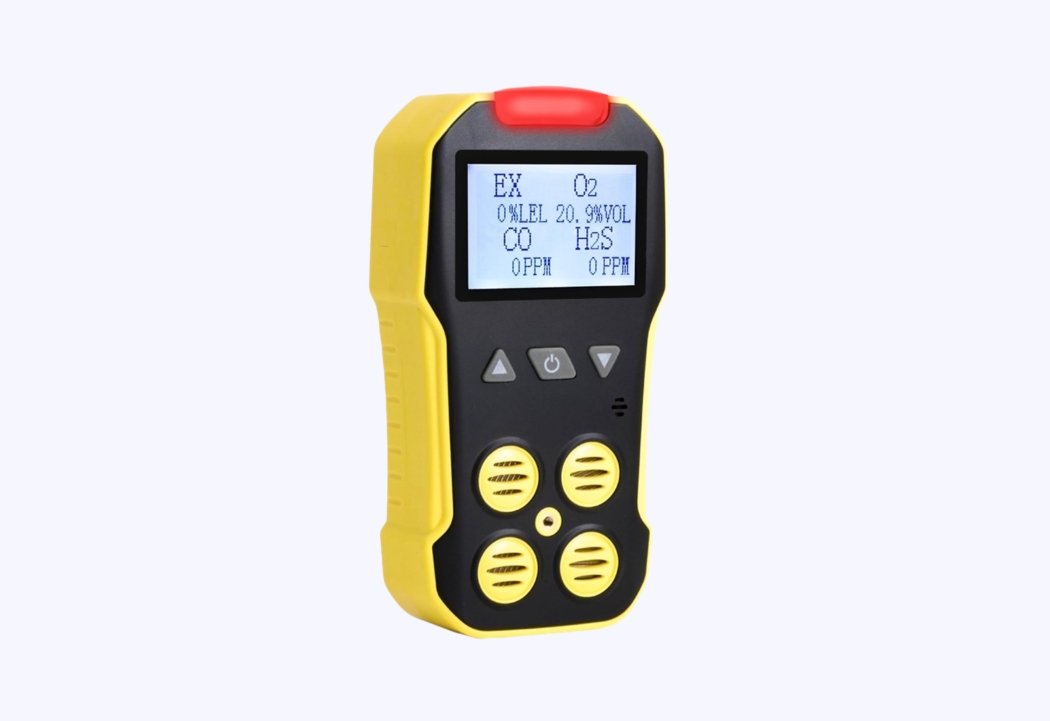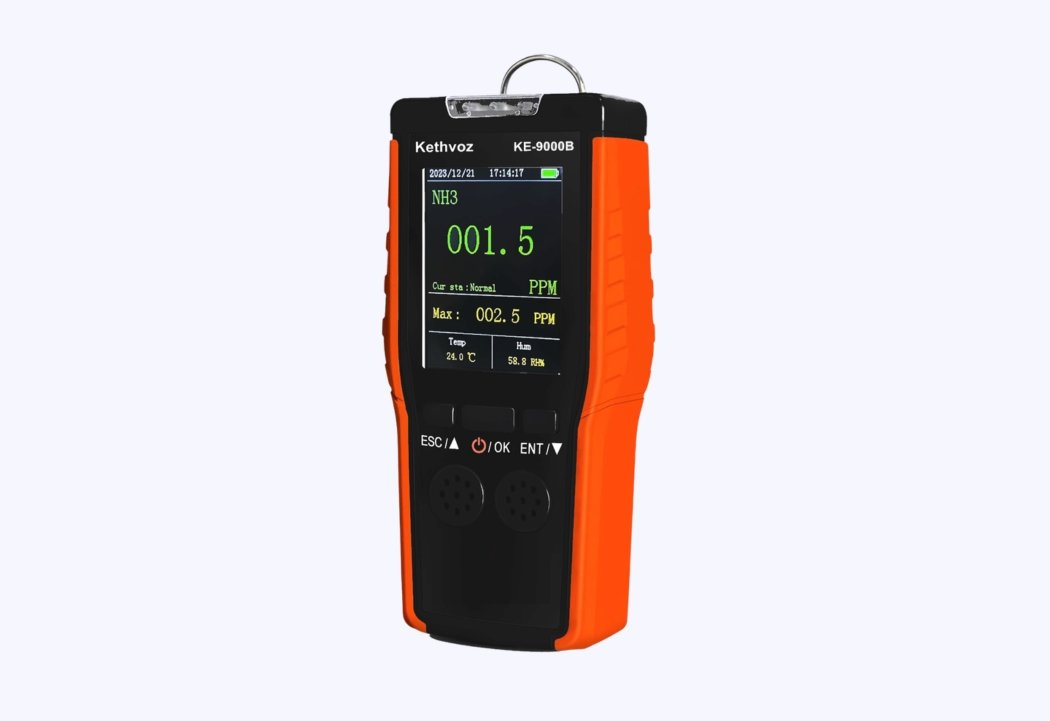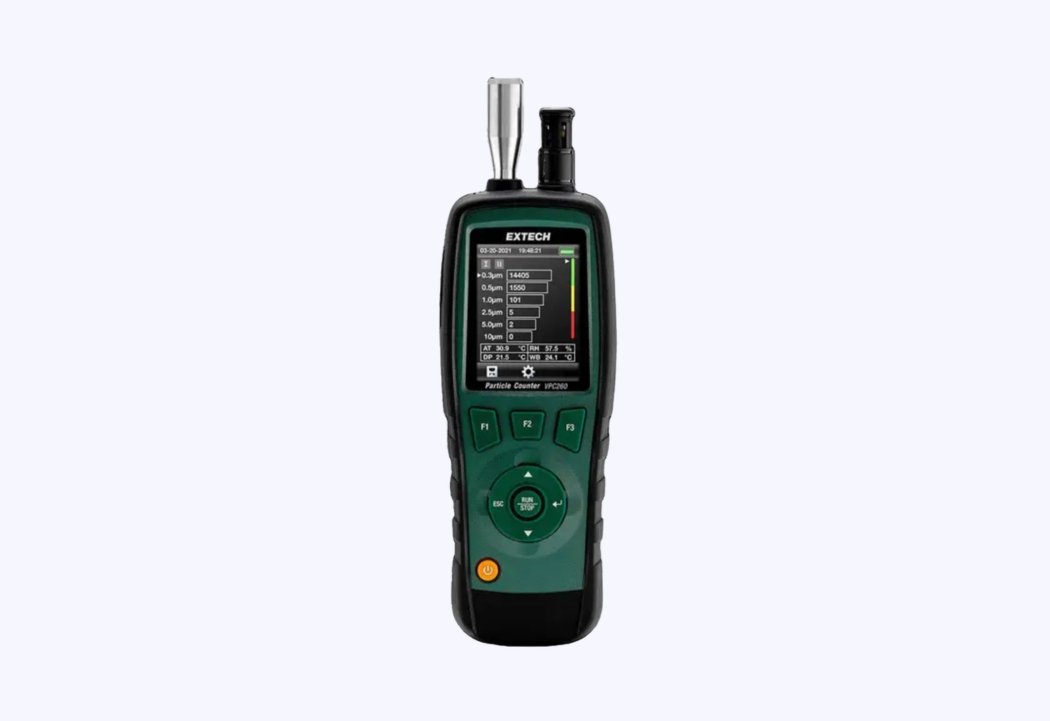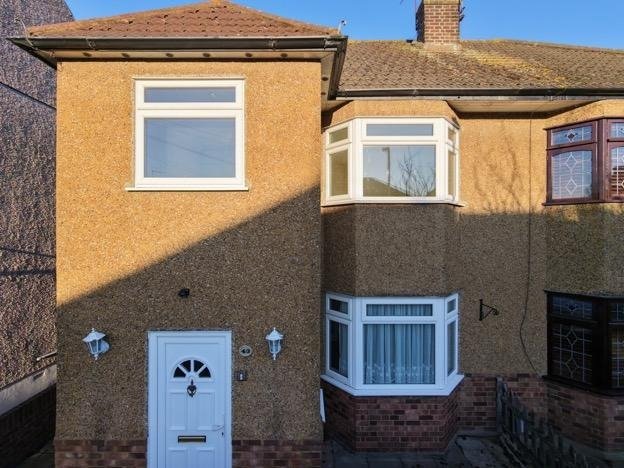
This independent Level 3 damp survey was undertaken for a two-storey residential property located in Harold Wood (RM3). Commissioned by the property owner, the comprehensive inspection assessed all accessible internal, external and structural elements for moisture ingress or timber defects. The survey delivered a clear, fact-based evaluation without commercial bias.
About the Issue
The homeowner noticed a faint, historical water stain beneath a windowsill and became suspicious of hidden leaks. They feared that rainwater was penetrating the outer masonry or that internal floor joists and timbers might be suffering from rot.
The Challenge
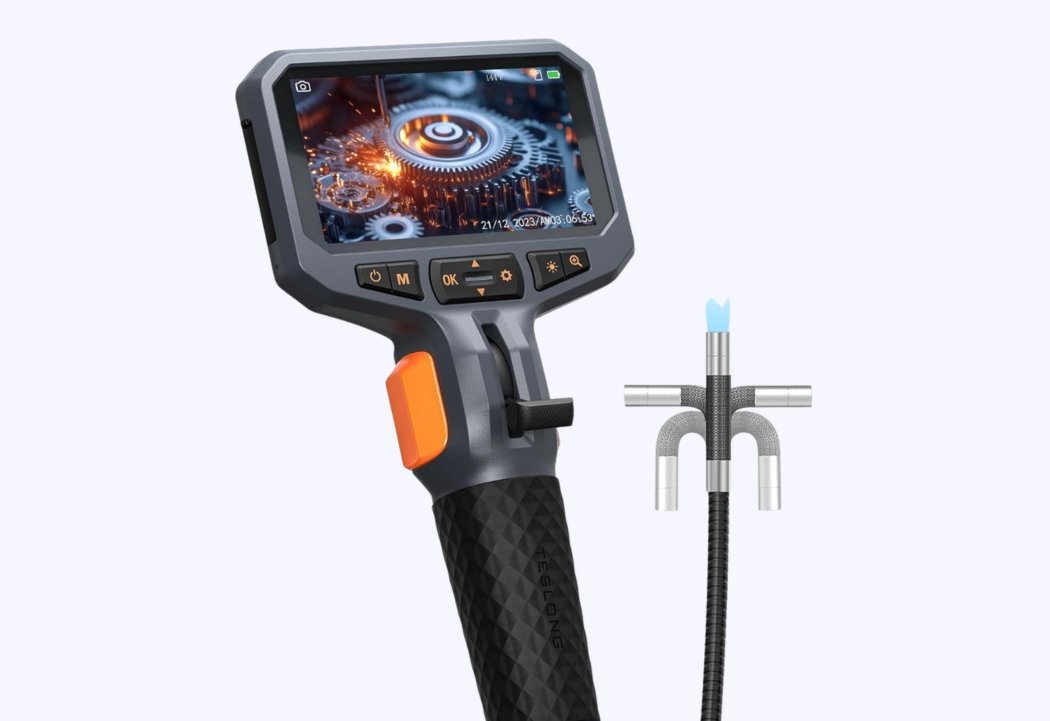
To deliver a definitive diagnostic picture, a Level 3 damp survey was performed. The surveyor inspected living areas, ceilings, floor slabs, the loft space, chimney details, external brickwork, gutters and plumbing runs.
Diagnostic observations and testing provided conclusive evidence:
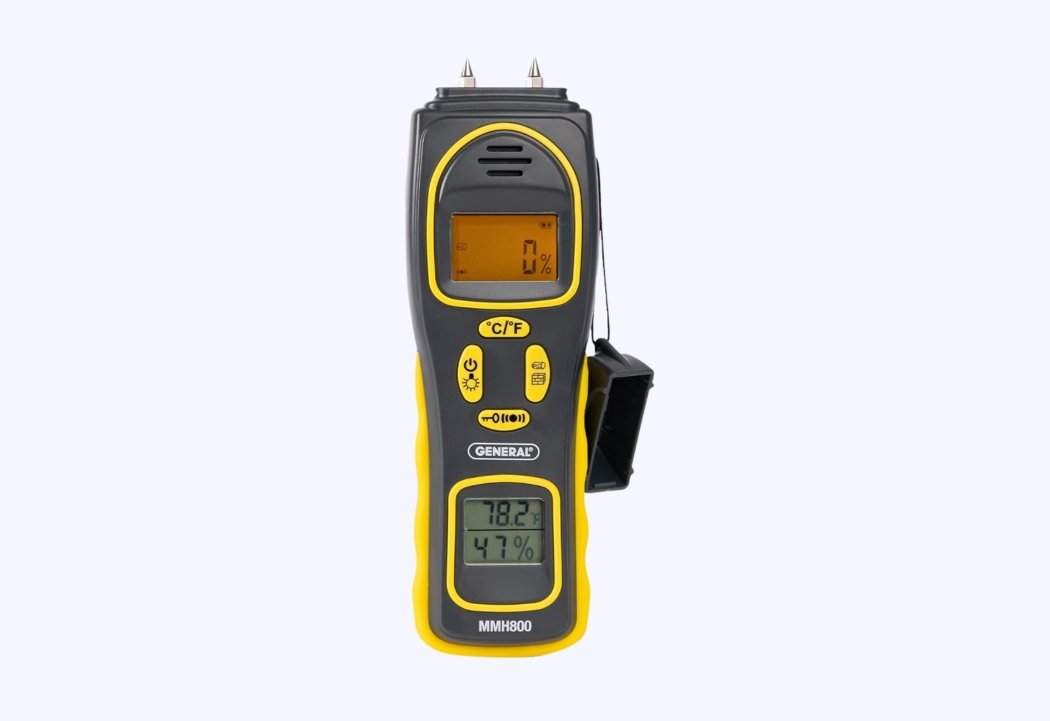
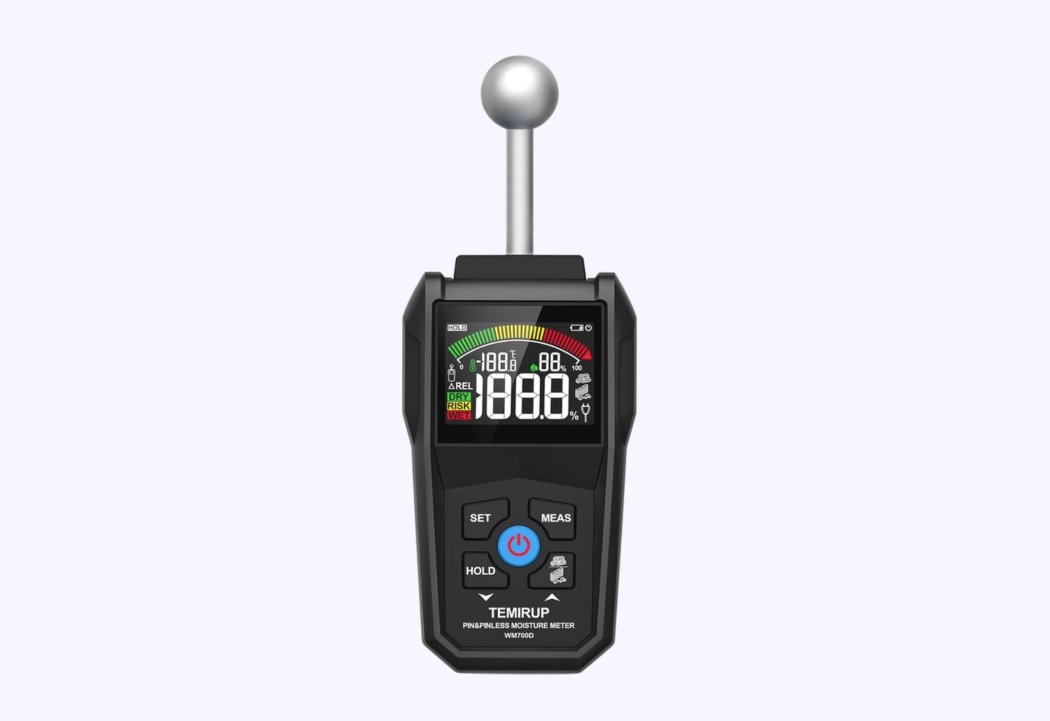
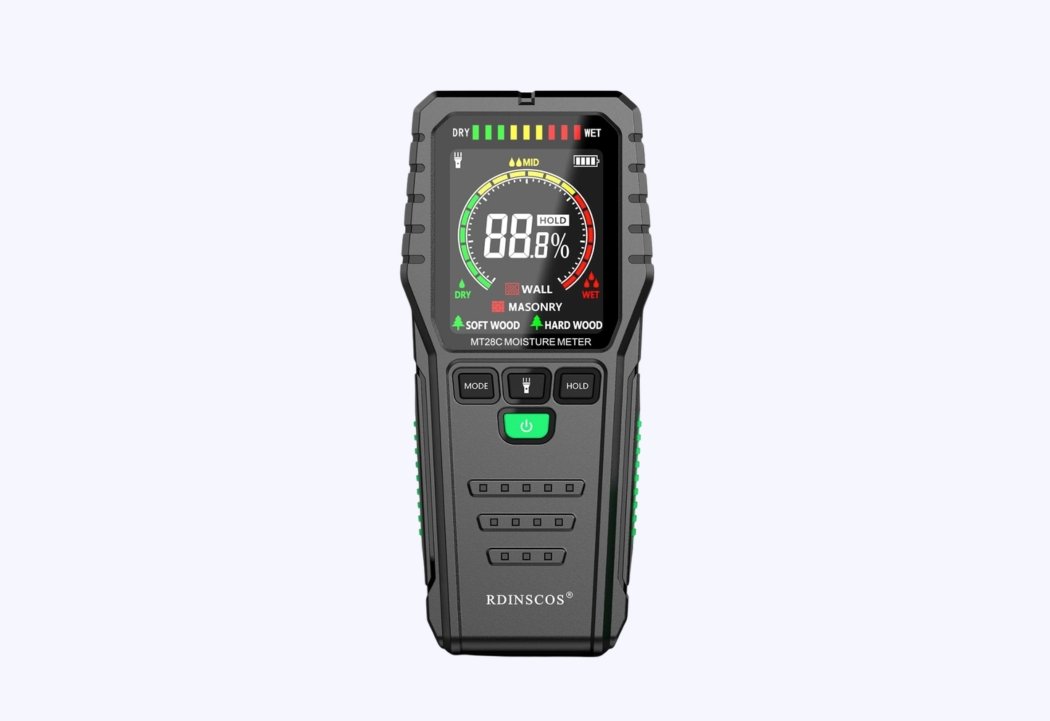
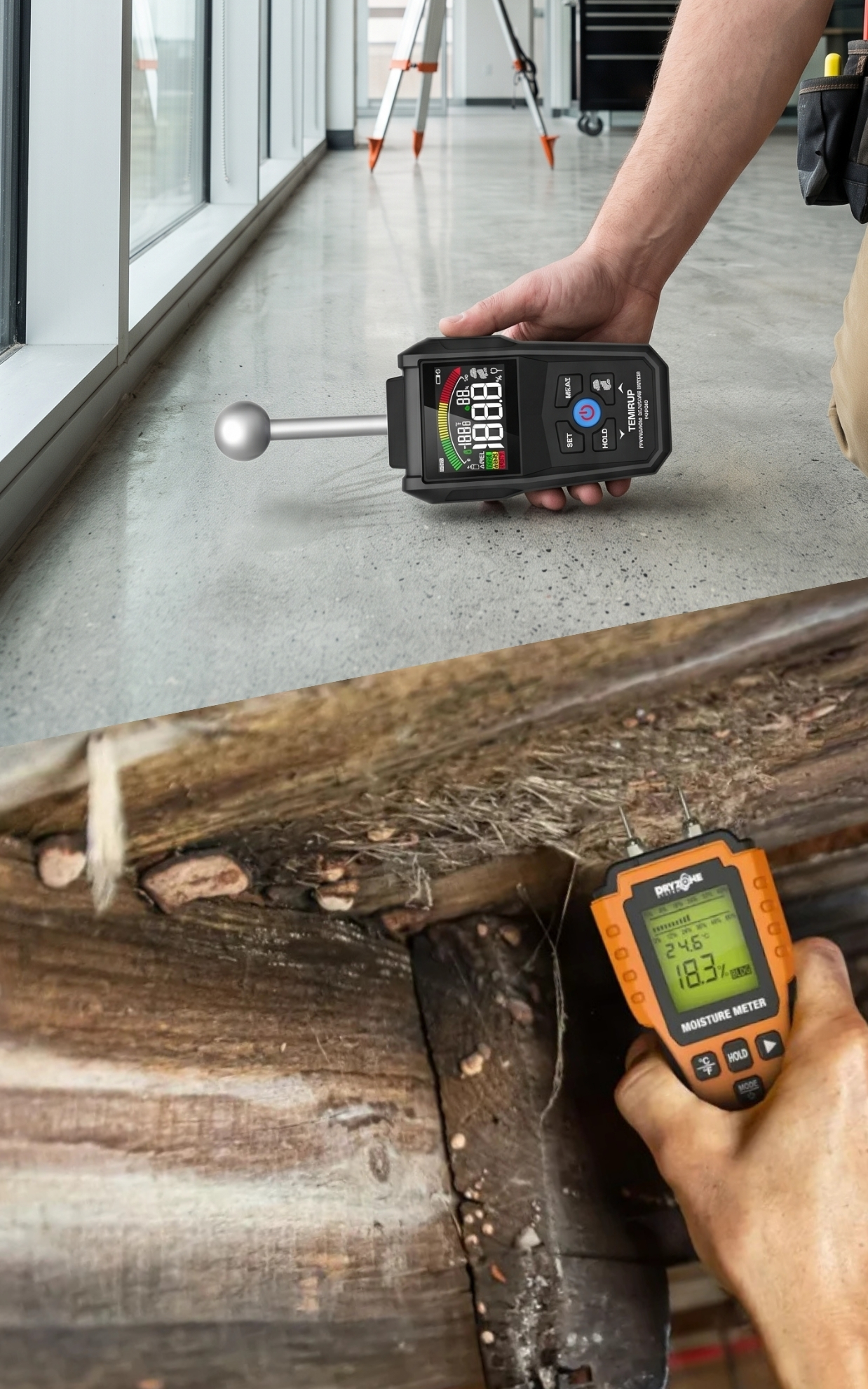
- Moisture meter readings across internal walls averaged approximately 10%, confirming thoroughly dry conditions.
- Relative humidity testing measured internal levels at approximately 51%, reflecting safe ambient conditions.
- Moisture checks beneath the windowsill confirmed the water stain was historical, with no elevated moisture readings.
- All inspected structural timbers were completely clear of dry rot, wet rot and wood-boring insects.
Plumbing systems operated without any active leaks. The loft space remained watertight and adequately ventilated, although the roofing felt showed typical age-related deterioration. Outside, an uncapped chimney stack was noted along with surface staining on the rear flat roof caused by water pooling. However, no internal damp penetration was detected anywhere and despite no visible DPC being identified, no rising damp existed inside.
The Solution
Because no forms of damp were identified within the building, remedial damp treatments were completely ruled out. The report recommended four practical preventative measures:
- Fit chimney caps on the chimney stack to block rainwater entry.
- Clean out guttering to ensure unimpeded drainage and avoid overflow.
- Keep an eye on flat-roof water pooling and adjust falls or drainage if necessary.
- Perform general roof maintenance as needed over time.
The Outcome
The property owner achieved total clarity regarding their home’s condition. Armed with an objective specialist report, they avoided unnecessary building work and focused their resources on straightforward preventative maintenance.
Why This Case Matters
Period properties often feature ageing materials, like worn roofing felt or missing DPCs, that look concerning to the untrained eye. Independent diagnostic surveys differentiate between normal ageing and active structural defects, preventing unnecessary expenditure.