A Level 3 damp survey and qPCR DNA mould analysis was conducted on a residential house in Bethnal Green (E2). The property owner instructed an independent investigation to establish why mould was developing in an upper bedroom. The objective was to secure an objective, scientific report free from contractor bias.
About the Issue
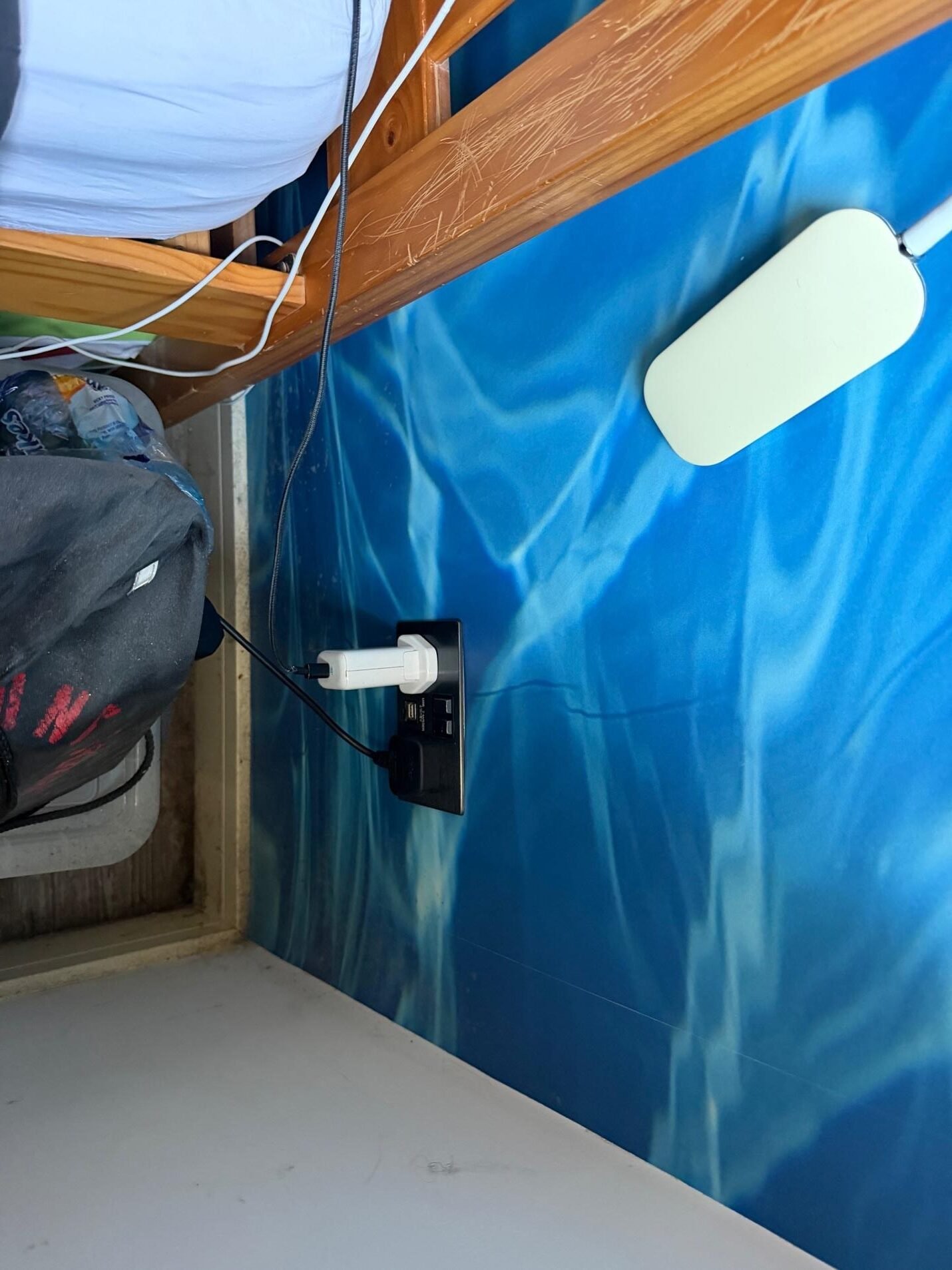
Fungal growth on a wall in the first-floor front bedroom raised serious concerns for the homeowner. Unsure whether the issue was driven by rising groundwater, leaking pipework, or bad subfloor drainage, they sought expert diagnostic clarification before spending money on repairs.
The Challenge
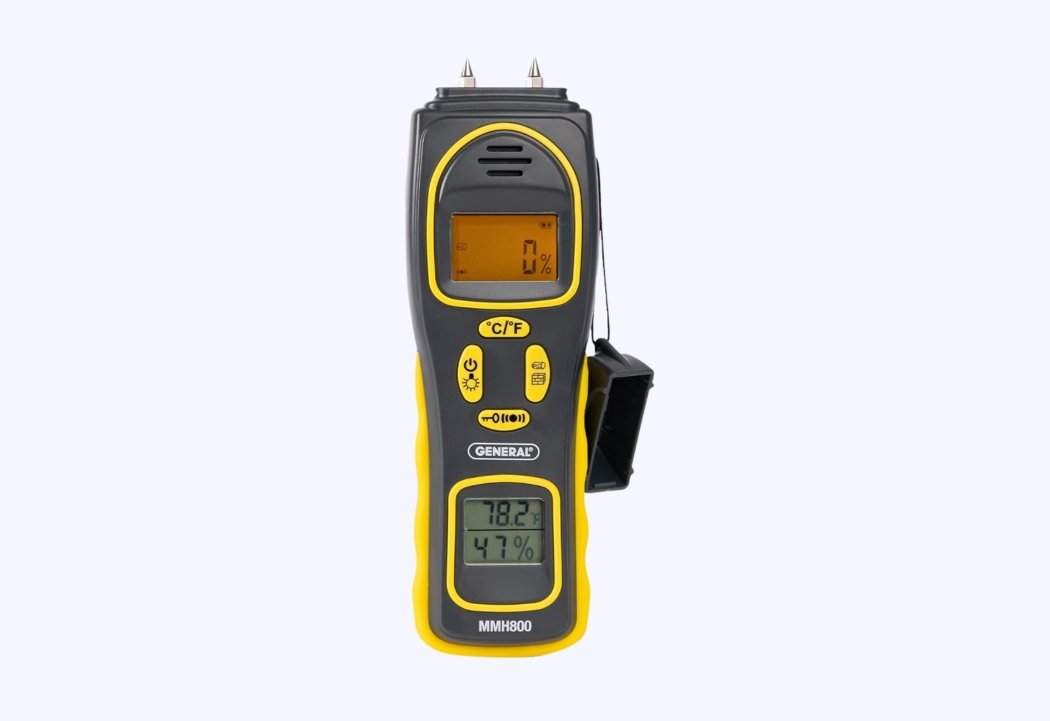
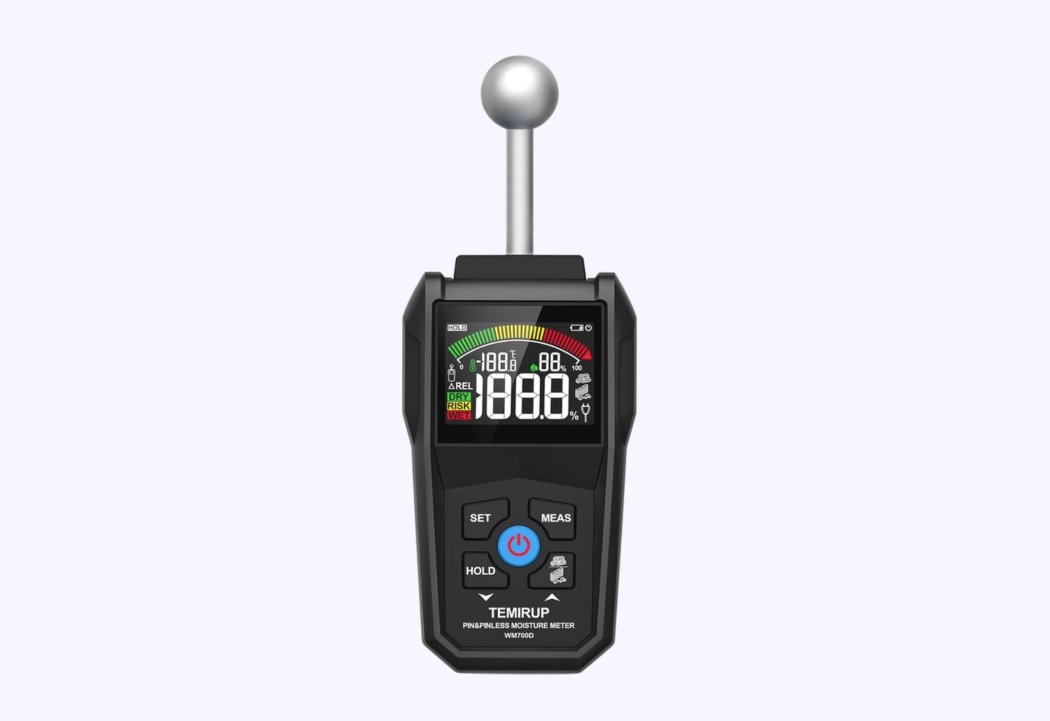
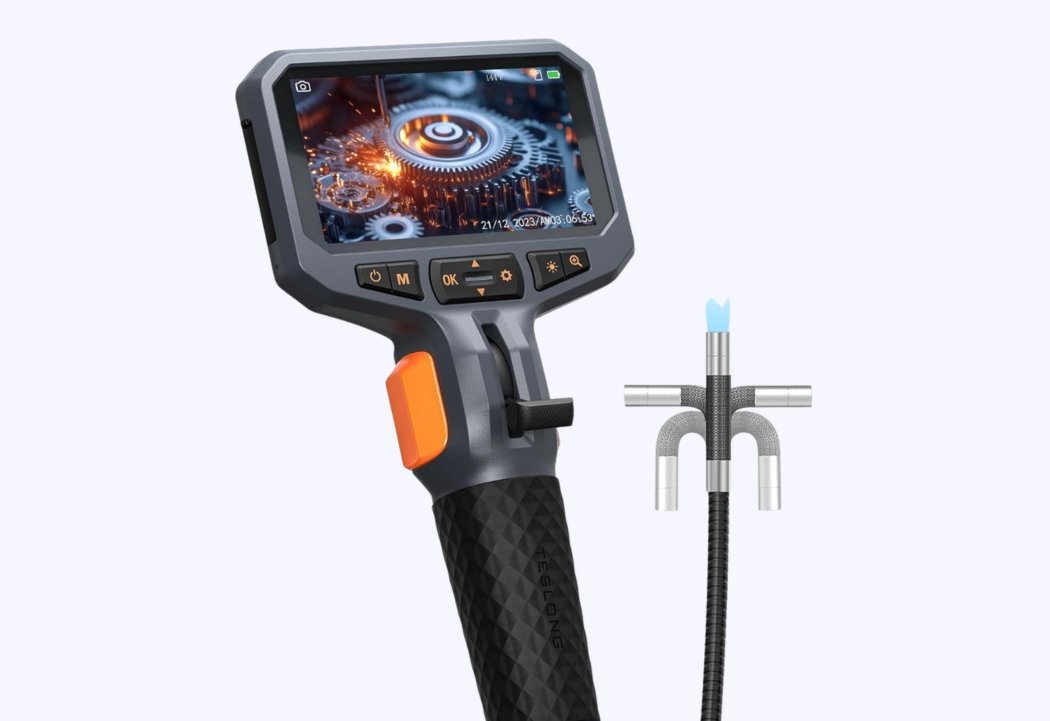
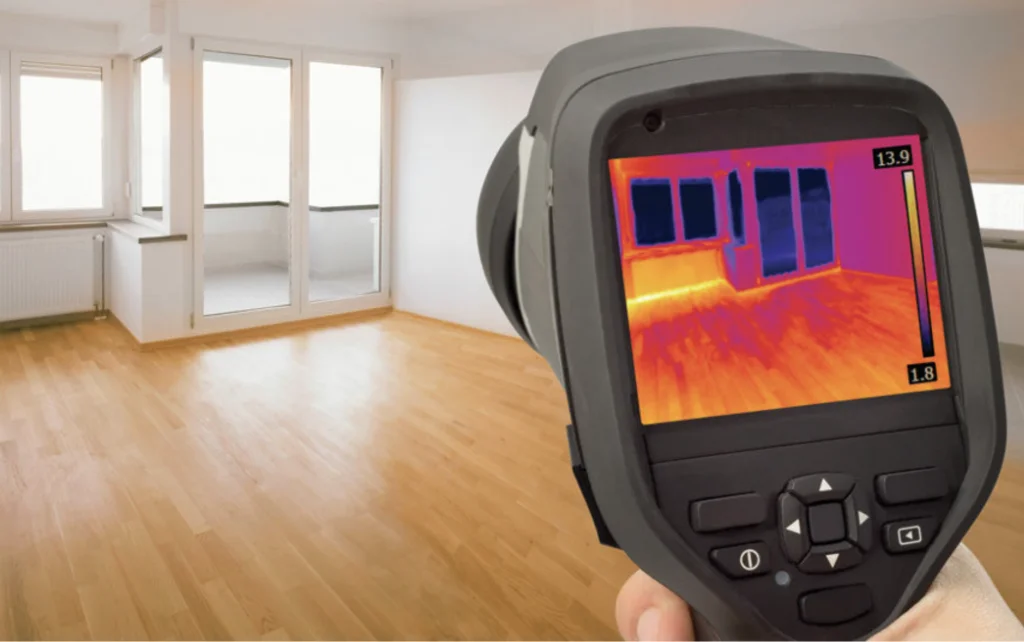
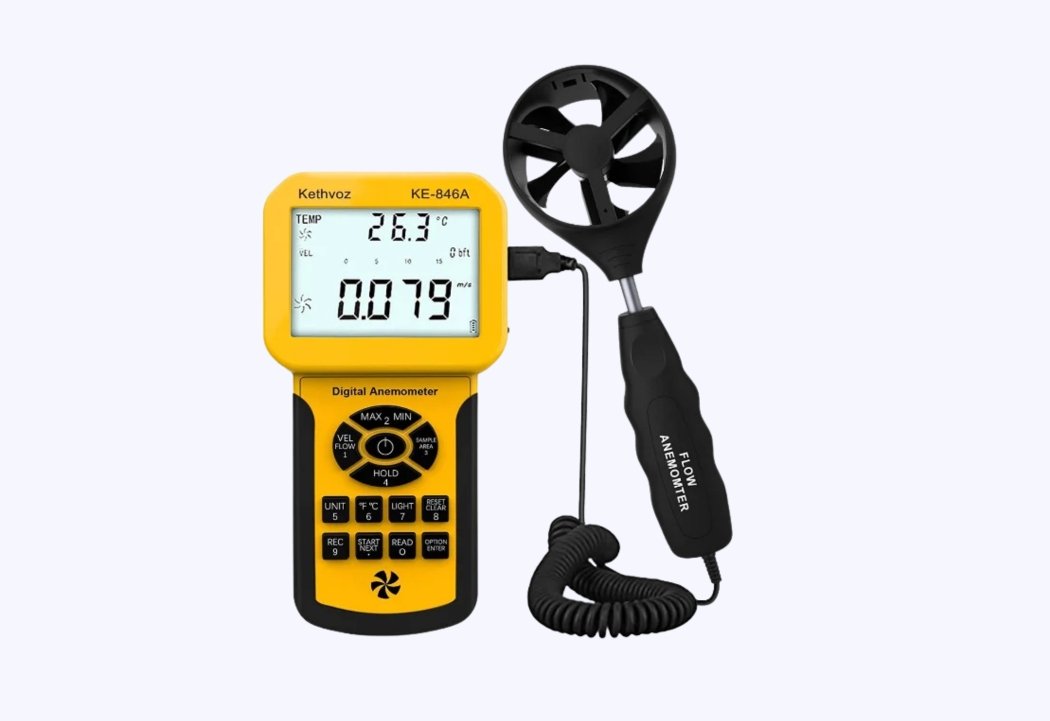
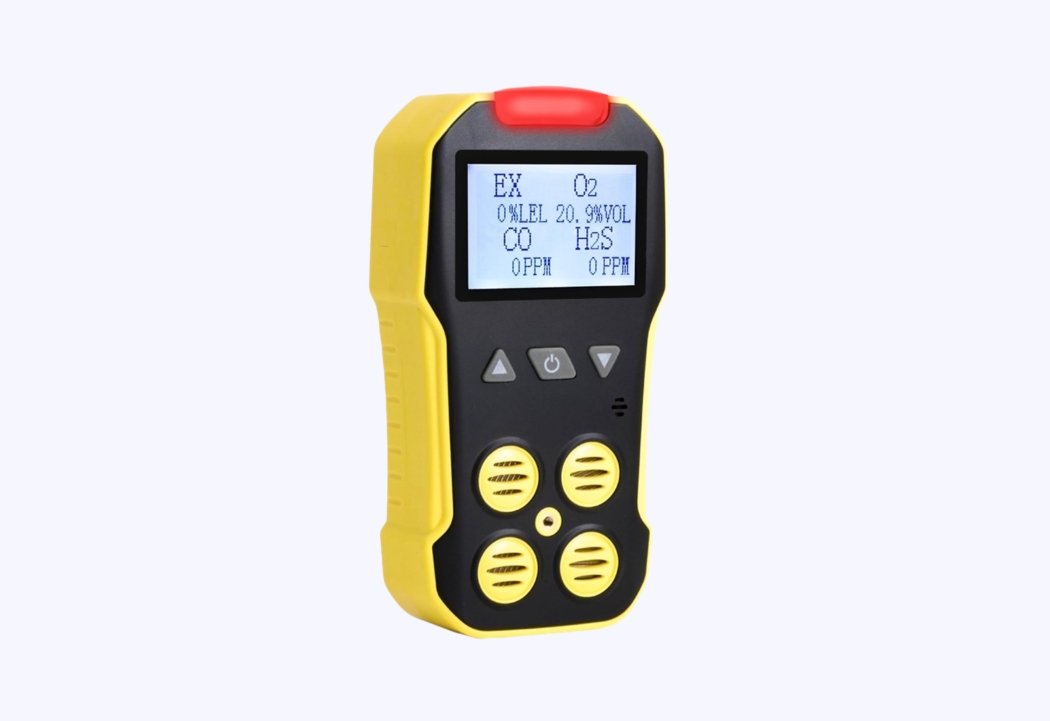
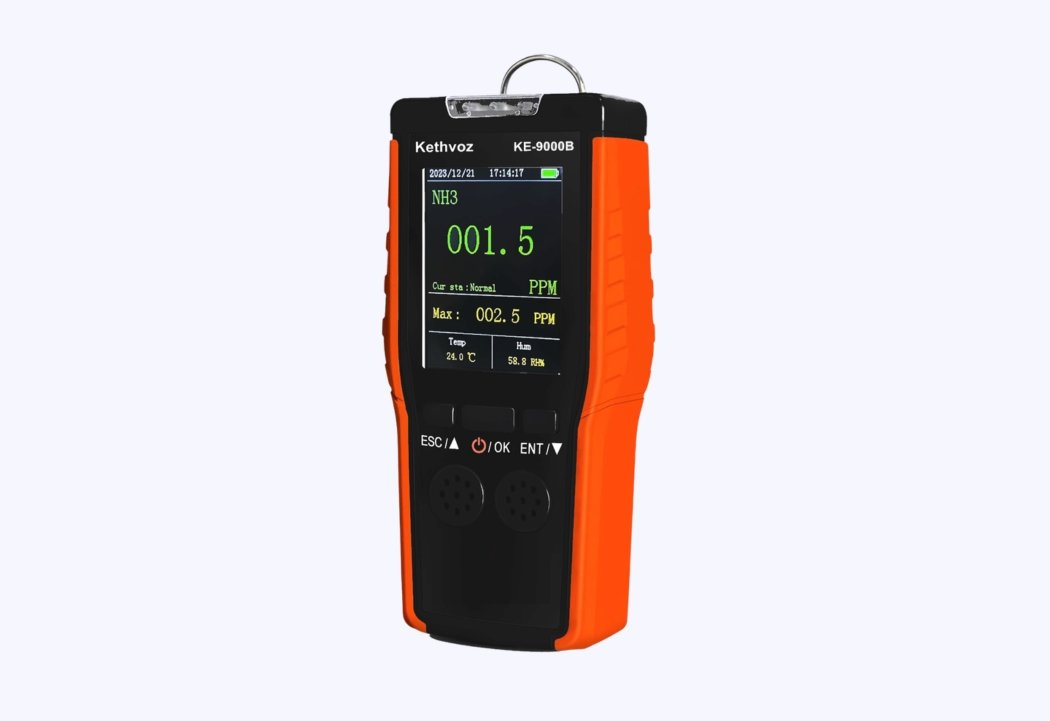
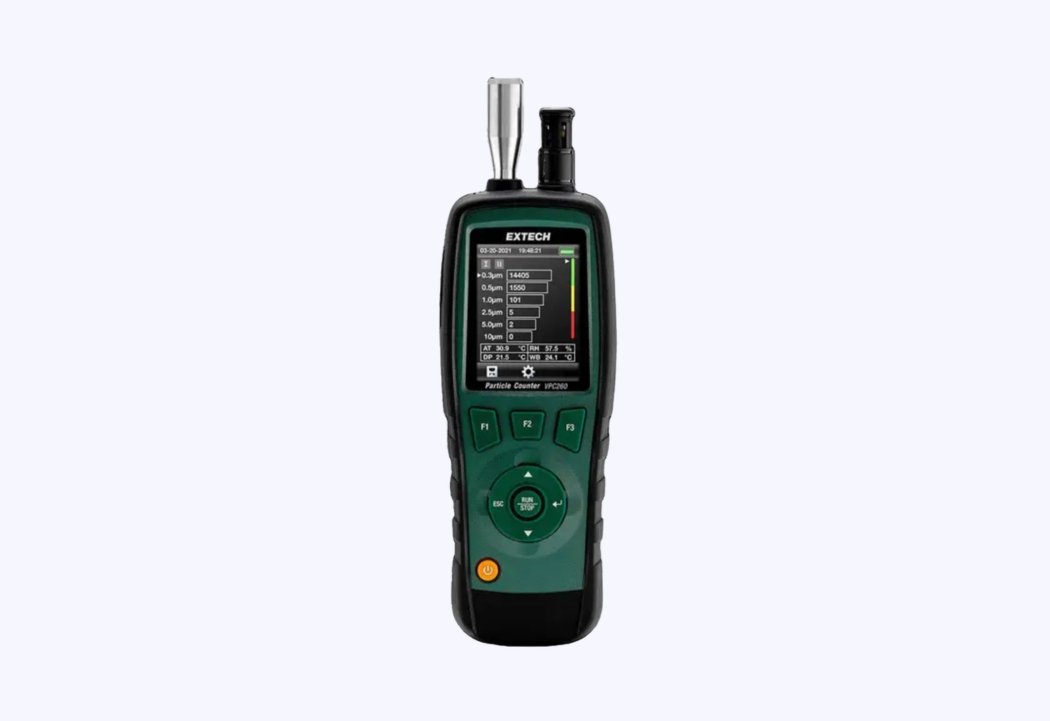
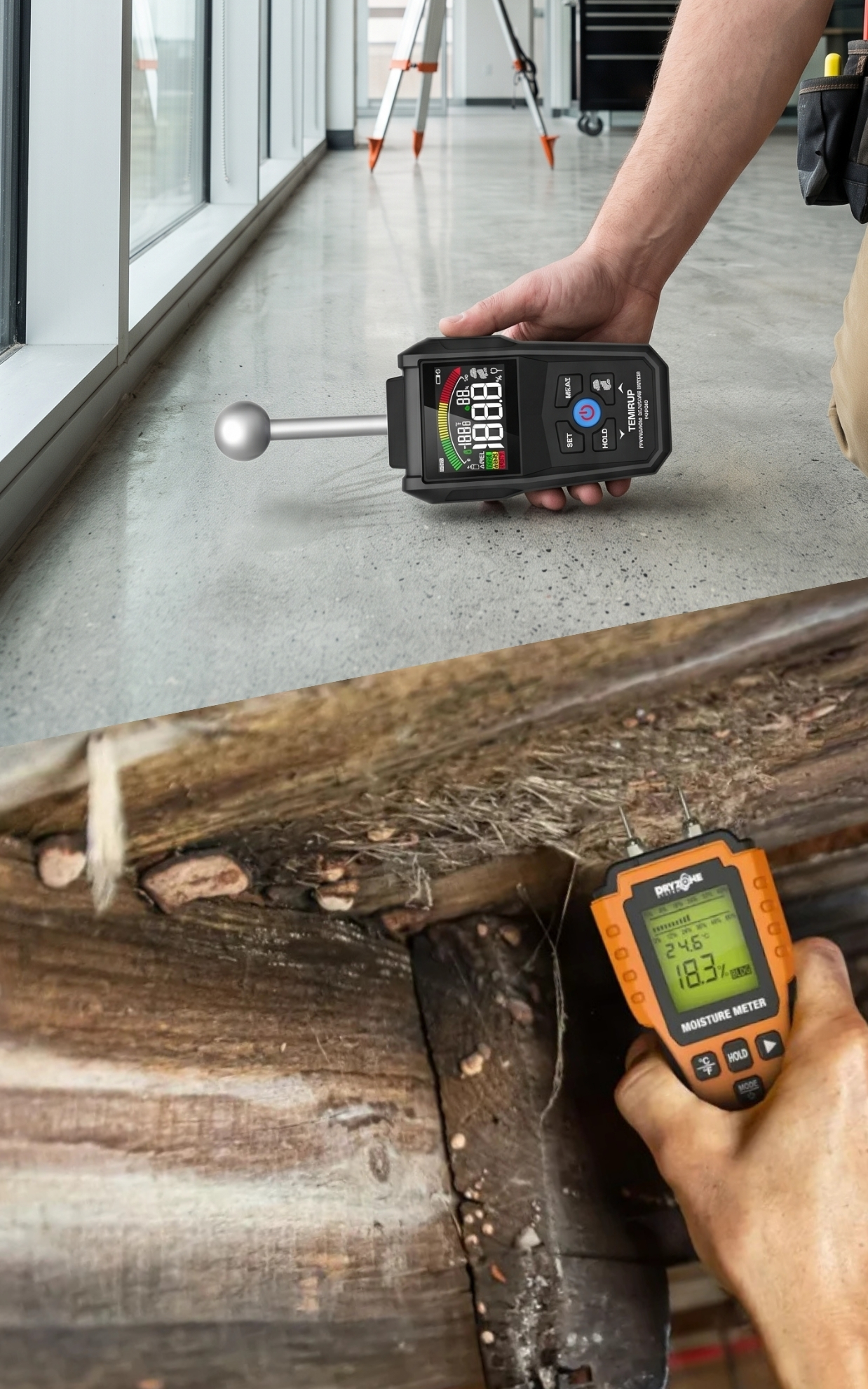
Executing the Level 3 investigation involved checking living areas, service spaces and sanitary systems using electronic moisture meters, thermal cameras and DNA swab testing.
Diagnostic testing gathered definitive facts across the property:
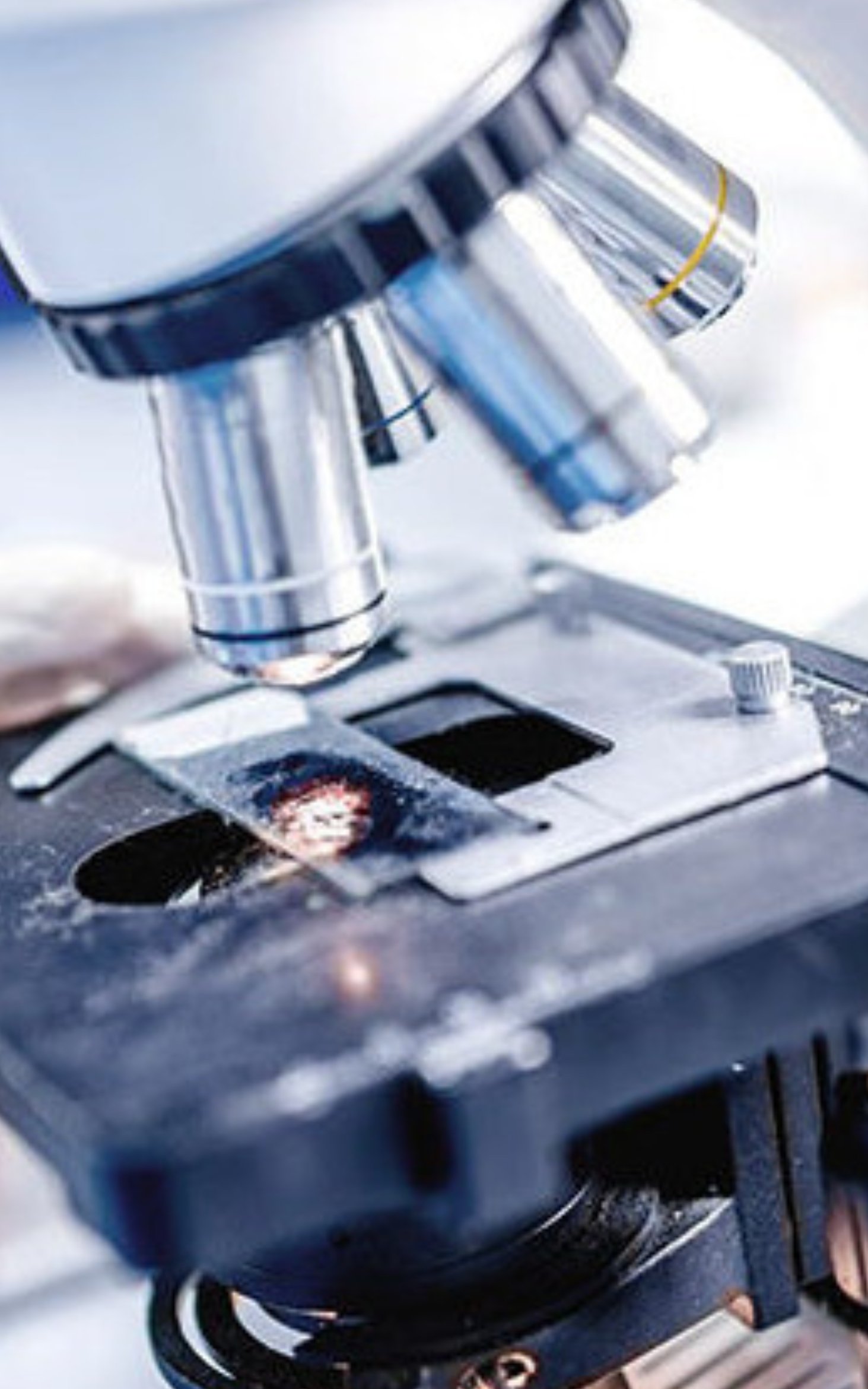
- qPCR DNA laboratory swab analysis of samples taken across all floors confirmed the presence of Cladosporium, Aspergillus, Penicillium and Alternaria mould species.
- Atmospheric testing showed elevated humidity across the house, with ventilation tests confirming the two upper bathroom extractor fans operated correctly, while the downstairs utility/washing machine room fan was completely broken.
- Thermal imaging and surface moisture meters detected no penetrating damp, rising damp, active plumbing leaks, or drainage blockages, noting only slightly raised damp readings on the kitchen floor that were not serious.
- Inspection of structural components confirmed sound conditions throughout, with no evidence of wet rot, dry rot, or woodworm in accessible timbers.
The evidence confirmed that moisture released from unvented indoor laundry drying was accumulating due to the failed downstairs utility fan, migrating upstairs to condense on the front bedroom wall.
The Solution
The report specified a practical, step-by-step strategy to control indoor humidity and eliminate mould:
- Clean the front bedroom wall using a suitable mould cleaner while maintaining good room ventilation.
- Repair or replace the broken extractor fan in the downstairs utility/washing machine room.
- Deploy a dehumidifier in a central ground floor area (adding a second unit upstairs if humidity stays elevated), operating on automatic mode set to approximately 55% relative humidity.
- Configure the dehumidifier with a permanent drain or direct its hose into a 15-litre water bottle or tank for extended running times.
- Maintain closed bathroom doors during showers, allow upper fans to run post-shower and avoid unvented indoor clothes drying.
The Outcome
The homeowner gained absolute certainty that their house was free from structural dampness, rot and plumbing leaks. Armed with an independent report, they avoided unnecessary building work and resolved the mould by repairing a utility fan and managing indoor air humidity.
Why This Case Matters
Misdiagnosing atmospheric condensation as penetrating damp frequently leads homeowners to fund expensive, ineffective wall rendering. Independent damp diagnostic surveys use DNA laboratory analysis and thermal checks to address true root causes, ensuring maintenance funds are spent effectively.