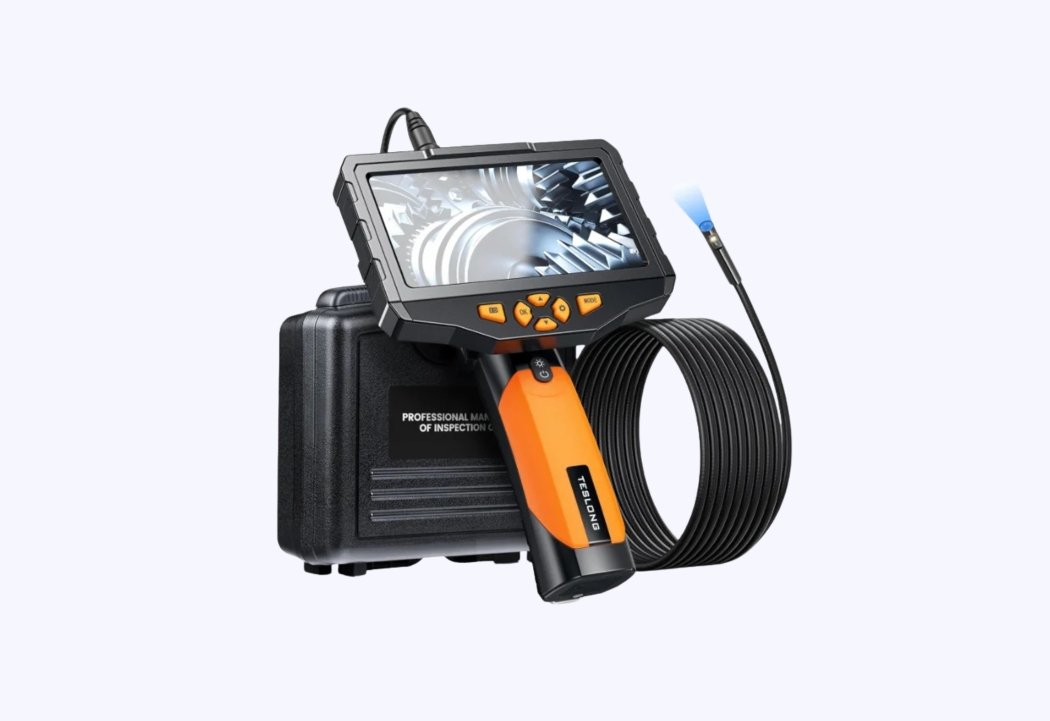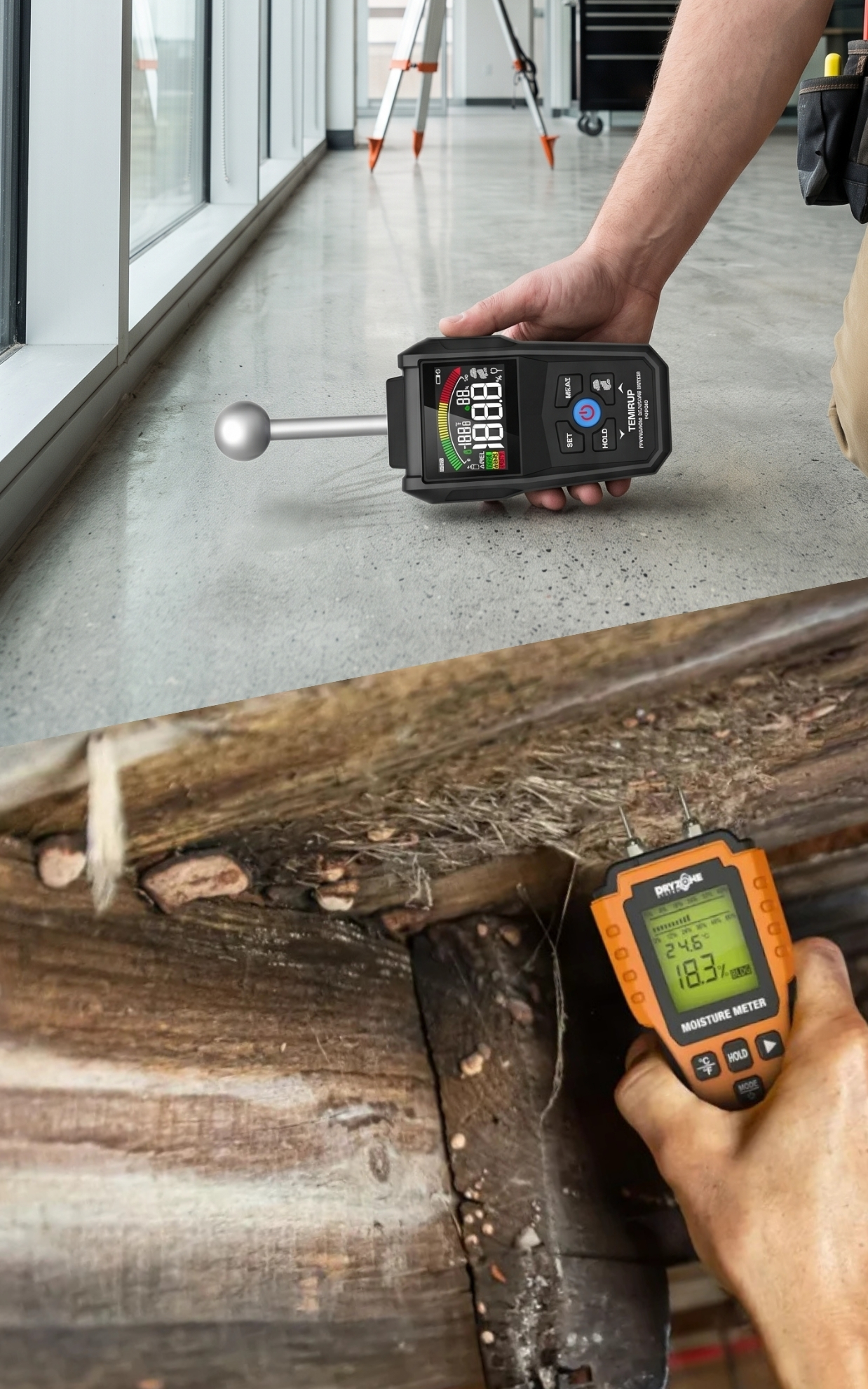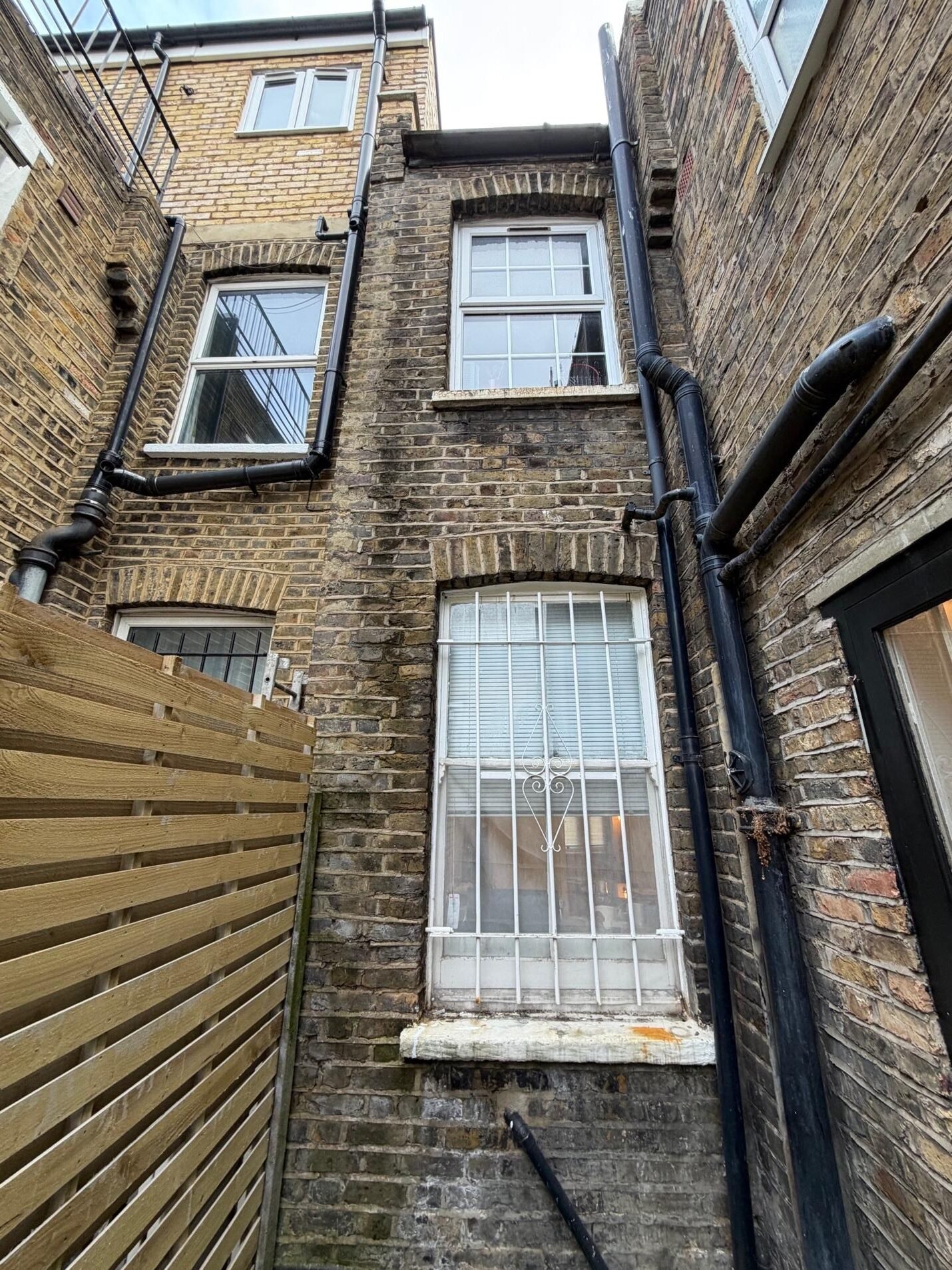
A comprehensive Level 3 damp survey was undertaken for a ground floor flat in South Lambeth (SW8). The property owner instructed an independent investigation to evaluate internal mould problems and establish an accurate building health baseline. The assessment provided an impartial evaluation free from contractor bias.
About the Issue
Mould growth appearing around the bay window, inside the rear room cupboard and along the exterior bedroom window wall raised concern for the homeowner. Unsure whether rainwater was penetrating external brickwork or if ground moisture was rising through the floor, they sought an expert diagnosis.
The Challenge
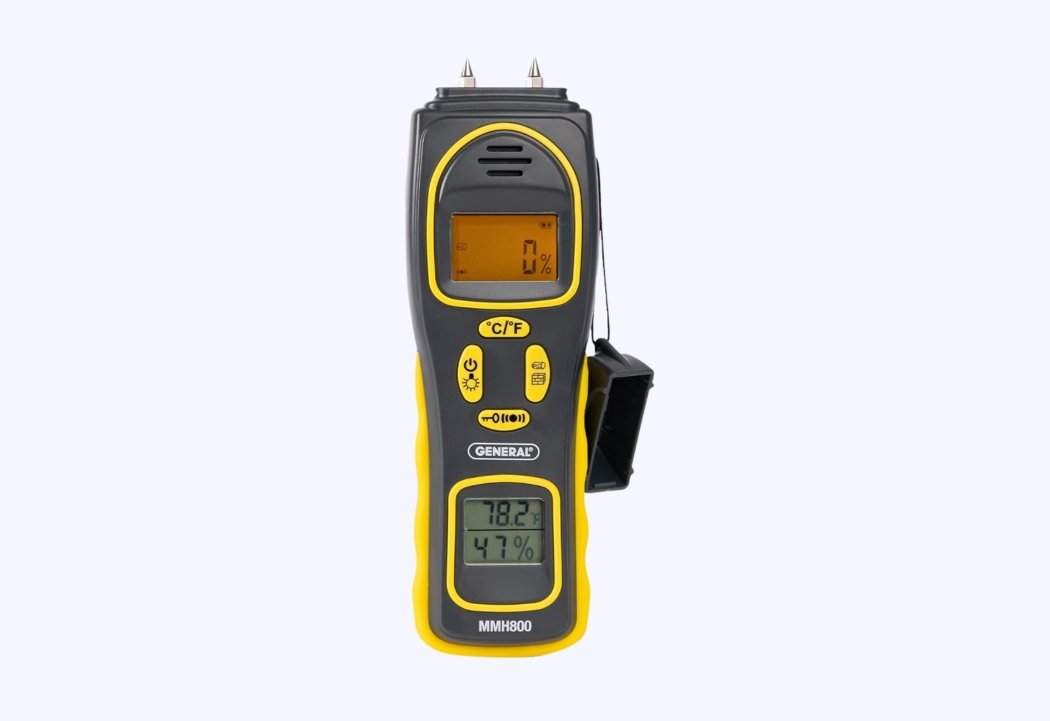
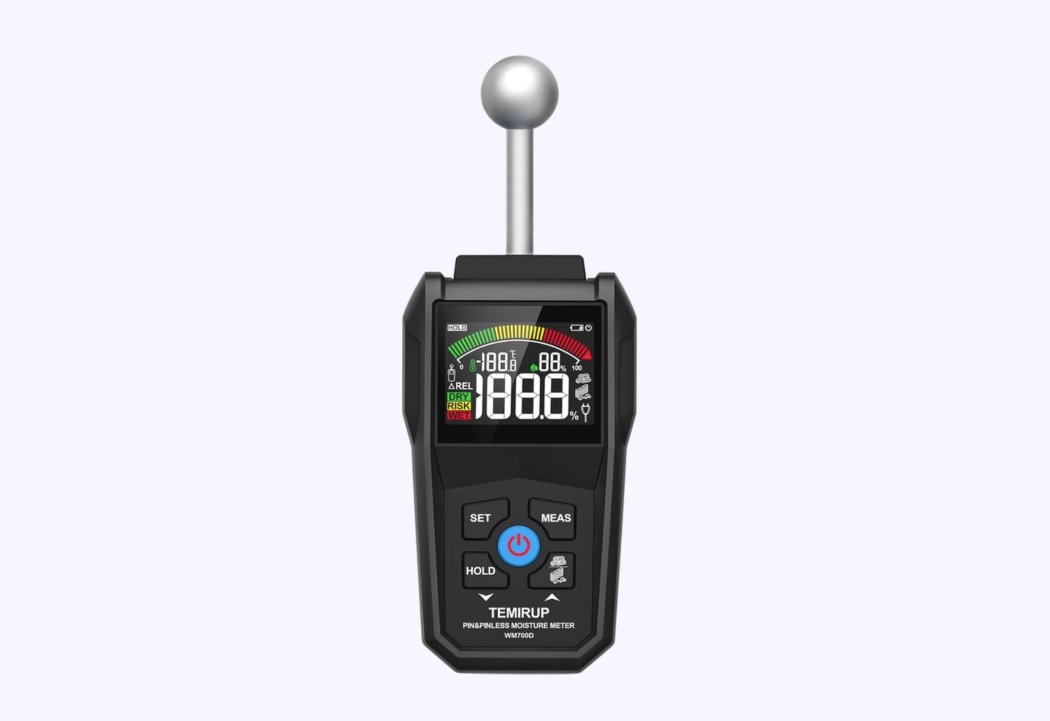
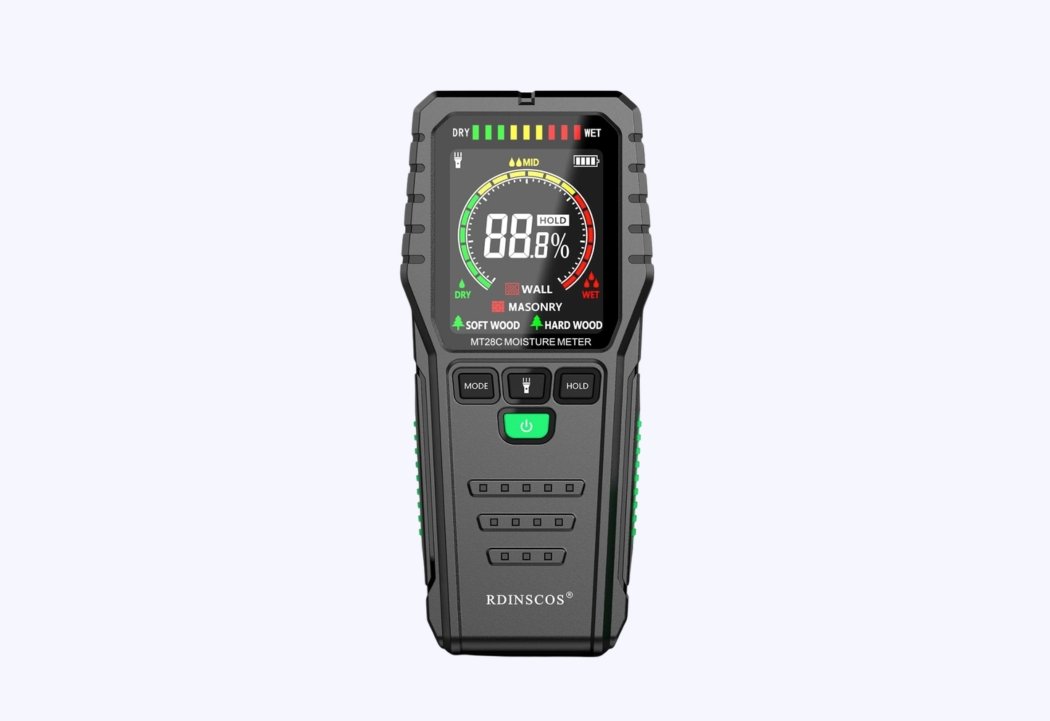
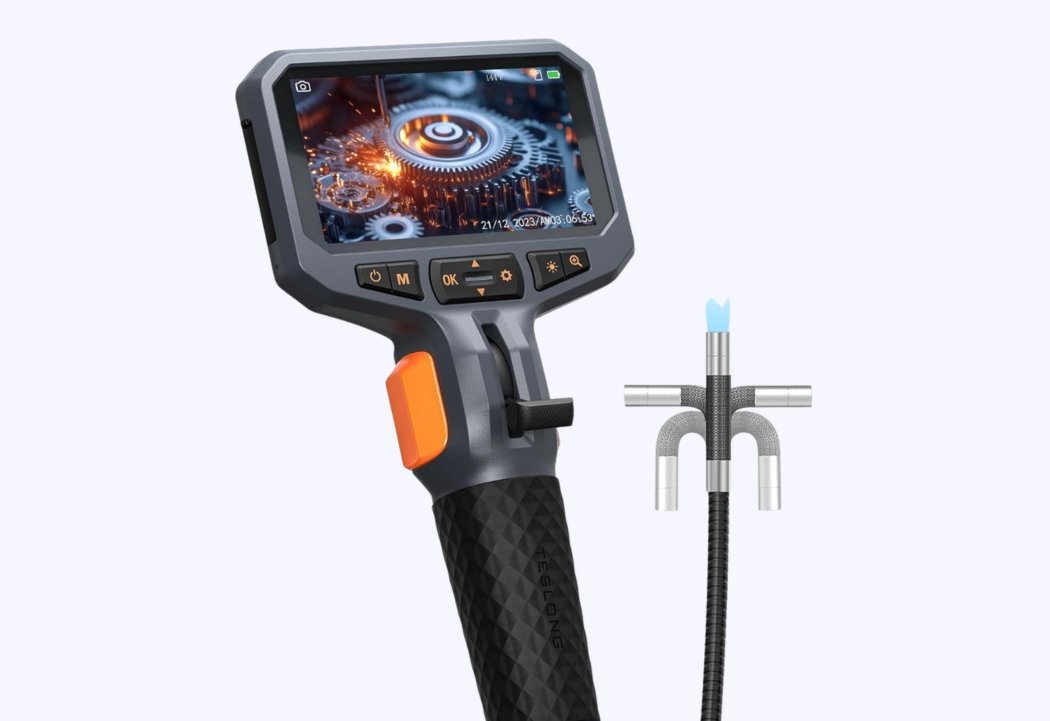
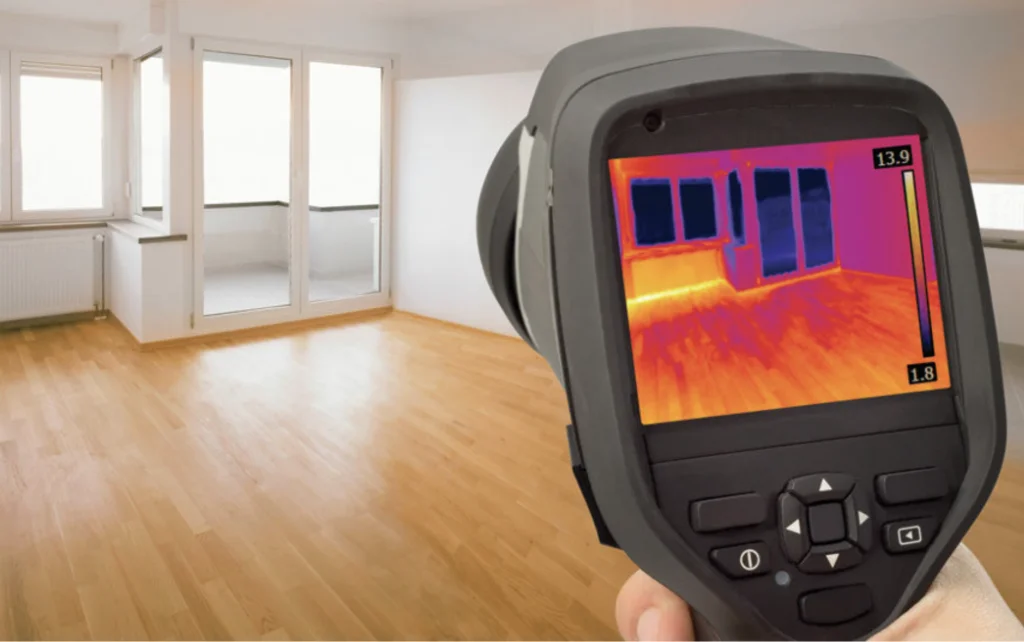
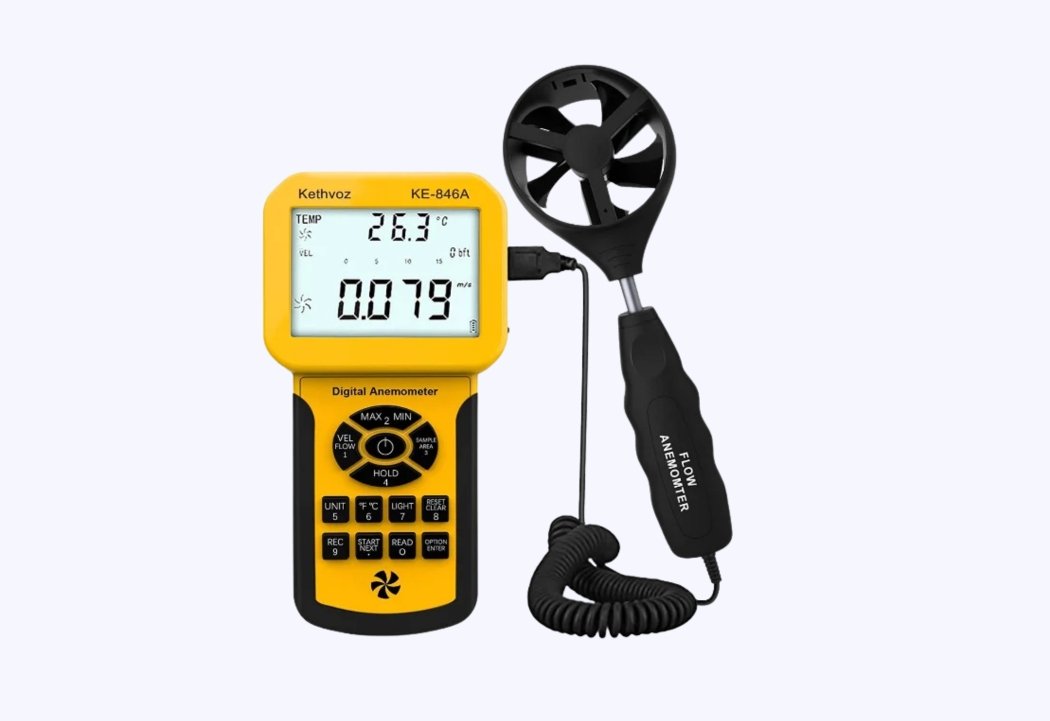
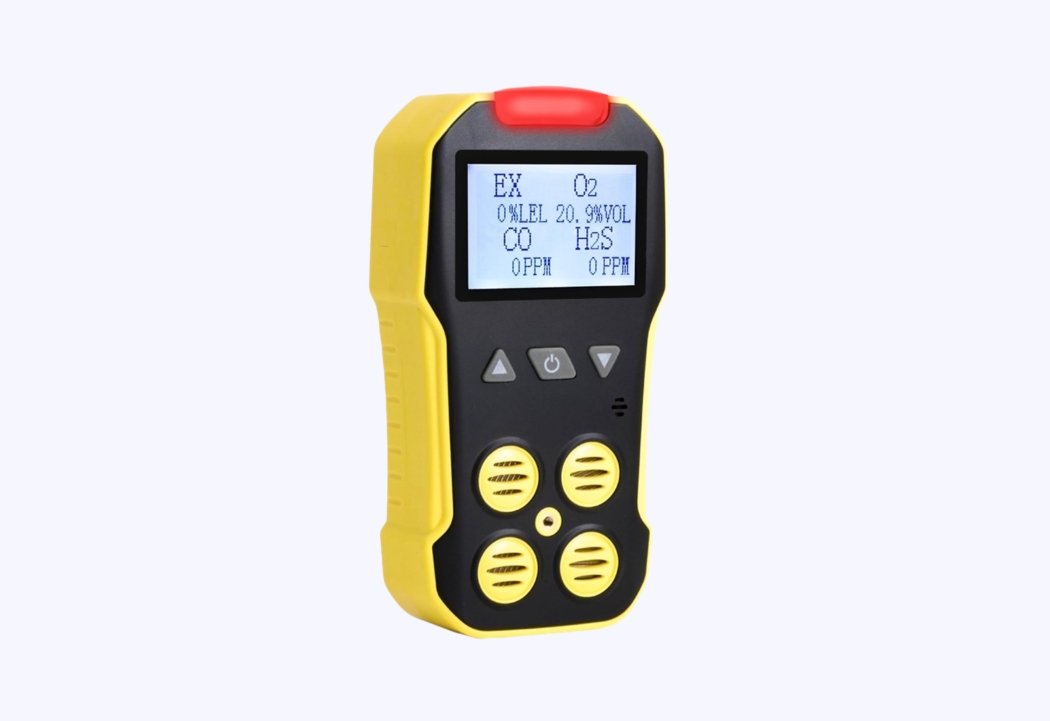
Executing the Level 3 survey required investigating internal living spaces, measuring environmental air parameters, scanning walls with thermal cameras and conducting aerial drone checks of the roof.
The diagnostic investigation produced clear quantitative evidence:
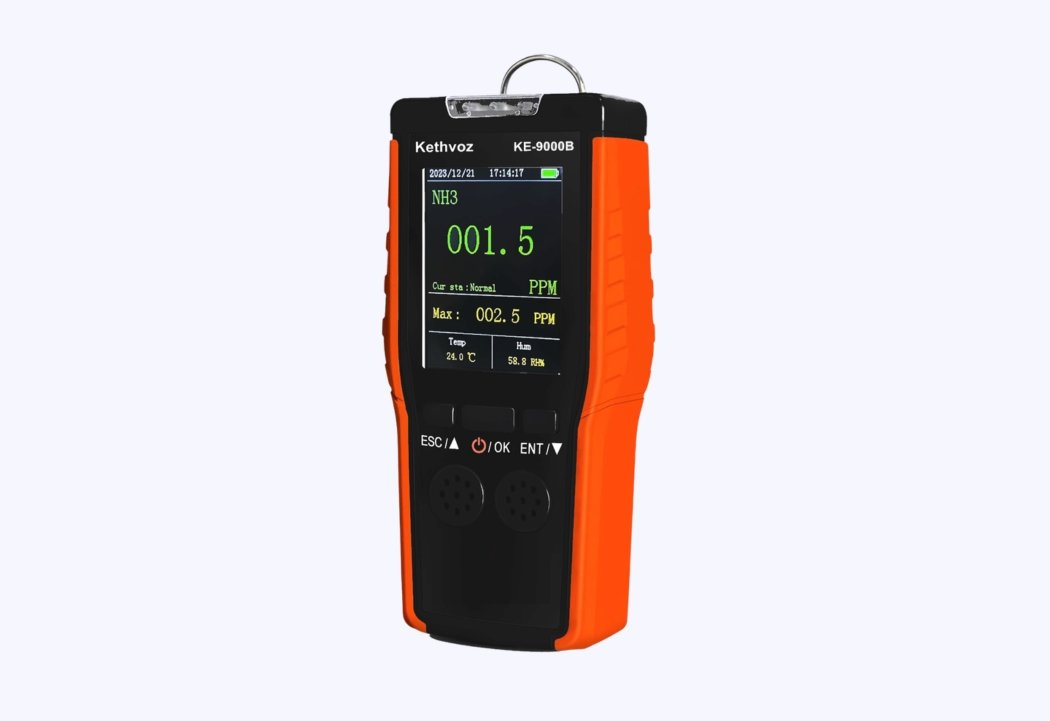
- Relative humidity testing recorded atmospheric levels at 75%, exceeding the recommended indoor parameter of approximately 40–60%.
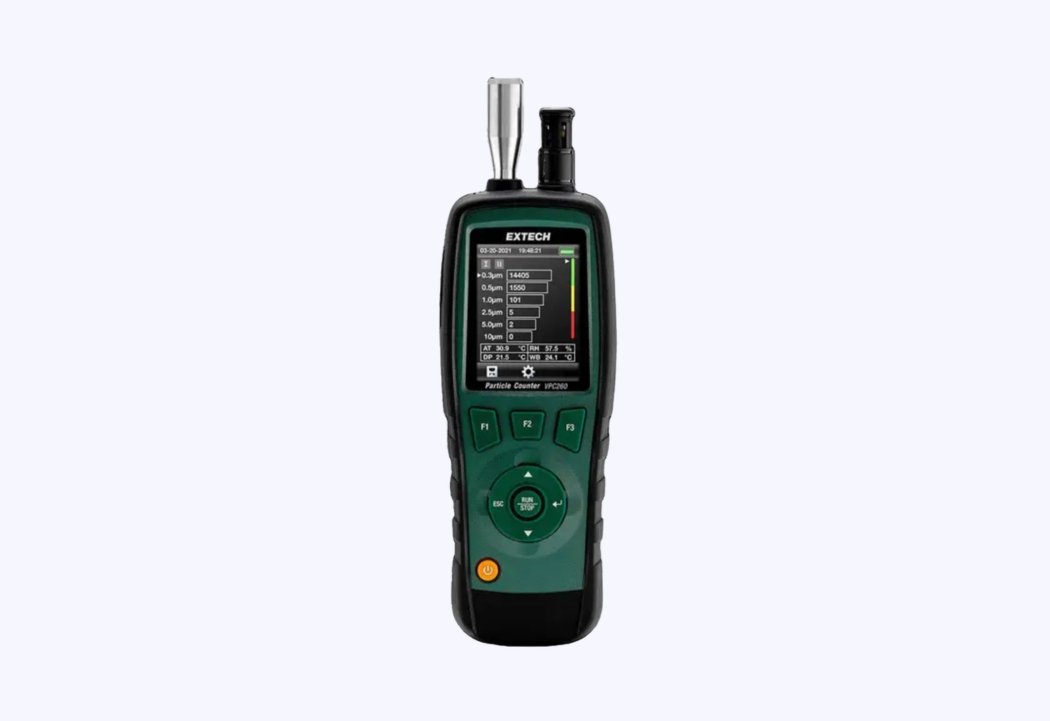
- Thermal imaging highlighted several cold bridges within wall masonry, aligning precisely with internal mould growth.
- Comprehensive DPC inspection verified the damp proof course was intact and provided proper protection against rising damp.
- Ceiling dampness above the rear door was traced to an active leak from the flat above, whereas visible drains, plumbing, brickwork pointing and structural timbers showed zero leaks, rot, or woodworm.
External drone appraisal revealed leaking rear rainwater pipes, a missing gutter end cap, debris build-up, fungal growth, roof organic growth over old patch repairs, uncapped chimney pots surrounded by cracked, blown render and degraded mortar and an uncapped upstairs balcony wall absorbing rainwater.
The Solution
The survey detailed a comprehensive action plan targeting indoor microclimate controls and exterior weatherproofing:
- Close bathroom doors during showering and run the extractor fan until steam clears externally, while ensuring proper ventilation when cooking.
- Utilise a dehumidifier to reduce airborne moisture in the short term.
- Line cold external walls with thermal plasterboard to elevate surface temperatures and stop condensation.
- Have the upstairs occupier or managing agent repair the leak above the rear door.
- Fix rear rainwater goods by clearing gutter debris and fungal growth and installing a missing end cap.
- Cap all chimney pots, replace blown render and repoint the chimney stack.
- Commission a qualified roofer to overhaul the roof covering and fit a concrete coping or plinth to the balcony wall.
The Outcome
The survey provided the homeowner with absolute peace of mind regarding the building’s structural health. They avoided spending money on redundant damp proof course injections, focusing instead on installing thermal plasterboard and organising exterior roofline repairs.
Why This Case Matters
High relative humidity combined with cold wall bridging inevitably produces mould, even when structural damp proofing is 100% effective. Independent surveys differentiate between environmental condensation and building envelope failures, preventing property owners from wasting money on wrong repairs.