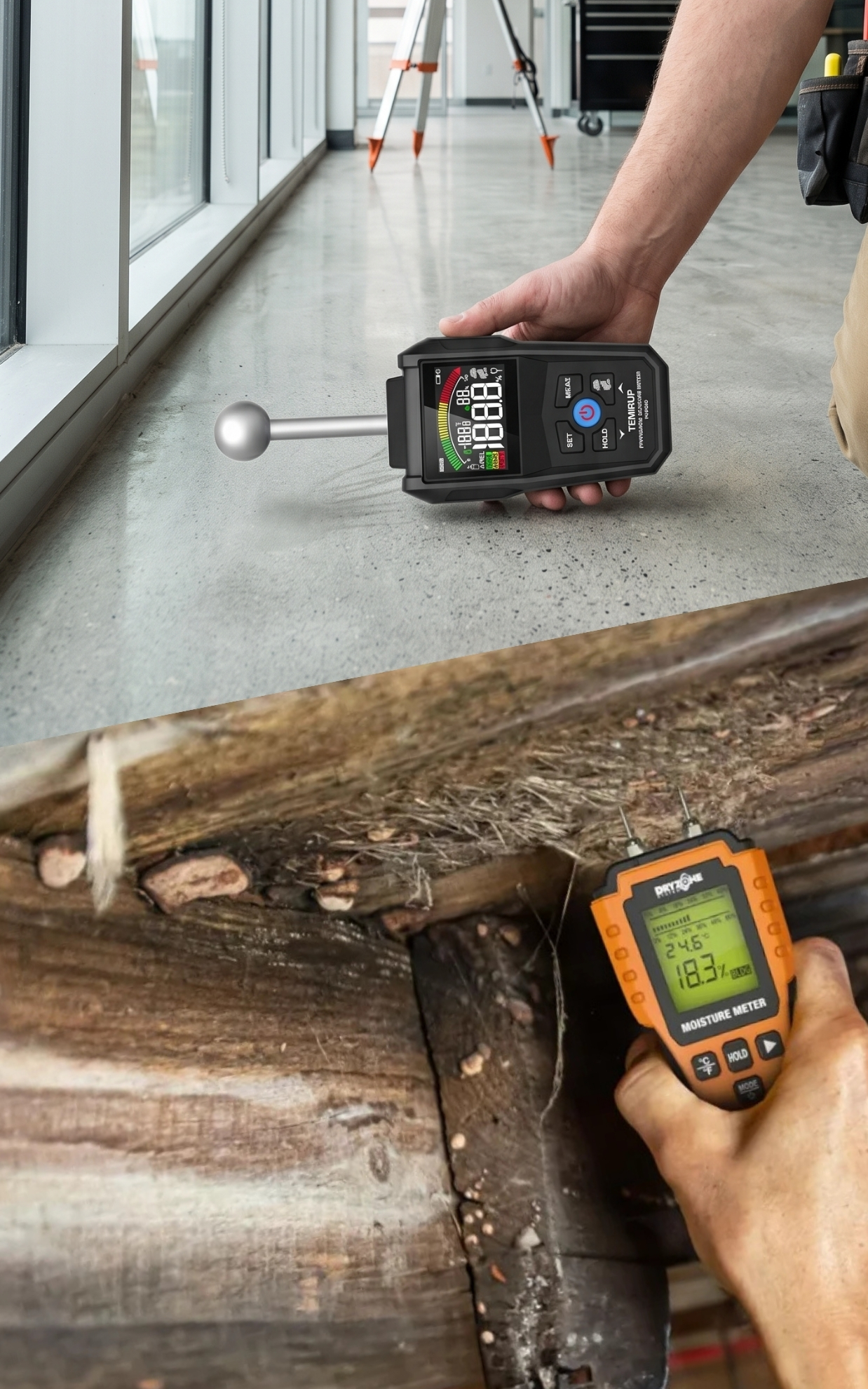
An independent Level 3 damp survey with mould laboratory swab testing was commissioned for a residential house in Bethnal Green (E2). The property owner arranged the comprehensive evaluation to identify the exact cause of localised wall mould and elevated indoor moisture. Instructing an independent specialist ensured the assessment was driven by objective laboratory data rather than sales targets.
About the Issue
The homeowner noticed dark mould patches spreading along a wall inside the first-floor front bedroom. Concerned that hidden plumbing leaks, penetrating rainwater, or structural timber rot were developing behind the finishes, they requested a thorough health check to rule out major building defects.
The Challenge
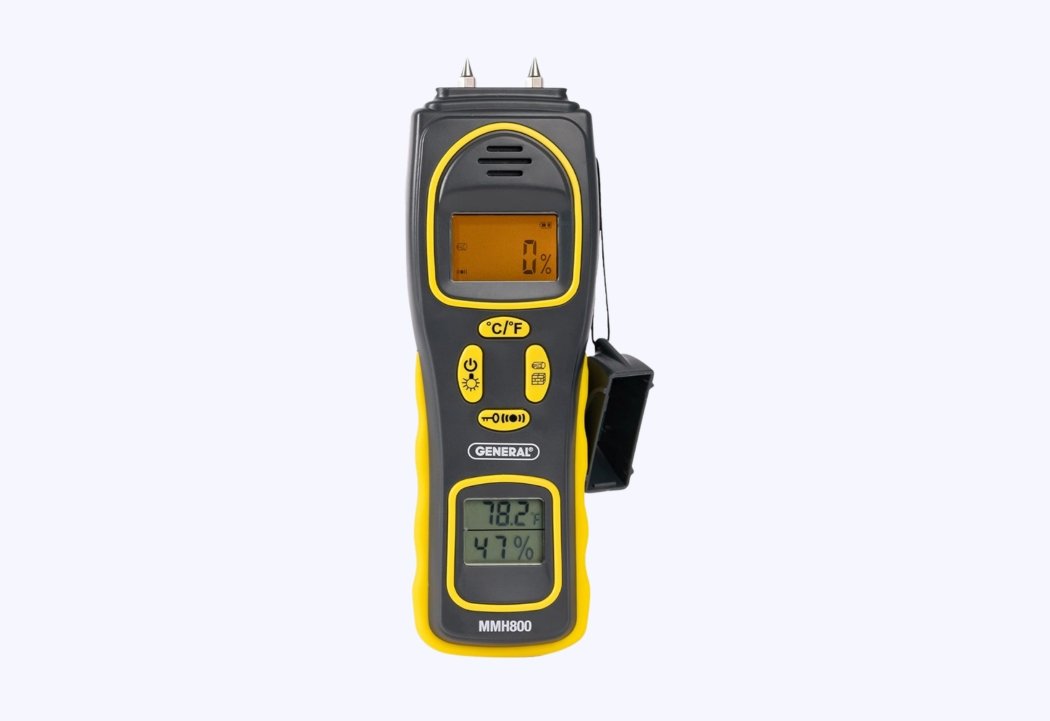
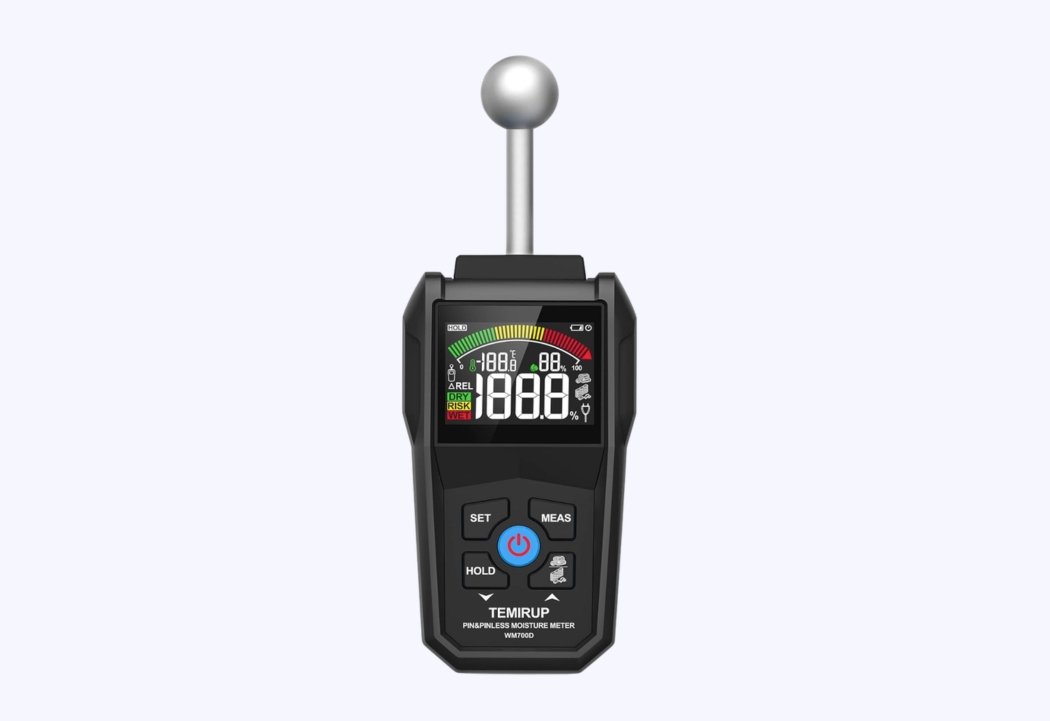
A Level 3 damp survey was undertaken across the entire house, incorporating thermal imaging, electronic moisture mapping, hygrometer testing and laboratory swab sampling. The goal was to establish whether the mould resulted from liquid water penetration or atmospheric condensation.
The multi-stage diagnostic process provided clear evidence:
- Swab samples collected across all floors and submitted for qPCR DNA laboratory analysis confirmed positive growth for Cladosporium, Aspergillus, Penicillium and Alternaria species, a profile typical of atmospheric surface condensation.
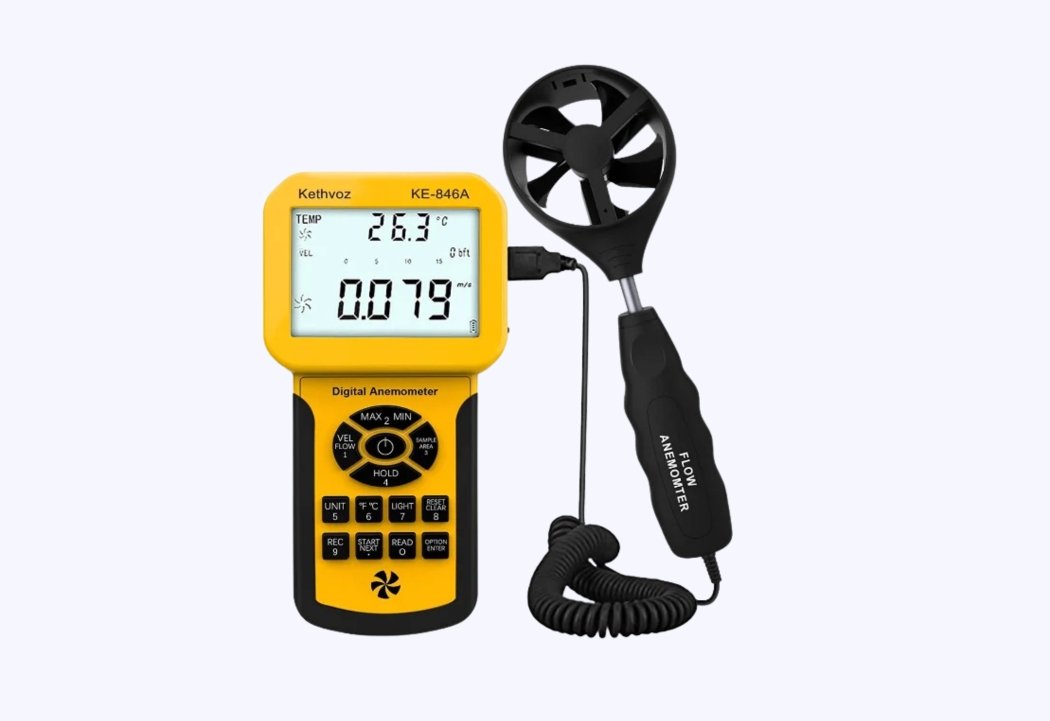
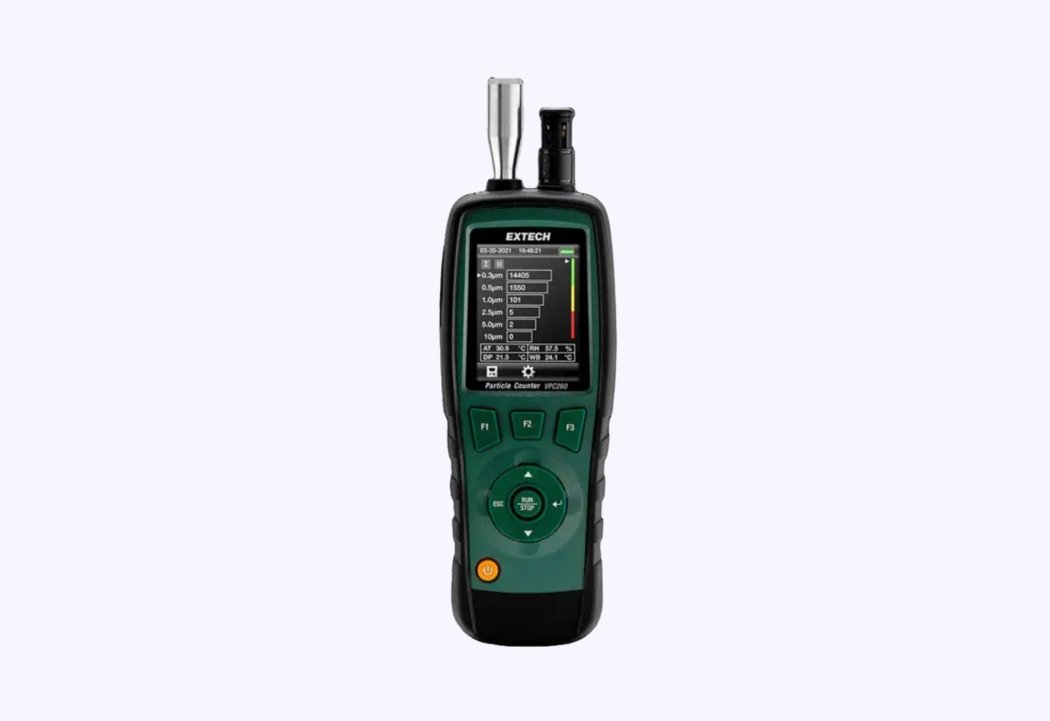
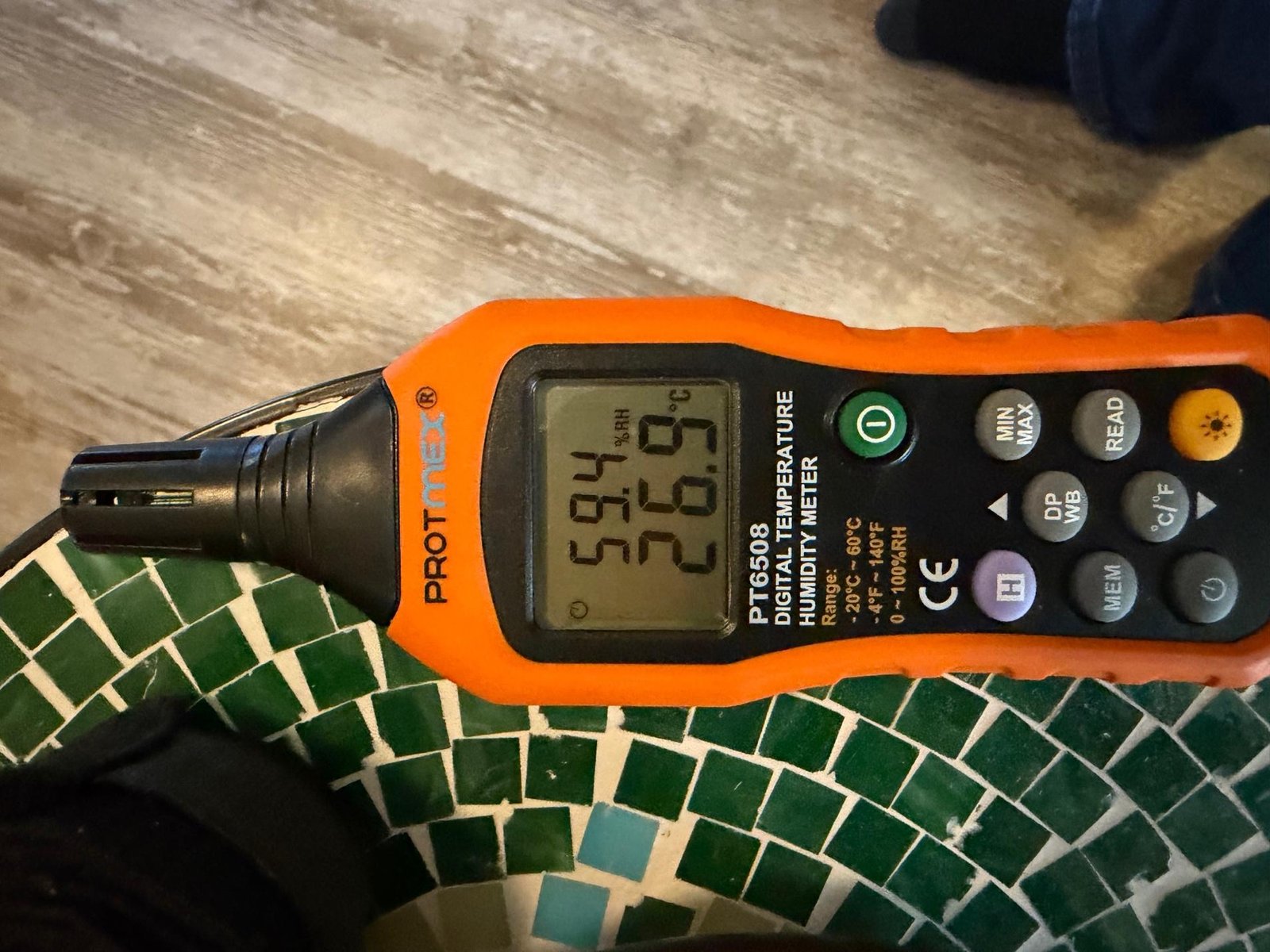
- Air humidity testing revealed high internal humidity throughout the property, with functional checks confirming that extractor fans in the two upper bathrooms were working properly, whereas the extractor fan in the downstairs utility/washing machine room was non-operational.
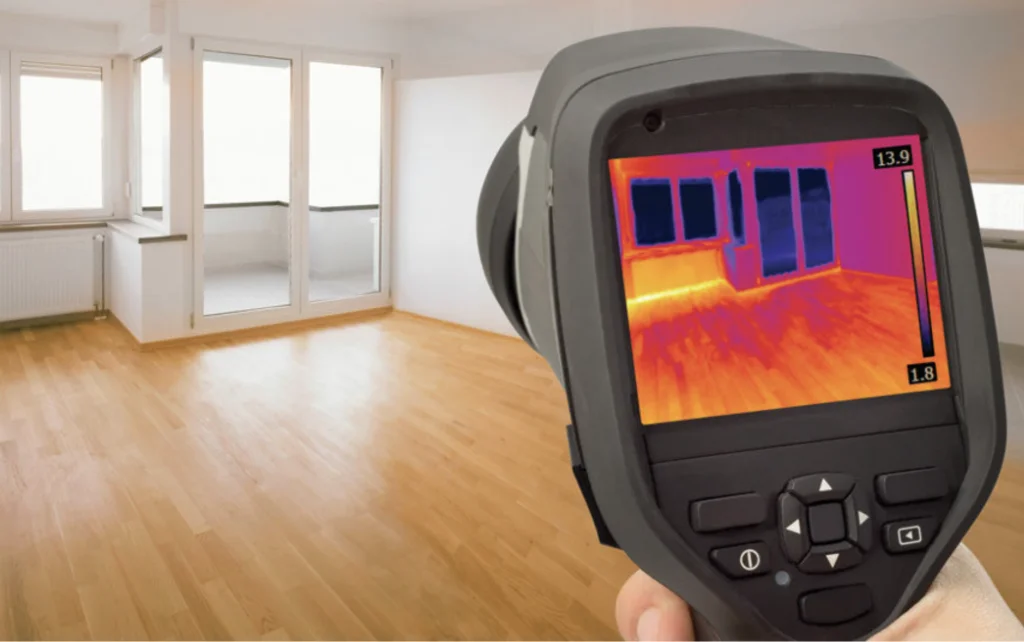
- Infrared thermal imaging and wall moisture testing recorded zero evidence of rising damp, penetrating damp, plumbing leaks, or blocked drainage, while kitchen floor testing showed only slightly raised damp readings that were not serious.
- Visual and physical inspections confirmed sound structural conditions, with zero dry rot, wet rot, or woodworm in accessible timbers.
The diagnostic reasoning proved that high internal humidity, generated primarily by drying clothes indoors and exacerbated by the broken downstairs utility fan, was spreading through the house and condensing on the colder front bedroom wall.
The Solution
To eliminate airborne moisture and prevent fungal recurrence, the report detailed a clear action plan:
- Clean the affected first-floor front bedroom wall using a suitable mould cleaner and ensure thorough ventilation during treatment.
- Repair or replace the non-working extractor fan in the downstairs utility/washing machine room to extract laundry moisture at source.
- Install a dehumidifier in a central area such as a hallway (starting on the ground floor, with a second unit on the first floor if required) set to approximately 55% relative humidity on automatic mode.
- Utilise a constant drain hose routed either into a drain or a 15-litre water bottle/tank to ensure continuous operation.
- Keep bathroom doors closed during showering and leave upper extractor fans running afterwards, while refraining from drying clothes indoors without active dehumidification or ventilation.
The Outcome
The property owner received complete peace of mind, discovering that their home was structurally sound with no pipe leaks, roof penetration, or timber decay. By opting for an independent survey, they avoided thousands of pounds in unnecessary damp proofing treatments, resolving the issue through a fan repair and targeted humidity management.
Why This Case Matters
Indoor clothes drying combined with a single broken extractor fan can easily elevate household humidity enough to cause severe bedroom mould. Independent diagnostic surveys use advanced tools like qPCR DNA swab testing and thermal imaging to prove when mould is environmental, protecting property owners from paying for unneeded structural damp proofing.