Times when it’s imperative to seek out an independent damp surveyor near me
It is something that can be looked upon with great pride when you become a homeowner in London. It’s a sure sign that your hard work is paying off, and you can look forward to many years of comfortable living once the property has been adapted and your personal stamp has been put on it. This might be through changing the décor and adding home entertainment systems and comfortable furniture to enjoy it from, as well as new fixtures and fittings.
However, for all the joy that it brings, owning a property in London brings with it a unique set of challenges caused by the geography of the city, with many parts being built on clay and getting its fair share of wet and humid weather conditions. This can lead to moisture and damp, creating all kinds of problems that can be expensive to put right. Here are times when you should consider contacting an independent damp surveyor near me.
Those who have bought a period property, perhaps going back to the Victorian and Edwardian eras with their terraces, were built before modern damp-proofing. It is essential that they receive the eye of an expert pre-purchase damp survey, ideally carried out by one of our experienced professionals at London Damp Specialists a before purchase. If an owner decides that they wish to sell, the same applies. A professional survey can identify and resolve issues early, preventing damp from reducing your property’s value in London’s competitive market, so that any remedial work can be carried out, and the highest asking price can be obtained.
It is wise for you as a homeowner to carry out routine inspections regardless of having any experience in spotting damp, as it is easy to identify in many cases. For instance, discovering visible damp patches and unusual marks on walls, peeling paint, or bubbling plaster offer strong reasons to suspect hidden moisture that requires a call to an independent damp surveyor. If you happen to be moving into a basement or garden flat, it is important to remember that they are particularly prone to rising damp, leaks, and condensation.
Homes near the River Thames, canals, or those that are in low-lying areas are at greater risk and should be checked after extreme weather in case cracks in walls have let in any water. Sometimes when warm weather follows rain, you might notice a persistent musty smell. Even without visible signs, the strong odours often signal concealed damp or mould growth inside walls and floors, which need checking over by an independent specialist damp surveyor. If you are moving into somewhere after a long-term vacancy which has been left unoccupied without heating or ventilation, it can quickly develop damp problems that require a professional assessment, so that health issues are avoided, which can be linked to hidden mould and damp.
Congratulations if you are a property owner in London. You’re doing great. Call us any time on 020 7205 4886 to arrange an independent damp survey you can trust.
Damp Survey Costs
Transparent pricing with no hidden fees for our independent, unbiased surveys.

Level 1
What’s included:
- Inspection of walls
- Inspection of floors
- Inspection of ceilings
- Leak inspection of drains and plumbing
- Damp information and prevention guide

Level 2
What’s included:
- Everything in Level 1
- Dry rot inspection
- Wet rot inspection
- Woodworm inspection
- Damp information and prevention guide
Level 3 (Most Popular)
What’s included:
- Thermal Imaging
- Air humidity testing
- HD boroscope camera
- Brickwork pointing inspection
- DPC inspection
- Ventilation flow test on extractor fans
- 4K drone imagery roof, chimney stack
and guttering inspection - Structural condition inspection
- Inspection of walls
- Inspection of floors
- Inspection of ceilings
- Leak inspection of drains and plumbing
- Dry rot inspection
- Wet rot inspection
- Woodworm inspection
- Damp information and prevention guide
Survey Add Ons
Add On 1
Laboratory analysis Of plaster identifies hygroscopic salts such as chlorides and nitrates. which indicate whether damp is caused by rising groundwater or by plumbing leaks, This testing removes guesswork, allowing the exact source of moisture to be identified so the correct treatment is applied rather than carrying out unnecessary damp-proofing work.
Add On 2
qPCR DNA mould testing detects microscopic mould spores that are invisible during a normal inspection and van remain hidden behind walls, floors. or inside building rkaterials. It identifies the exact mould species present and the contamination level, allowing hidden mould problems to be confirrned and properly treated before they affect the property or occupants’ health.
Qualifications: All our surveyors are PCA and CSRT qualified for remedial treatments and also CSSW qualified for structural waterproofing.
Next day report: You will receive the report within 24 hours of the inspection taking place.
These are the tools we use

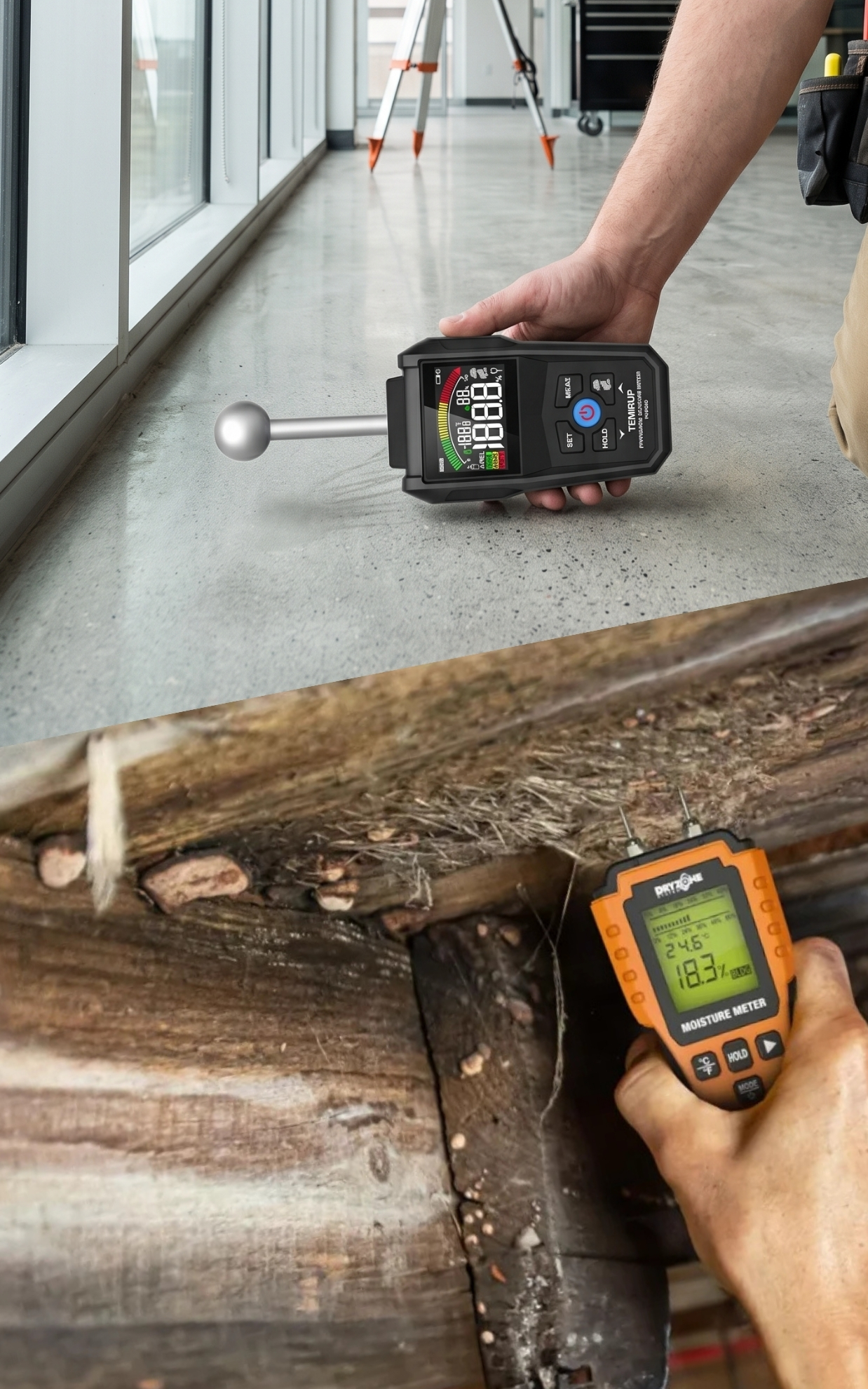
Damp Meter
A damp meter is a diagnostic tool used to detect and measure moisture levels within building materials such as plaster, brick, timber, and concrete.

Borescope camera
borescope camera is a small inspection camera attached to a flexible semi-rigid cable that allows you to see inside areas that are otherwise inaccessible.

Drone Inspection
A drone is a remotely operated aerial device equipped with a camera that allows visual inspection from above without the need for scaffolding or ladder.

Air Humidity Sensor
Air humidity sensor measures the amount of moisture present in the air, expressed as relative humidity (RH) in percentage. It helps determine whether indoor conditions are contributing to condensation, mould growth, or damp-related issues.

Thermal Imaging Camera
A thermal imaging camera detects temperature differences on surfaces by using infrared technology to produce a heat map image. In damp investigations, it helps identify cold spots, moisture intrusion, insulation defects, thermal bridging and leaks.

Air Flow Ventilation Detector
An air flow ventilation detector measures the movement and volume of air passing through vents, extractor fans, and air bricks. It confirms whether ventilation systems are working properly and achieving adequate air changes within a room. Poor airflow leads to trapped moisture, high humidity, condensation on cold surfaces, and ultimately mould growth.

Mould Lab Swab Testing
A mould swab test is carried out to confirm the presence of hidden mould growth and identify the specific species involved. Surface mould is not always visible, especially behind furniture, inside cavities, or within ventilation systems. Laboratory analysis of a swab sample determines whether active mould spores are present and what type they are, which helps assess potential health risks and decide the correct remediation approach rather than relying on visual assumption alone.

Lab Analysis of Plaster
Laboratory analysis of plaster is used to identify the type of salts present within the material, typically chlorides and nitrates. The presence and concentration of these salts help determine whether the moisture source is consistent with rising damp, ground contamination, or another forms [sic] of water ingress. such as mains water leak, This removes guesswork and prevents misdiagnosis, ensuring the correct remedial treatment is specified rather than applying unnecessary or ineffective solutions.
Professional Damp Diagnostic Equipment
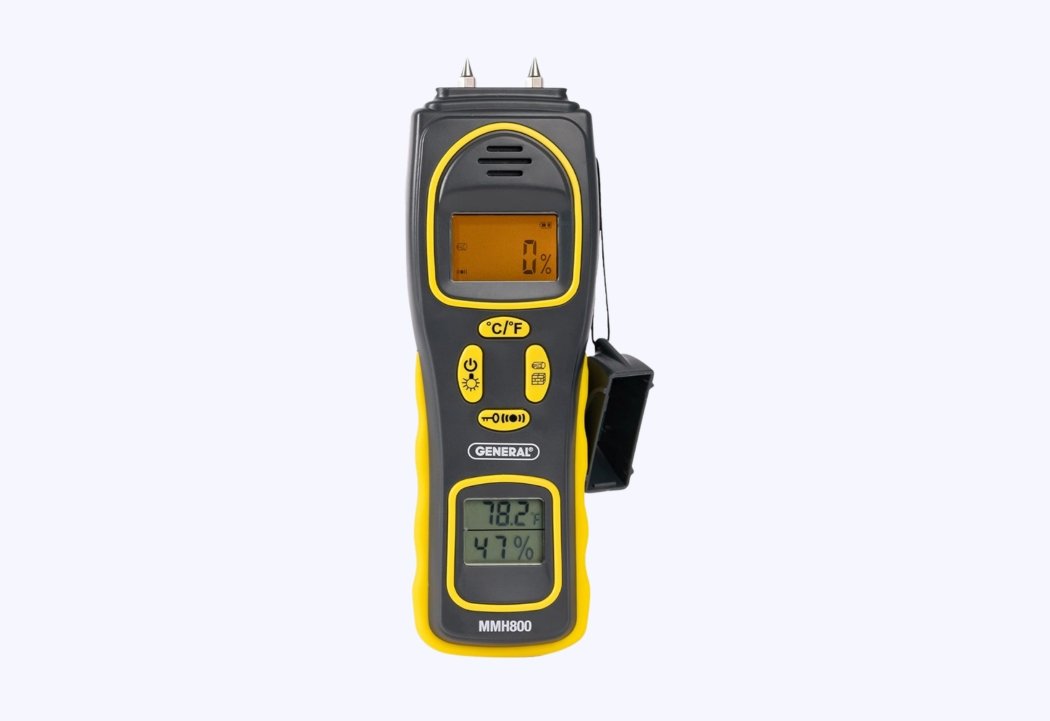
Surface Damp Meter
Purpose:
Takes comparative surface moisture readings across accessible walls, floors, ceilings, and building joinery.
Common Uses / Notes:
Maps surface moisture profiles to help identify rising damp, penetrating damp, condensation, or active plumbing leaks.
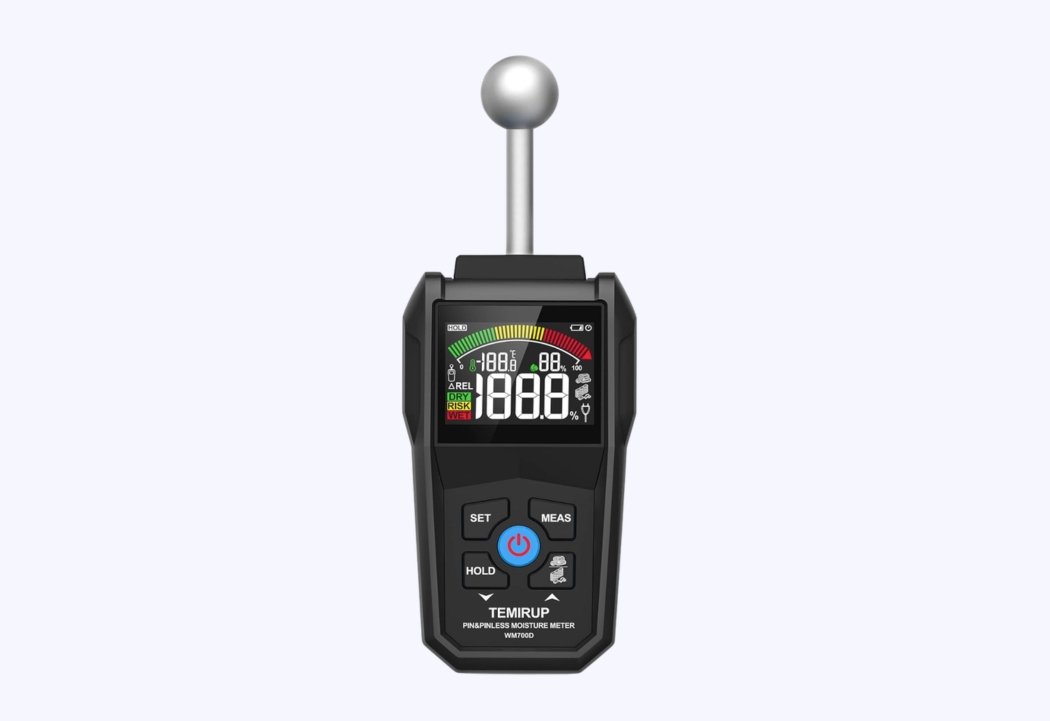
Deep-Penetration Damp Meter
Purpose:
Detects moisture changes deep below the immediate surface of structural materials without destruction.
Common Uses / Notes:
Evaluates dampness within wall cores, beneath floorboards, inside subfloors, and behind finishes without removing plaster.
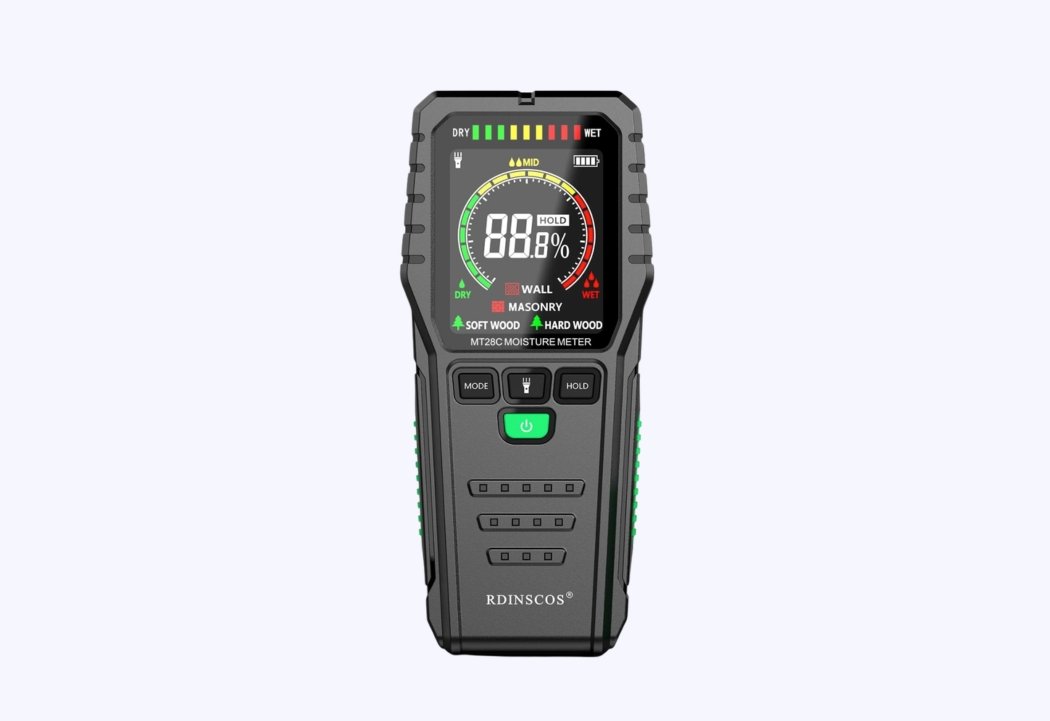
Non-Invasive Moisture Scanner
Purpose:
Scans surface planes non-invasively without inserting pins or probes into decorated finishes.
Common Uses / Notes:
Checks decorated walls, tiled surfaces, and delicate floor coverings to trace sub-surface water migration non-destructively.
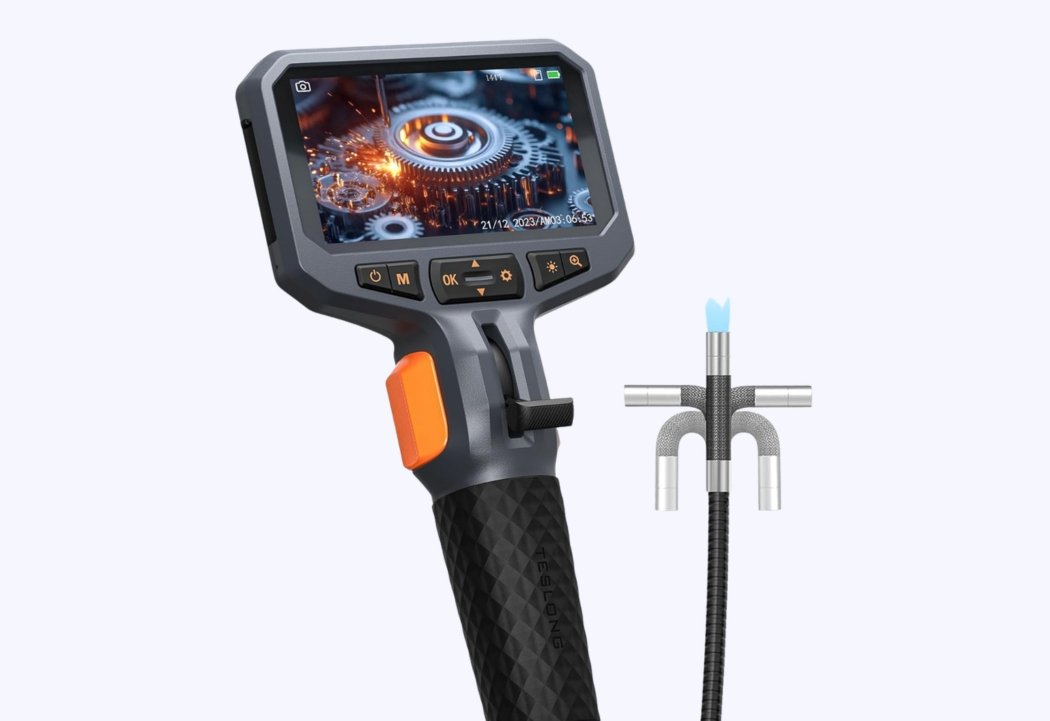
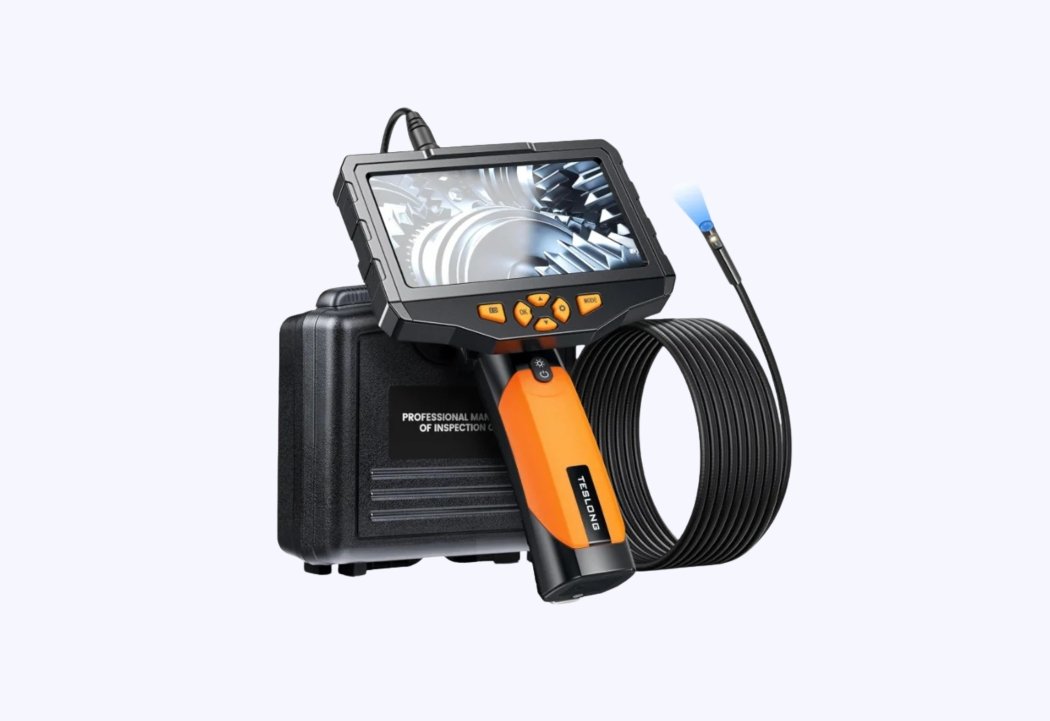
HD Borescope Inspection Camera
Purpose:
Provides high-definition visual examination inside enclosed, narrow, or inaccessible building cavities.
Common Uses / Notes:
Inspects subfloor voids, wall cavities, dry lining, and enclosed pipework to locate leaks and defects with minimal disruption.
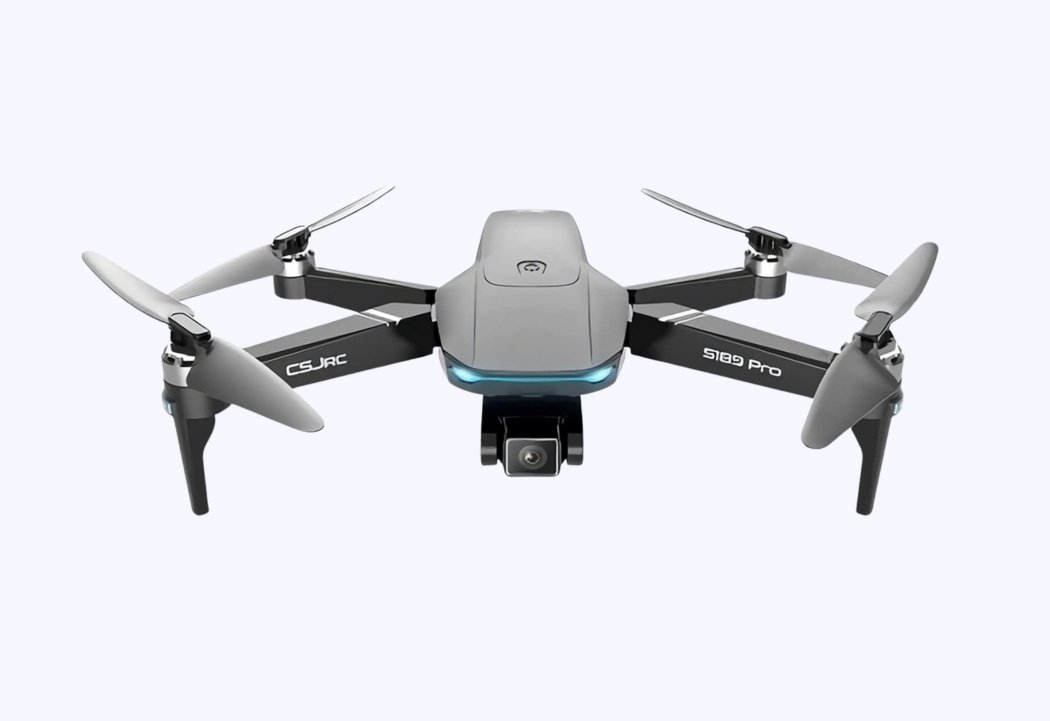
4K Inspection Drone
Purpose:
Captures high-resolution imagery and video of high-level external structures and rooflines.
Common Uses / Notes:
Inspects roof tiles, chimney stacks, lead flashing, parapet walls, valleys, and gutters to locate water ingress sources.
Air Humidity Sensor
Purpose:
Measures ambient air temperature and relative humidity (%RH) levels within living areas.
Common Uses / Notes:
Determines whether atmospheric moisture, cold bridging, or insufficient ventilation supports surface condensation and mould growth.
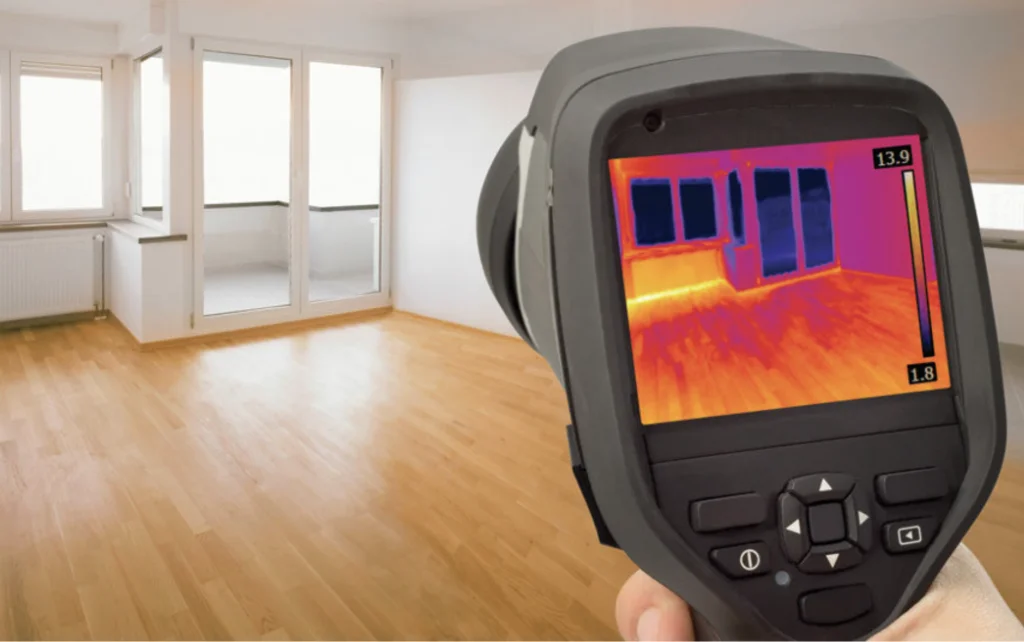
Thermal Imaging Camera
Purpose:
Visualises surface temperature differentials across walls, ceilings, and floors.
Common Uses / Notes:
Detects cold spots, missing insulation, thermal bridges, evaporative cooling zones, and concealed water leaks.
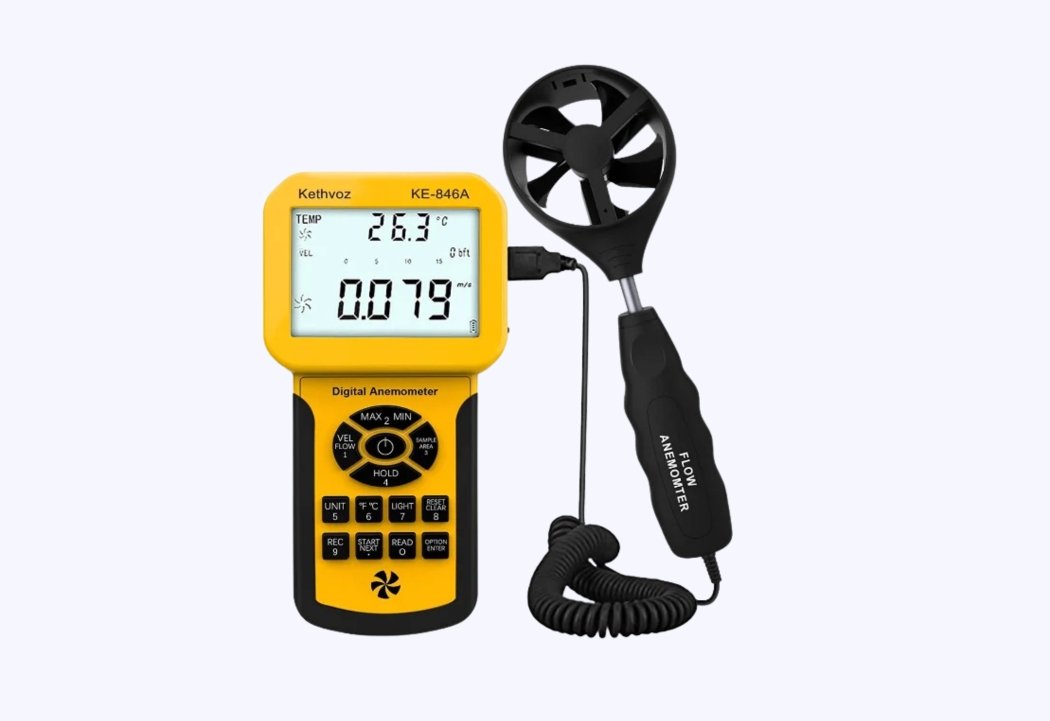
Airflow & Ventilation Detector
Purpose:
Measures volumetric air extraction performance (L/s or m3/h) of mechanical extractor fans.
Common Uses / Notes:
Tests kitchen, bathroom, and utility fans to verify compliance with UK Building Regulations Part F and control condensation
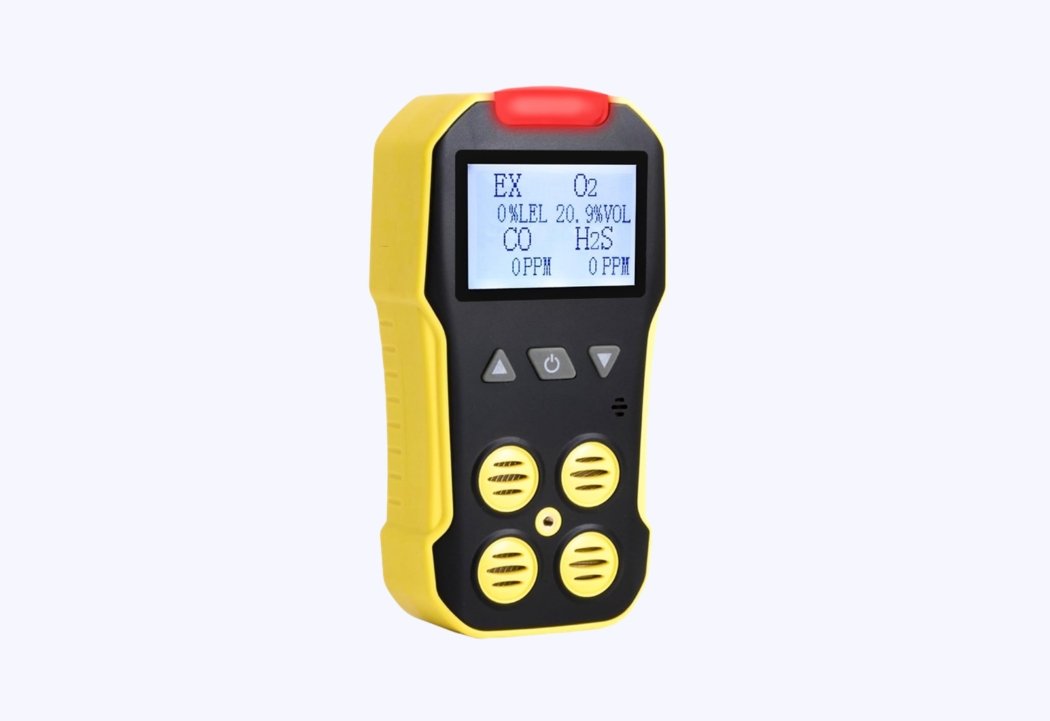
Gas Screening Instrument
Purpose:
Screens indoor environments for sewer gas intrusion, combustible gases, and combustion concerns.
Common Uses / Notes:
Traces foul odours, soil stack leaks, and sewer gases (H2S, NH3, CH4, CO, O2). Does not replace Gas Safe registered safety checks.
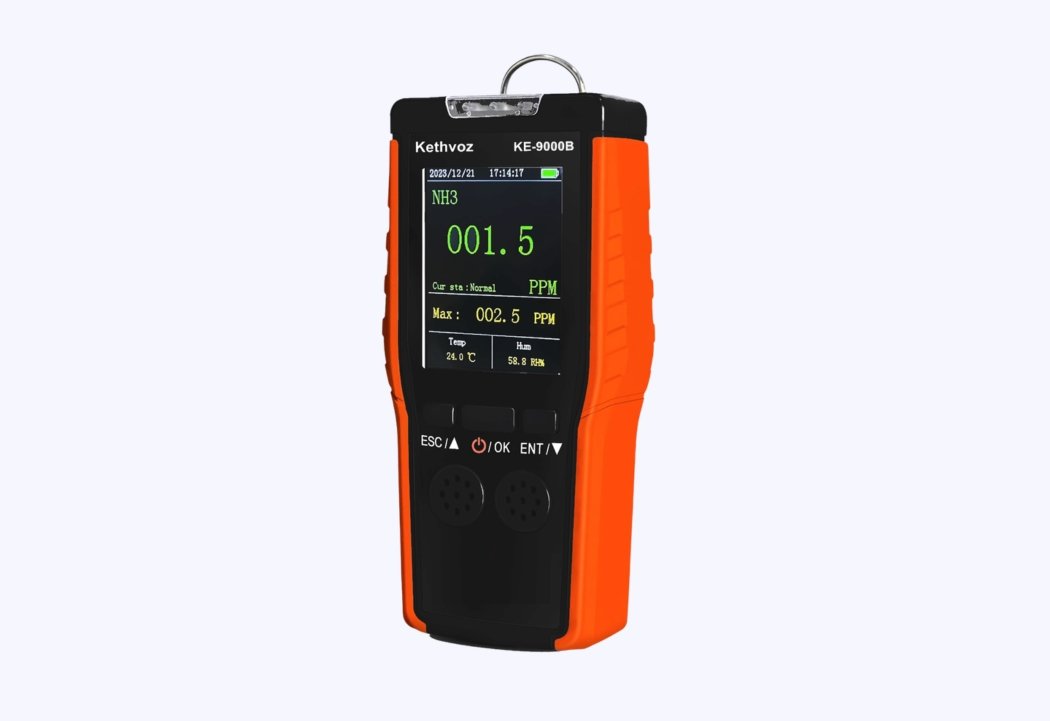
Chemical Vapour Detector
Purpose:
Screens air for Volatile Organic Compounds (TVOC/VOC) and chemical substances like formaldehyde (HCHO).
Common Uses / Notes:
Investigates unexplained chemical odours, building material off-gassing, post-flood air safety, and indoor air quality.
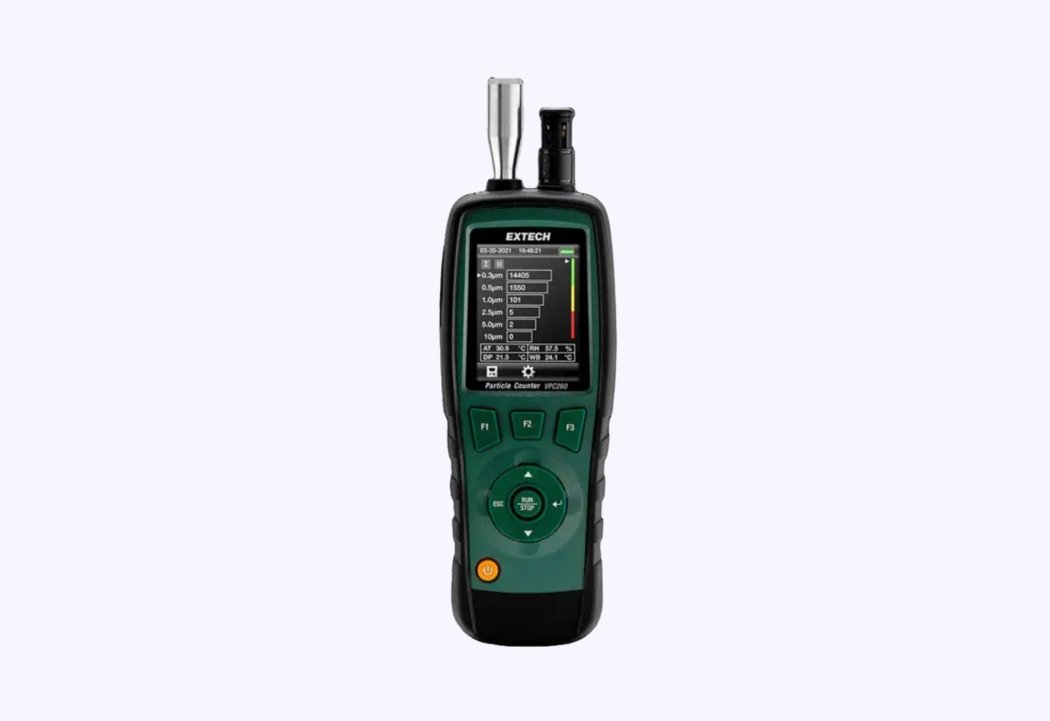
Airborne Particle Detector
Purpose:
Measures airborne particulate concentrations across precise micron size ranges (PM1.0, PM2.5, PM10).
Common Uses / Notes:
Assesses fine dust, smoke, airborne matter, and environmental air quality following water damage or mould outbreaks.
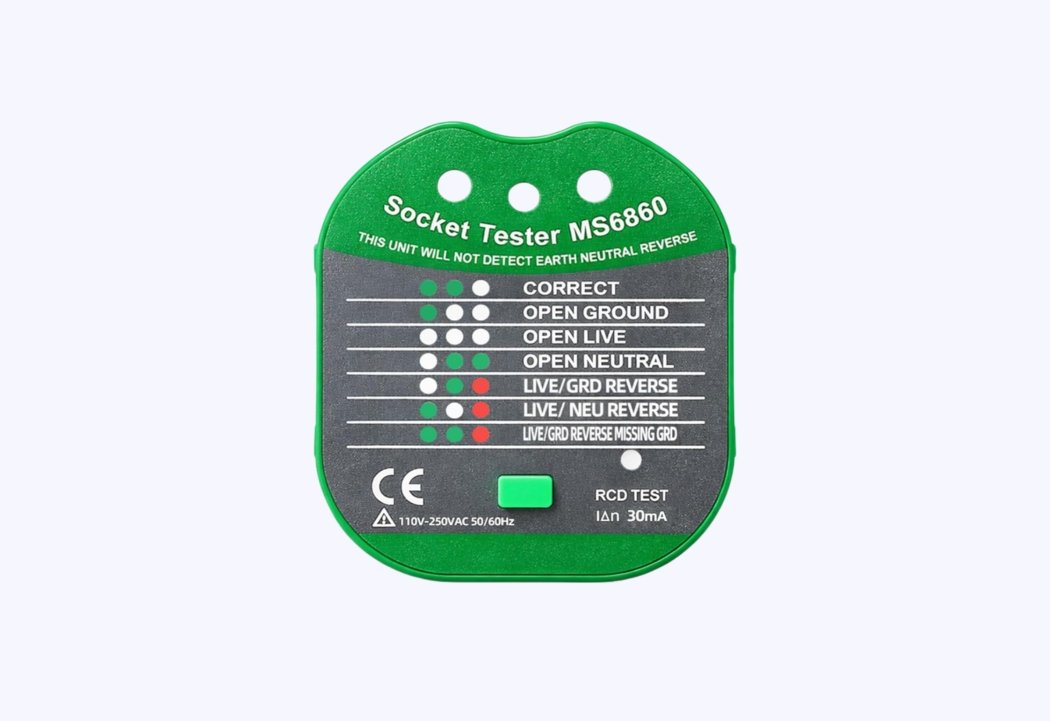
Electrical Socket & RCD Tester
Purpose:
Provides basic safety and protective circuit screening in areas affected by dampness.
Common Uses / Notes:
Identifies socket wiring faults, tests RCD trip functions, and checks AC voltage in wet areas. Does not replace an EICR.
Equipment & Inspection Levels
Select Your Survey
Level 1
Standard Damp Inspection
Standard price: £299 + VAT
Special offer: £199 + VAT (Limited Time Offer)
Level 1 is intended for customers with a relatively uncomplicated damp concern who require an inspection of accessible internal areas.
Survey equipment
- Electronic damp meter
Included checks
- Accessible wall surfaces
- Accessible flooring
- Ceilings
- Visible drains and plumbing for evidence of leaks
- Damp-prevention and information guide
Recommended for
This option is appropriate for a suspected rising-damp area, visible staining, an isolated patch or a general check using a standard moisture meter.
It does not include deep-material scanning, non-invasive subfloor moisture investigation, timber-decay checks or the advanced equipment provided under Levels 2 and 3.

Level 2
Detailed Damp & Timber Survey
Standard price: £399 + VAT
Special offer: £299 + VAT (Limited Time Offer)
Level 2 expands the basic inspection by including specialist moisture equipment and checks for timber deterioration.
Survey equipment
- Electronic damp meter
- Deep-reading moisture meter
- Non-invasive scanner
Included checks
- Walls, flooring and ceilings
- Visible plumbing and drainage leaks
- Dry-rot inspection
- Wet-rot inspection
- Woodworm inspection
- General timber assessment
- Deeper readings within suitable materials
- Non-invasive testing beneath accessible flooring and within accessible subfloor areas
- Damp-prevention and information guide
Recommended for
Level 2 is suitable when the damp may extend beyond the surface or where timber decay is suspected.
The deeper and non-invasive equipment may detect patterns within walls, beneath flooring and behind suitable finishes without unnecessary dismantling.
Homebuyers and vendors often select Level 2 when they require more information than a basic damp-meter inspection but do not need the high-level external and environmental checks provided with Level 3.
Level 3
Comprehensive Damp Survey
Standard price: £499 + VAT
Special offer: £399 + VAT (Limited Time Offer)
Our Level 3 inspection provides the broadest standard survey scope. It includes the relevant Level 1 and Level 2 checks and introduces advanced diagnostic and high-level inspection equipment.
Survey equipment
- Electronic damp meter
- Deep-penetration moisture meter
- Pinless moisture scanner
- Infrared thermal camera
- Relative humidity sensor
- HD borescope camera
- Airflow meter
- 4K inspection drone
- Electrical socket and RCD tester
Included checks
- Accessible internal walls
- Floors and ceilings
- Visible drainage and plumbing
- Woodworm
- Wet rot
- Dry rot
- Timber deterioration
- Deeper moisture readings
- Non-invasive subfloor checks where accessible
- Infrared imaging
- Indoor humidity
- Borescope examination where access is available
- External brick pointing
- Visible damp-proof course
- Extractor-fan performance
- Drone photographs and imagery where flying is possible
- Roof surfaces
- Chimneys
- Gutters
- General visible structural defects
- Limited socket and RCD testing
Recommended for
Level 3 is intended for people who want the widest standard inspection before making an important property decision.
It is especially appropriate when the concern may involve more than one mechanism—for example, internal damp combined with inadequate ventilation, a possible concealed leak or defects to the roof.
High-level components are easily overlooked during an internal-only damp inspection. Drone imagery provides an opportunity to view roof coverings, chimney details and gutters that may be responsible for water entering the building.
Roof repairs can be costly. Identifying a defect before purchasing a property may allow the buyer to obtain further advice, investigate the likely repair cost or take the information into account during negotiations.
Water entering through a roof can damage ceilings, wall finishes and structural timbers. Continued moisture can also contribute to mould and rot. Consequently, the additional cost of Level 3 may be considerably lower than the cost of an undiscovered external defect.
This option is best suited to buyers, sellers and owners seeking the most detailed evidence available within our three main survey packages.
Specialised Laboratory Testing Add-Ons
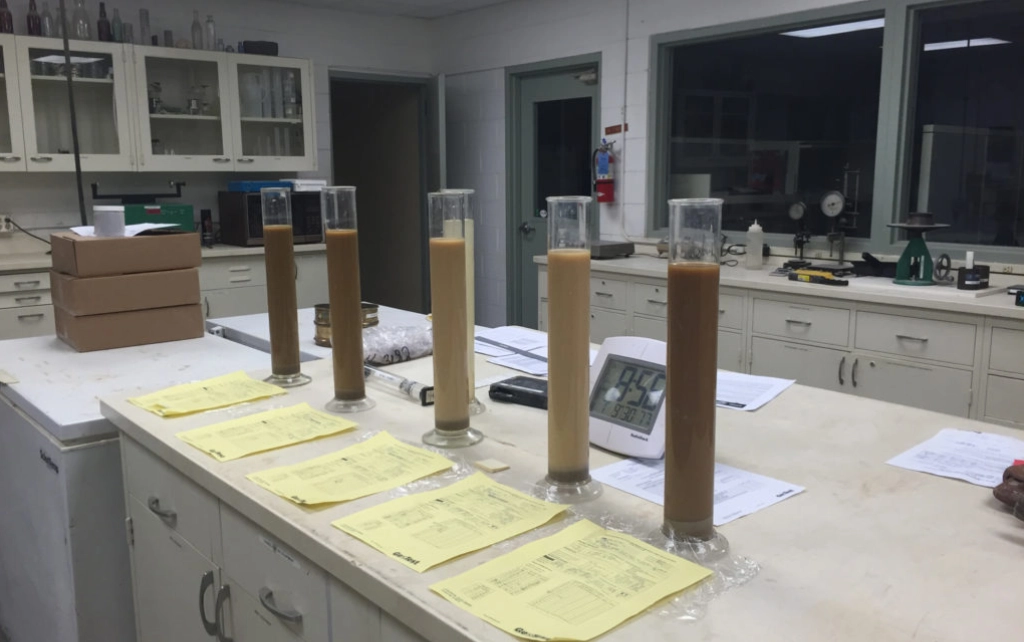
Laboratory Analysis of Plaster Samples
Price £299 + VAT
Small plaster samples are carefully taken from affected walls and submitted to an independent laboratory for salt analysis. The laboratory tests for the presence and precise concentration of hygroscopic salts, including nitrates and chlorides.
Diagnostic Value: Soluble ground salts are drawn up through masonry during rising damp and remain in plaster permanently. Salt analysis scientifically differentiates true rising damp from condensation or historic leak contamination.
Note: Plaster sampling requires minor material removal and is our only add-on involving minor invasive work.
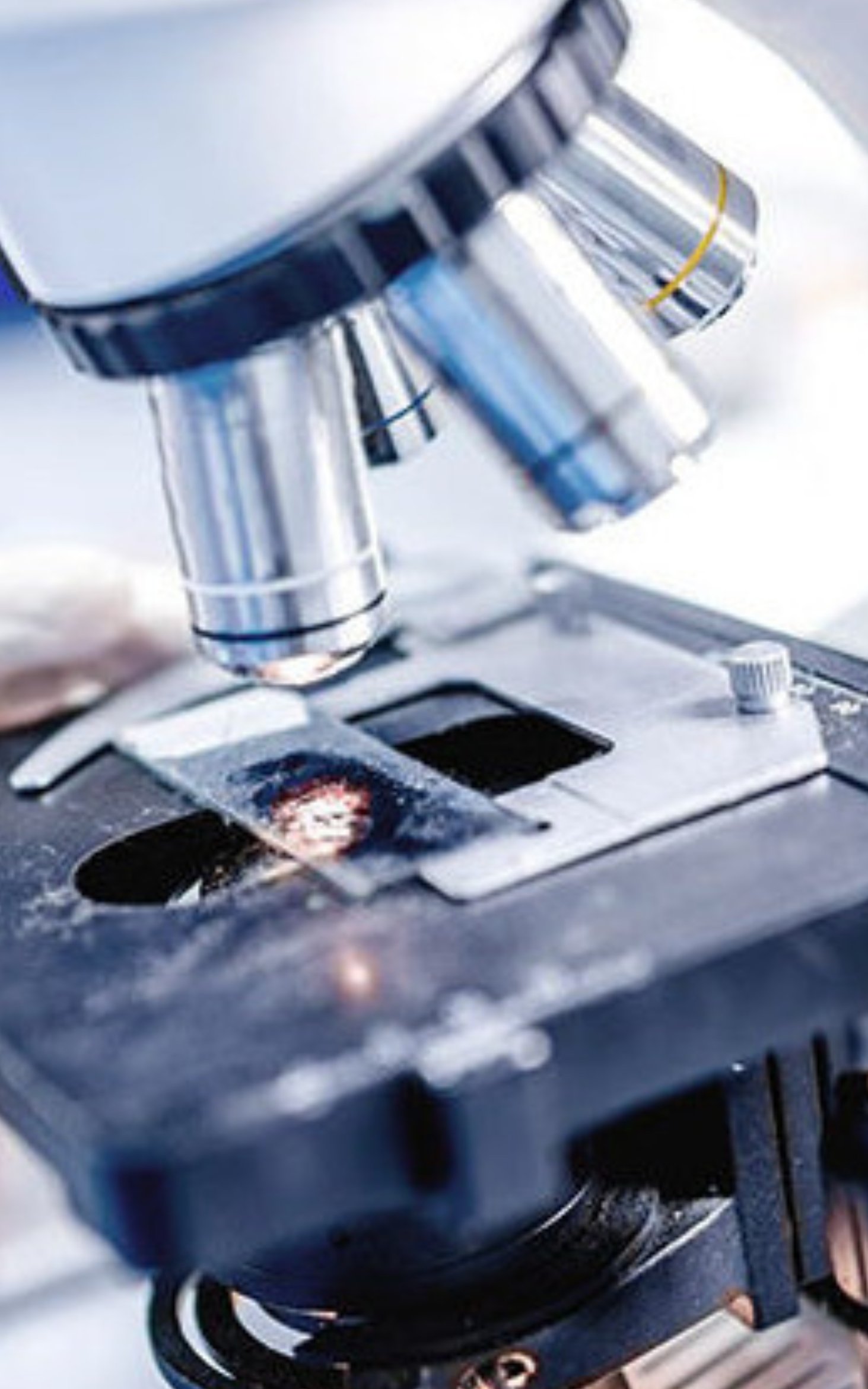
Mould Laboratory Testing & qPCR DNA Analysis
Price £299 + VAT
Surface swab or lift samples are submitted to an accredited laboratory for advanced qPCR DNA analysis.
Diagnostic Value: Accurately identifies exact mould species, measures contamination concentrations, and detects hidden fungal growth inside cupboards or behind dry lining. Delivers impartial scientific evidence to guide safe environmental remediation.
The service may be valuable where:
- A musty odour exists without obvious growth
- Previous leaks or flooding may have caused hidden contamination
- Mould is suspected behind furniture
- Cupboards or concealed areas smell damp
- Growth continues returning after cleaning
- The visible extent appears uncertain
- Independent laboratory evidence is required
Note: The findings may help establish whether the sampled contamination is relatively minor or potentially part of a wider moisture problem. Results apply to the sampled areas and do not automatically represent every room or concealed part of the building. Laboratory information is combined with inspection findings to help explain the extent and likely moisture source.
Gas, Chemical Vapour & Airborne Particle Testing
Price £299 + VAT
Comprehensive environmental air quality and gas screening tailored to specific property concerns.
Screening Suite Includes:
- General indoor-air-quality screening
- TVOC and VOC measurement
- HCHO/formaldehyde screening
- PM1.0 fine-particle readings
- PM2.5 fine-particle readings
- PM10 particle readings
- Dust and smoke assessment
- H₂S, NH₃ and
- CH₄ sewer-gas indicators
- CH₄ and C₃H₈ combustible-gas screening
- CO monitoring
- Hydrogen sulphide measurement
- Ammonia screening
- Oxygen-level measurement
- Stale-air and ventilation checks
- Drain-smell investigation
- Chemical-odour assessment
- Conditions following leaks or flooding
- Preliminary combustion-gas screening
- Building-product off-gassing check
- Airborne pollutant screening
Diagnostic Value: Identifies hidden airborne pollutants, drain odours, chemical off-gassing, and stale air problems.
Note: Indoor environmental problems sometimes continue after the visible water has dried. Damp materials, stagnant water, contaminated drains, chemicals and damaged finishes can create smells or release airborne substances that cannot be assessed visually.
The equipment may help narrow down whether an unpleasant odour is associated with drains, sewer gases, damp materials, chemical vapours or insufficient fresh-air movement. It can also record airborne fine particles after flooding, leakage or building work.
This is a screening-level assessment and should not be confused with full laboratory air analysis. It does not replace emergency procedures, gas-appliance servicing or specialist environmental-health testing.
Contact Us
If you have some questions, please complete this form:
Book and Pay for a survey
If you are ready to book a survey and pay, please complete this form: